
Registra el domicilio donde vives
Si debes inscribirte como residente, registra en el BRP (Sitio externo, se abre en una pestaña nueva) (Basisregistratie Personen, registro municipal de población) la dirección donde vives. La oposición del propietario no elimina esta obligación. Entrega al gemeente (municipio) pruebas de tu domicilio. Si te alojas con alguien, revisen cómo afecta el registro a sus ayudas. Si no tienes domicilio, pregunta por un briefadres (dirección postal).
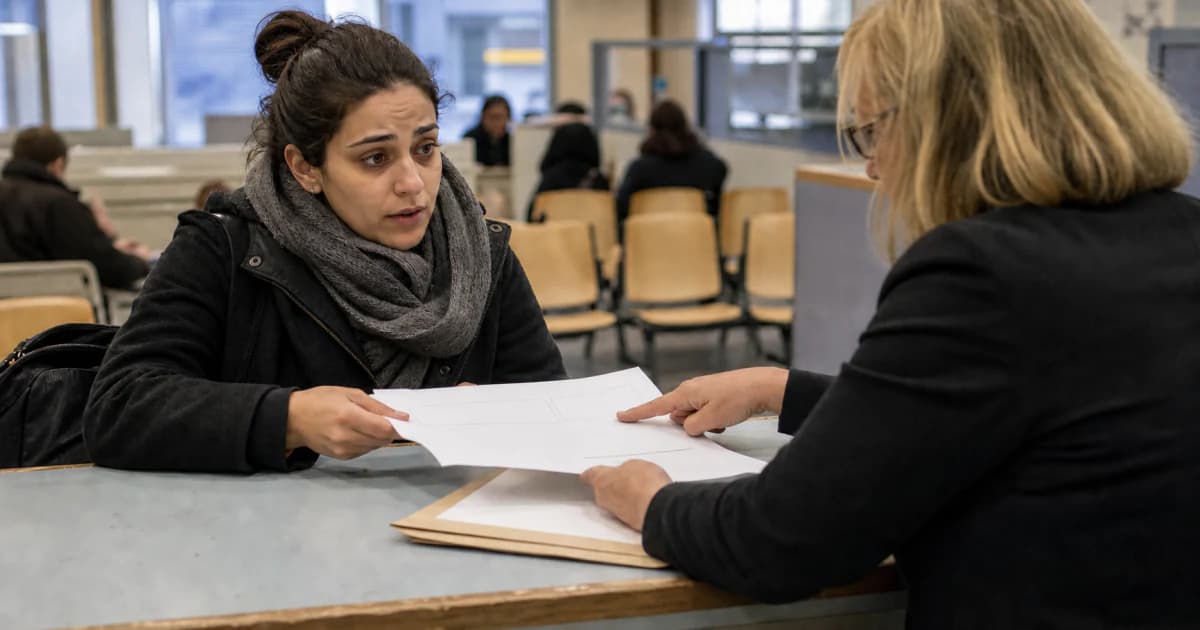
Esta guía se dirige a quienes residen legalmente en los Países Bajos y tienen problemas para registrar su domicilio. Puede ser porque el propietario se opone, porque quien los aloja teme perder ayudas o porque no tienen domicilio. Para la primera inscripción habitual y tu burgerservicenummer (BSN, número personal de identificación), usa la guía del BSN y el registro municipal. Más abajo encontrarás la opción para no residentes con estancias cortas.
¿Para qué sirve tu dirección en el BRP?
Los organismos públicos neerlandeses usan tu dirección en el BRP para saber dónde vives y enviarte correo oficial, incluidas las tarjetas para votar. Cuando el gemeente cambia la dirección, la Belastingdienst (Sitio externo, se abre en una pestaña nueva) (administración tributaria), los fondos de pensiones y las aseguradoras de salud reciben el cambio automáticamente.
Revisa tu registro en MijnOverheid (Sitio externo, se abre en una pestaña nueva) (tu cuenta de servicios públicos) con DigiD (Sitio externo, se abre en una pestaña nueva) (acceso digital a los trámites públicos). Abre Persoonlijke gegevens (datos personales). Si no puedes entrar, consulta la guía para configurar o recuperar DigiD.
Cada toeslag (ayuda pública) usa sus propias reglas para determinar quién forma parte del hogar. La huurtoeslag (ayuda para el alquiler), por ejemplo, cuenta a un medebewoner (residente en la misma dirección). La zorgtoeslag (ayuda para el seguro médico) usa reglas de pareja. La tabla de esta guía las compara con la bijstand (asistencia social). La guía general de toeslagen explica el conjunto de estas ayudas.
Los titulares de un permiso de residencia y los patrocinadores familiares deben informar al IND, en un plazo de cuatro semanas, de cambios que afecten las condiciones de residencia, como dejar de vivir juntos. Un cambio de domicilio comunicado a tiempo al municipio llega automáticamente al IND. Si lo comunicas tarde, informa tú al IND.
¿El propietario te impide registrar tu domicilio?
Debes registrar la dirección donde vives aunque el propietario se oponga. !WOON (Sitio externo, se abre en una pestaña nueva) (servicio de apoyo a inquilinos) confirma que no necesitas su permiso para hacerlo. Ofrece ayuda gratuita y confidencial en Ámsterdam y municipios cercanos.
Si prevés pasar al menos 4 meses en los Países Bajos durante los próximos 6 meses, inscríbete en persona dentro de los 5 días siguientes a tu llegada. El registro puede hacerse más tarde si estás esperando obtener el estatus de residencia que necesitas o si el gemeente debe investigar tu identidad. Pregunta qué regla corresponde a tu caso. Si te mudas dentro del país, comunica la mudanza desde 4 semanas antes hasta 5 días después de la fecha.
Si vienes de Argentina o Perú, quizá asocies una mudanza con actualizar el DNI (documento nacional de identidad). Aquí debes comunicar tu nueva dirección al gemeente dentro del plazo indicado.
Una cláusula del contrato de alquiler no elimina las obligaciones del gemeente sobre el registro. No inscribirte o registrar una dirección incorrecta puede causar una multa de hasta €325 en 2026. También puede impedir recibir la huurtoeslag para esa dirección y hacer que el correo oficial llegue a otro lugar. Una condición de «no registro» puede indicar un subarriendo ilegal u otro problema con el alquiler.
¿Por qué puede oponerse el propietario?
Estas son algunas razones posibles:
- La habitación se subarrienda sin permiso. El inquilino principal necesita permiso del propietario para subarrendarla, y el contrato puede prohibirlo.
- Otro residente teme que un adulto más afecte a su huurtoeslag o bijstand.
- El alquiler incumple una regla local. Algunos gemeenten exigen una huisvestingsvergunning (permiso de vivienda) para la vivienda social.
Estas posibilidades no prueban el motivo del propietario. Sigue vigente tu obligación de registrar la dirección donde vives.
Cómo registrar tu domicilio si el propietario no colabora
Pide al gemeente que registre tu domicilio con pruebas de dónde vives:
- Pregunta en Burgerzaken (oficina de asuntos civiles) qué documentos necesitas si el propietario no colabora.
- Presenta el contrato de alquiler y las demás pruebas que te pida el gemeente.
- Revisa en MijnOverheid la dirección que finalmente aparece en el BRP.
Si el gemeente rechaza la inscripción, pide una decisión por escrito. Así podrás revisar cómo presentar una objeción.
La página de Ámsterdam para comunicar mudanzas (Sitio externo, se abre en una pestaña nueva) muestra un ejemplo de los requisitos locales. Si te mudas a la vivienda de otra persona, pide una toestemmingsverklaring (declaración de consentimiento) firmada por quien lleva más tiempo registrado allí y una copia de su documento de identidad. Si esa persona se niega, explica al gemeente dónde y cómo vives. Puede iniciar un adresonderzoek (investigación de domicilio) para determinar tu dirección en el BRP.
El registro correcto permite a los organismos públicos evaluar las ayudas y enviar el correo al lugar adecuado. Si alquilas directamente al propietario, puedes tener protección como inquilino. La guía de contratos de alquiler explica cuándo el propietario puede terminar el alquiler.
Si vives en una habitación que te subarrienda el inquilino principal, debes salir cuando termine el alquiler principal. Si tienes que irte antes de lo acordado, quizá puedas reclamar una indemnización al inquilino principal. Pide asesoramiento sobre ese riesgo, sobre todo si falta el permiso para subarrendar.
La Wet goed verhuurderschap (Sitio externo, se abre en una pestaña nueva) (ley de buenas prácticas de los arrendadores) prohíbe intimidar al inquilino. Esto incluye amenazarte con terminar el alquiler porque registres tu domicilio. Desde el 1 de enero de 2024, cada gemeente debe tener un meldpunt goed verhuurderschap (punto de denuncias sobre arrendadores). Denunciar es gratis y el gemeente puede multar al propietario. Busca ese punto de denuncias en la web de tu gemeente.
Dónde pedir ayuda
Puedes acudir a estos servicios para resolver problemas de registro o alquiler:
- Het Juridisch Loket (Sitio externo, se abre en una pestaña nueva) (servicio de asesoramiento jurídico) ofrece asesoramiento personal gratuito a personas con ingresos bajos y pocos ahorros. Llama al 0800-8020 o acude a una oficina sin cita. Su página del BRP incluye un modelo de carta de objeción.
- El meldpunt goed verhuurderschap municipal recibe gratis denuncias de intimidación y otras conductas del propietario cubiertas por la ley.
- Un huurteam (equipo de apoyo a inquilinos) puede ayudarte con problemas locales de alquiler. !WOON ofrece asesoramiento confidencial sobre registro, contratos y renta en la región de Ámsterdam. Busca un huurteam en la web de tu gemeente y revisa sus servicios y tarifas.
- La oficina de Burgerzaken del gemeente tramita el registro y puede investigar dónde vives.
Si vives con un amigo o familiar
Registra la vivienda de tu amigo o familiar si ese es tu domicilio real. Pregunta al gemeente qué pruebas necesitas. En Ámsterdam, por ejemplo, debes presentar la declaración de consentimiento firmada por quien lleva más tiempo registrado y una copia de su documento de identidad. Antes de mudarte, revisen cada ayuda por separado.
Estas tres ayudas usan reglas distintas. La tabla indica qué revisar primero. Después encontrarás las condiciones y excepciones de cada una.
Puedes desplazar las tablas anchas horizontalmente.
| Ayuda | Posible efecto | Qué revisar primero |
|---|---|---|
| Huurtoeslag | Tus ingresos y patrimonio pueden reducir la ayuda para el alquiler de quien te aloja o hacer que deje de recibirla. | Revisa si cuentas como medebewoner o toeslagpartner (pareja para el cálculo de ayudas). |
| Bijstand | Otro adulto puede reducir la asistencia social de quien te aloja. | Consulta al gemeente la kostendelersnorm (regla de gastos compartidos), la edad y las exclusiones. |
| Zorgtoeslag | Compartir dirección afecta al cálculo si pasan a ser toeslagpartners. | Revisa si son toeslagpartners y desde cuándo cuentan los ingresos y el patrimonio. |
Quién cuenta para la huurtoeslag al compartir domicilio
Dienst Toeslagen (Sitio externo, se abre en una pestaña nueva) (organismo que gestiona las ayudas) cuenta a la mayoría de las personas registradas en la misma dirección como medebewoners. Un toeslagpartner se cuenta por separado. Si te registras el día 1, empiezas a contar desde ese día. Si lo haces otro día, cuentas desde el día 1 del mes siguiente. Quien solo usa la dirección como briefadres no cuenta como medebewoner.
También puede quedar excluido un onderhuurder (subarrendatario) real. Quien te aloja debe vivir en la vivienda y alquilarte una parte mediante un contrato. Esta excepción no sirve para un toeslagpartner, un padre, una madre o un hijo. Las reglas oficiales de subarriendo (Sitio externo, se abre en una pestaña nueva) también enumeran vínculos por adopción, familias reconstituidas y parentesco político que quedan excluidos.
Quien te aloja debe avisar por teléfono a Dienst Toeslagen del subarriendo dentro de las 4 semanas siguientes a tu inscripción. Dienst Toeslagen decide si acepta la excepción. Puede pedir el contrato de alquiler y los estados de cuenta bancarios.
Si quien te aloja alquila la vivienda, necesita permiso de su propietario para subarrendar una habitación.
Hagan una proefberekening (cálculo de prueba) con la herramienta de la guía de la huurtoeslag para revisar el efecto.
Una persona refugiada de Ucrania que alojas normalmente no cuenta como conviviente para huurtoeslag mientras tenga protección temporal en los Países Bajos. Si no tiene nacionalidad ucraniana, comprueba que siga cubierta por la protección temporal antes de aplicar esta excepción.
Cómo afecta compartir vivienda a la bijstand
La kostendelersnorm (Sitio externo, se abre en una pestaña nueva) cuenta a quienes comparten vivienda, tienen al menos 27 años y cumplen sus condiciones. Sus ingresos y patrimonio no determinan si cuentan. Desde el 1 de enero de 2023, quedan fuera las personas menores de 27 años. El gemeente también excluye a estos grupos:
- Estudiantes de un programa que puede dar derecho a financiación estudiantil o ayuda para gastos educativos.
- Estudiantes de Beroeps Begeleidende Leerweg (BBL, formación profesional combinada con trabajo).
- Inquilinos, subarrendatarios y huéspedes que pagan alojamiento, así como quienes les alquilan o los alojan y viven con ellos, cuando se aplica la excepción por alquiler comercial.
- Cuidadores informales que se mudan de forma temporal para prestar cuidados.
Si son cónyuges, pareja o forman una gezamenlijke huishouding (hogar conjunto), se aplican otras reglas. Los ingresos y el patrimonio de esa persona cuentan cuando el gemeente evalúa tu derecho a la bijstand. Antes de mudarte, pide al gemeente que paga la ayuda que confirme qué reglas corresponden a tu situación.
En 2026, el importe por persona se calcula sobre la ayuda para parejas: 70% si cuenta un adulto, 50% si cuentan dos, 43.33% si cuentan tres, 40% si cuentan cuatro y 38% si cuentan cinco. La regla también abarca hogares más grandes. Por ejemplo, si quien te aloja vive solo y te mudas con 30 años, su porcentaje puede bajar del 70% al 50%. El ejemplo supone que tú cuentas según esta regla y que no forman un hogar conjunto.
Cuándo cambia la zorgtoeslag al compartir dirección
La zorgtoeslag toma en cuenta tus ingresos y patrimonio y los de tu toeslagpartner. Compartir dirección por sí solo no los convierte en toeslagpartners. Revisa tu situación con las reglas y la herramienta oficiales sobre toeslagpartners (Sitio externo, se abre en una pestaña nueva).
Tu cónyuge o pareja registrada es tu toeslagpartner. Para otras personas que comparten dirección, basta una de estas condiciones para que sean toeslagpartners:
- Tienen un contrato notarial de convivencia.
- Tienen un hijo en común o uno reconoció al hijo del otro.
- Figuran como pareja en un plan de pensiones.
- Son copropietarios de la vivienda donde ambos viven.
- Uno tiene un hijo menor de 18 años registrado en la dirección y solo hay dos adultos registrados allí.
- Ya eran toeslagpartners el año pasado.
La condición sobre un hijo menor tiene excepciones para subarrendatarios, refugiados ucranianos alojados con alguien que no es refugiado ucraniano y au pairs con contrato. Un subarrendatario sigue sujeto a las demás condiciones para ser toeslagpartner.
Desde enero de 2025, un progenitor y su hijo que viven juntos ya no son toeslagpartners. Esto también incluye relaciones con padrastros, madrastras e hijos en acogida.
La condición de toeslagpartner empieza el día 1 del mes siguiente al cambio que la origina. Si el cambio ocurre el día 1, empieza ese mismo día. Si pasan a ser toeslagpartners después del 1 de enero, el patrimonio de la nueva pareja cuenta desde el 1 de enero del año siguiente. Revisa los límites de ingresos y patrimonio del año correspondiente.
Cuándo puedes usar un briefadres
Un briefadres (Sitio externo, se abre en una pestaña nueva) te permite recibir correo oficial cuando no tienes domicilio. También pueden usarlo algunas personas que viven en instituciones. Las reglas oficiales del briefadres (Sitio externo, se abre en una pestaña nueva) incluyen motivos de seguridad. El gemeente decide si cumples los requisitos.
Puede ofrecer un briefadres una persona inscrita en el BRP con un domicilio, o una institución designada por el gemeente. Si te lo ofrece una persona, se usa la dirección de su vivienda registrada. El briefadres debe estar en los Países Bajos y no puede ser un apartado postal. Quien te lo ofrece debe entregarte el correo oficial y el gemeente debe poder contactarte.
La página de Ámsterdam sobre el briefadres (Sitio externo, se abre en una pestaña nueva) incluye no tener hogar o estar thuisloos (sin vivienda estable), y pasar un periodo corto entre dos viviendas. Otro caso es no tener un lugar fijo por tu profesión, como un capitán de una embarcación de navegación interior. También enumera una estancia en el extranjero de hasta 8 meses sin domicilio neerlandés, un refugio por violencia doméstica, una institución de cuidados o una prisión.
Pide a tu gemeente que evalúe tu situación. Si vas a estar en el extranjero, también se aplica la regla nacional de salida: si prevés pasar al menos 8 meses fuera de los Países Bajos en un año, debes comunicar la salida en lugar de mantener el registro como residente.
Si no tienes domicilio ni encuentras un briefadresgever (persona o entidad que ofrece una dirección postal), el gemeente debe proporcionarte un briefadres. Esta obligación existe desde el 1 de enero de 2022. Puede usar el gemeentehuis (edificio municipal). Aun así, debes cumplir los requisitos legales y facilitar la información que te pida.
Cómo solicitar un briefadres
Para solicitar un briefadres, sigue estos pasos:
- Pide a Burgerzaken del gemeente donde está el briefadres el formulario y la lista de documentos. Si no encuentras a nadie que te ofrezca una dirección, pregunta por la dirección del propio gemeente.
- Presenta tu documento de identidad, el consentimiento escrito y firmado de quien ofrece la dirección y su documento de identidad o una copia, si hay alguien que te la ofrezca. Indica el motivo, la fecha de inicio y la duración prevista.
- Responde si te piden más información.
- Mantén el contacto con quien ofrece la dirección para recibir el correo oficial.
Si constas en el registro como usuario de la dirección solo para recibir correo, no cuentas como medebewoner para la huurtoeslag de quien te la ofrece. Revisa por separado cualquier otra ayuda.
No puedes sustituir el domicilio de la habitación donde vives por un briefadres solo porque el propietario se oponga al registro. Si vives en varias direcciones, el gemeente revisa dónde prevés pasar más noches en los próximos 6 meses. Si no hay un domicilio que cumpla esa condición, comprueba además si prevés pasar al menos dos tercios de las noches en una dirección durante 3 meses. Pídele que determine tu domicilio. Registrar una dirección incorrecta puede causar una multa de hasta €325 en 2026; en Ámsterdam es de €240 a €325. También puede afectar a las ayudas de la dirección prestada.
El Registratie Niet-Ingezetenen (Sitio externo, se abre en una pestaña nueva) (RNI, registro de no residentes) sirve a quienes viven en el extranjero o se quedan en los Países Bajos menos de 4 meses. Si eres residente y no tienes domicilio, necesitas la opción del briefadres. La guía del BSN y el registro municipal enlazada arriba explica el RNI y la primera inscripción.
Cómo responder a un adresonderzoek
El gemeente realiza un adresonderzoek para determinar qué dirección debe figurar en el BRP. Puede iniciarlo por sus propias comprobaciones o por un aviso de otro organismo público o de un residente. También puedes solicitarlo si alguien está registrado en tu dirección y vive en otra parte. El gemeente puede contactarte por correo postal, teléfono, correo electrónico, redes sociales o una visita a tu vivienda.
Si el gemeente te contacta, sigue estos pasos:
- Lee qué pruebas pide el gemeente y qué fecha límite indica su carta.
- Envía las pruebas solicitadas y, si te mudaste, tu dirección actual.
- Revisa la decisión del gemeente.
- Si la decisión es incorrecta, presenta un bezwaar (objeción) dentro de 6 semanas.
El gemeente puede pedirte el contrato de alquiler, una factura de energía o registros de tus desplazamientos. No entregar la información solicitada puede causar una multa.
El gemeente solo puede registrarte como vertrokken onbekend waarheen (VOW, salida con destino desconocido) si se cumplen tres condiciones: no logra contactarte, no recibió un aviso de mudanza o salida y no puede determinar dónde estás tras una investigación completa. En ese caso, pierdes el registro como residente. Pueden interrumpirse los pagos de toeslagen, kinderbijslag (ayuda por hijo), bijstand o WW (Werkloosheidswet, prestación por desempleo). El seguro médico y DigiD pueden dejar de funcionar. También pueden bloquearse las solicitudes de pasaporte, documento de identidad o licencia de conducir.
Qué multas o interrupciones de servicios pueden producirse
Una multa y la pérdida de servicios son dos consecuencias posibles y distintas. Ninguna ocurre automáticamente en todos los casos. La tabla muestra los problemas de registro que pueden causarlas. Corrige el registro y presenta una objeción dentro de 6 semanas si la decisión del gemeente es incorrecta.
Puedes desplazar las tablas anchas horizontalmente.
| Situación | Posible consecuencia |
|---|---|
| No cumplir el plazo de 5 días desde la llegada cuando debes inscribirte como residente | Una multa de hasta €325 en 2026. Las excepciones sobre estatus de residencia e investigación de identidad pueden cambiar cuándo debes inscribirte. |
| Comunicar una mudanza más de 5 días después de mudarte | Una multa de hasta €325 en 2026. La fecha en que el gemeente recibe tu aviso pasa a ser la fecha oficial de la mudanza. |
| Registrar una dirección donde no vives o permitir a sabiendas que alguien lo haga en tu domicilio | Una multa de hasta €325 en 2026; en Ámsterdam es de €240 a €325. El gemeente puede investigar y corregir el registro. |
| No figurar como residente, incluida la baja tras una decisión VOW | Las ayudas, el seguro médico y DigiD pueden interrumpirse. También pueden bloquearse las solicitudes de pasaporte, documento de identidad o licencia de conducir. |
Qué hacer ante los problemas más frecuentes
El siguiente paso depende de si el problema es el alquiler, las ayudas, la baja del registro o la falta de pruebas.
El propietario amenaza con terminar el alquiler
Guarda una copia de la amenaza. La Wet goed verhuurderschap prohíbe la intimidación. Denúnciala en el punto municipal y pide a Het Juridisch Loket o a un huurteam local que revise tu contrato. El contrato determina si el propietario puede terminar el alquiler. No firmes una promesa de seguir sin inscribirte. Si subarriendas una habitación, pregunta por el riesgo de perderla cuando termine el alquiler principal.
Quien te aloja teme perder sus ayudas
Revisen cada ayuda con la tabla y las excepciones anteriores. El alquiler debe reflejar cómo viven y cómo pagas. Si quien te aloja alquila la vivienda, necesita permiso de su propietario para subarrendar una habitación. Si vives allí, registra ese domicilio; seguir sin inscribirte puede causar una multa de hasta €325 en 2026. Si no tienes domicilio, pregunta por un briefadres. Este registro postal no te cuenta como medebewoner para la huurtoeslag de quien ofrece la dirección.
El municipio te dio de baja del registro
Contacta con Burgerzaken. Presenta tu documento de identidad y pruebas de dónde vives. Pregunta cómo recuperar el registro como residente en tu dirección actual. Si no tienes domicilio, pide un briefadres y entrega los datos necesarios para que evalúen si cumples los requisitos. Si la decisión fue incorrecta, presenta una objeción dentro de 6 semanas. Después de volver a inscribirte, contacta con Dienst Toeslagen y tu aseguradora de salud. Revisa si deben corregir las ayudas o el seguro.
Si la baja también bloquea tu cuenta de inburgering (integración cívica), la guía sobre problemas de DigiD en Mijn Inburgering (tu cuenta de integración) explica las opciones para entrar y los formularios oficiales en papel.
No tienes pruebas de dónde vives
Pregunta al gemeente qué pruebas puede aceptar. En un adresonderzoek puede pedirte el contrato de alquiler, una factura de energía o registros de tus desplazamientos. Si alquilas de manera informal, guarda pruebas desde el principio:
- Pide un contrato de alquiler por escrito.
- Paga por transferencia bancaria. Escribe huur (alquiler) y la dirección en el concepto del pago.
- Si puedes, contrata la energía o internet a tu nombre. La guía de servicios de la vivienda explica los pasos.
- Guarda el correo que recibas a tu nombre en esa vivienda.
El gemeente evalúa las pruebas y decide qué dirección debe figurar en el BRP.
Si buscas otra vivienda, la guía para encontrar un alquiler explica qué revisar antes de firmar, incluidas las condiciones sobre el registro de domicilio. La guía sobre estafas de alquiler trata los posibles fraudes.
Para conocer los importes de las ayudas y todos sus requisitos, consulta la guía de la huurtoeslag y la guía general de toeslagen enlazadas arriba.
Si vives en una dirección, pide a Burgerzaken que confirme o corrija ese registro. Si no tienes domicilio, pide que evalúe un briefadres. Si no estás de acuerdo con una decisión, sigue las instrucciones para presentar una objeción y el plazo de 6 semanas de la carta.
- Autor
- Por Inburgering.org team
- Revisor
- Revisado por Kirill Svavolia
Fuentes oficiales
- Rijksoverheid (Gobierno central neerlandés): Wanneer moet ik mij in de BRP laten inschrijven? (Sitio externo, se abre en una pestaña nueva) - El registro como residente en el domicilio real, el plazo de 5 días desde la llegada, las excepciones por un estatus de residencia pendiente o una investigación de identidad y la opción del briefadres.
- Het Juridisch Loket: Inschrijven in de Basisregistratie Personen (Sitio externo, se abre en una pestaña nueva) - La multa máxima de €325 por un registro tardío, ausente o incorrecto; el plazo para comunicar una mudanza, desde 4 semanas antes hasta 5 días después; cómo se realiza un adresonderzoek y las pruebas que puede pedir el gemeente; la baja como VOW y sus consecuencias para las toeslagen, la kinderbijslag y otras prestaciones, el seguro médico, las solicitudes de pasaporte, documento de identidad o licencia de conducir y DigiD; el plazo de 6 semanas para presentar una objeción; el briefadres a través de familiares, una institución o el gemeente; y la línea telefónica gratuita de asesoramiento para personas con ingresos bajos.
- Rijksoverheid: Adresonderzoek om adresgegevens te verbeteren (Sitio externo, se abre en una pestaña nueva) - Los avisos de organismos como la Belastingdienst sobre posibles errores de domicilio, las investigaciones y visitas municipales y el riesgo de perder la huurtoeslag por residentes registrados que no viven allí.
- Gemeente Amsterdam: Boete bij verkeerde informatie in registratie (Sitio externo, se abre en una pestaña nueva) - Las multas de €240 a €325 por datos incorrectos en el BRP, como no comunicar una mudanza o permitir que alguien registre un domicilio donde no vive.
- Gemeente Amsterdam: Verhuizing binnen of naar Amsterdam doorgeven (Sitio externo, se abre en una pestaña nueva) - El plazo de Ámsterdam para comunicar una mudanza, desde 4 semanas antes hasta 5 días después. Cuando te mudas a la vivienda de otra persona, debes presentar el consentimiento y el documento de identidad de quien lleva más tiempo registrado allí. También explica el envío automático del cambio a las autoridades fiscales, los fondos de pensiones y las aseguradoras de salud.
- Rijksoverheid: Kan ik mijzelf laten inschrijven op een briefadres? (Sitio externo, se abre en una pestaña nueva) - Qué es un briefadres, quién puede ofrecerlo, los documentos para solicitarlo (tu documento de identidad, el consentimiento escrito y firmado de quien ofrece la dirección y una copia de su documento de identidad), la prohibición de usar un apartado postal y la obligación municipal, desde el 1 de enero de 2022, de proporcionar uno cuando no encuentras a alguien que te lo ofrezca.
- Gemeente Amsterdam: Briefadres aanvragen (Sitio externo, se abre en una pestaña nueva) - Ejemplos de Ámsterdam: no tener hogar, un periodo corto entre dos viviendas, no tener un lugar fijo por la profesión, como capitán de una embarcación de navegación interior, una estancia en el extranjero de hasta 8 meses sin domicilio neerlandés y vivir en un refugio por violencia doméstica, una institución de cuidados o una prisión.
- Dienst Toeslagen: Wie telt als medebewoner voor de huurtoeslag? (Sitio externo, se abre en una pestaña nueva) - Quién cuenta como residente en la misma dirección para la huurtoeslag, desde cuándo y las excepciones para subarrendatarios y personas que solo usan una dirección postal.
- Dienst Toeslagen: Toeslagpartner voor de toeslagen (Sitio externo, se abre en una pestaña nueva) - Las condiciones para ser toeslagpartners, las excepciones de la regla sobre hijos menores, la exclusión de progenitores e hijos desde enero de 2025 y el inicio del cómputo de ingresos y patrimonio de la pareja.
- Dienst Toeslagen: Kan ik zorgtoeslag krijgen? (Sitio externo, se abre en una pestaña nueva) - La zorgtoeslag solo toma en cuenta tus ingresos y patrimonio y los de tu toeslagpartner.
- Rijksoverheid: Wat is de kostendelersnorm in de bijstand? (Sitio externo, se abre en una pestaña nueva) - La regla para quienes comparten vivienda y tienen al menos 27 años, las excepciones para estudiantes, alquileres comerciales y cuidadores informales que se mudan temporalmente a la vivienda para prestar cuidados, las reglas de pareja y los porcentajes por persona: 70%, 50%, 43.33%, 40% y 38%.
- Rijksoverheid: Welke regels gelden voor verhuurders en verhuurbemiddelaars? (Sitio externo, se abre en una pestaña nueva) - La prohibición de intimidar, por ejemplo amenazando con terminar el alquiler, el punto municipal para denunciar conductas del propietario y la facultad del gemeente de imponer multas.
- Het Juridisch Loket: Wat zijn mijn rechten als onderhuurder? (Sitio externo, se abre en una pestaña nueva) - El permiso que el inquilino principal debe obtener del propietario para subarrendar, las posibles prohibiciones del contrato, la salida del subarrendatario de una habitación al terminar el alquiler principal, las posibles indemnizaciones y los contratos escritos.
- Rijksoverheid: Kom ik in aanmerking voor een sociale huurwoning? (Sitio externo, se abre en una pestaña nueva) - En algunos municipios hace falta una huisvestingsvergunning, que se solicita al gemeente.
- !WOON: Information and advice for tenants (English) (Sitio externo, se abre en una pestaña nueva) - El apoyo gratuito y confidencial a inquilinos en Ámsterdam y municipios cercanos, incluida la confirmación de que no necesitas permiso del propietario para registrar tu domicilio.
- MijnOverheid (Sitio externo, se abre en una pestaña nueva) - El portal donde consultas tu registro en el BRP y recibes correo oficial en formato digital con DigiD.
- Rijksoverheid: Hoe kan ik mijn verhuizing doorgeven aan de gemeente? (Sitio externo, se abre en una pestaña nueva) - Los plazos para comunicar una mudanza. Si la comunicas tarde, la fecha en que el gemeente recibe el aviso pasa a ser la fecha oficial de la mudanza.
- RvIG (oficina nacional de datos de identidad): Veelgestelde vragen Briefadres (Sitio externo, se abre en una pestaña nueva) - Las excepciones por vivir en una institución o por seguridad, las obligaciones de quien ofrece la dirección, la solicitud, las reglas para quienes viven en varias direcciones y la obligación municipal desde el 1 de enero de 2022, siempre que cumplas los requisitos.
- RvIG: Registratie Niet-Ingezetenen (Sitio externo, se abre en una pestaña nueva) - El registro de no residentes para personas que viven en el extranjero o se quedan en los Países Bajos menos de 4 meses.
- Dienst Toeslagen: Telt mijn onderhuurder mee voor de huurtoeslag? (Sitio externo, se abre en una pestaña nueva) - Los requisitos de la excepción para subarrendatarios, los vínculos familiares excluidos, el plazo de 4 semanas para avisar y las pruebas que puede pedir Dienst Toeslagen.
- Het Juridisch Loket: Contact voor gratis juridisch advies (Sitio externo, se abre en una pestaña nueva) - El asesoramiento personal para personas con ingresos bajos y pocos ahorros, el teléfono 0800-8020 y las oficinas a las que puedes acudir sin cita.
- Staatsblad (boletín de leyes y decretos) 2013, 315: Wet basisregistratie personen (ley del registro de datos personales) (Sitio externo, se abre en una pestaña nueva) - Los artículos 1.1, 2.38 a 2.42 y 4.17: domicilio, estancia de al menos 4 meses en medio año, registro presencial, plazos, excepciones del briefadres y multa máxima de €325.
- Staatsblad 2021, 396: Wijziging Wet basisregistratie personen (Sitio externo, se abre en una pestaña nueva) - Los artículos 2.23 y 2.43: el briefadres municipal cuando no hay domicilio ni una persona que acepte ofrecer su dirección, y el aviso de salida por pasar al menos 8 meses fuera del país en un año.
- Staatsblad 2024, 391: Verzamelwet BZK 20XX (ley de cambios en normas del Ministerio del Interior y de Relaciones del Reino) (Sitio externo, se abre en una pestaña nueva) - El artículo XVII actualiza la redacción de la multa máxima del BRP de €325 sin cambiar su importe.
- Staatsblad 2023, 103: Wet goed verhuurderschap (Sitio externo, se abre en una pestaña nueva) - La prohibición de intimidar, el punto municipal de denuncias y las facultades para hacer cumplir la ley.
- Staatsblad 2023, 193: Gegevensverwerking bij goed verhuurderschap (Sitio externo, se abre en una pestaña nueva) - Las reglas oficiales sobre el tratamiento de datos en el punto de denuncias, incluida la posibilidad de denunciar gratis y de forma anónima.
- Rijksoverheid: Een breed offensief (Sitio externo, se abre en una pestaña nueva) - La exclusión de las personas menores de 27 años de la kostendelersnorm desde el 1 de enero de 2023.
- Stroomopwaarts (servicio de apoyo al empleo y los ingresos): Kostendelersnorm (Sitio externo, se abre en una pestaña nueva) - La ayuda para parejas como base del 100% al calcular los porcentajes de la regla de gastos compartidos.
- DigiD: Home English (Sitio externo, se abre en una pestaña nueva) - El servicio oficial de acceso digital a los trámites públicos.
- Rijksoverheid: Meldpunt goed verhuurderschap vanaf 1 januari 2024 (Sitio externo, se abre en una pestaña nueva) - La obligación de todos los municipios de tener un punto de denuncias sobre propietarios desde el 1 de enero de 2024.
- Inburgeren.nl (portal oficial sobre integración cívica): Registering for an exam (Sitio externo, se abre en una pestaña nueva) - Los formularios oficiales para inscribirte en un examen cuando no puedes entrar en Mijn Inburgering.
- Gemeente Amsterdam: Toestemming inwoningadres (Sitio externo, se abre en una pestaña nueva) - El propietario o la persona que lleva más tiempo registrada debe completar y firmar la declaración de consentimiento.
- IND: Obligations foreign national and sponsor of family member (Sitio externo, se abre en una pestaña nueva) - Los titulares de un permiso de residencia y los patrocinadores familiares deben informar al IND, en un plazo de cuatro semanas, de cambios que afecten las condiciones de residencia, como dejar de vivir juntos. Un cambio de domicilio comunicado a tiempo al municipio llega automáticamente al IND. Si lo comunicas tarde, informa tú al IND.
- Argentina.gob.ar: Requisitos para trámites de DNI o Pasaporte (Sitio externo, se abre en una pestaña nueva) - En Argentina, el cambio de domicilio puede tramitarse mediante un nuevo ejemplar del DNI.
- RENIEC: RENIEC RECOMIENDA: ACTUALICE LOS DATOS DE SU DNI (Sitio externo, se abre en una pestaña nueva) - En Perú, el cambio de domicilio debe actualizarse en el DNI; respalda la comparación con el trámite municipal neerlandés.