
BSN присваивают автоматически при регистрации
BSN (Внешний сайт, откроется в новой вкладке) (номер для государственных услуг) присваивают автоматически при регистрации. Для регистрации по месту проживания нужно иметь право жить в Нидерландах и планировать пребывание не менее 4 месяцев за период 6 месяцев. В стандартном порядке зарегистрируйтесь в своей gemeente (муниципалитете) (Внешний сайт, откроется в новой вкладке) в течение 5 дней после приезда. Если BSN нужен для более короткого пребывания, можно обратиться в пункт RNI (реестр нерезидентов) (Внешний сайт, откроется в новой вкладке). В 2026 году оба вида регистрации бесплатны.
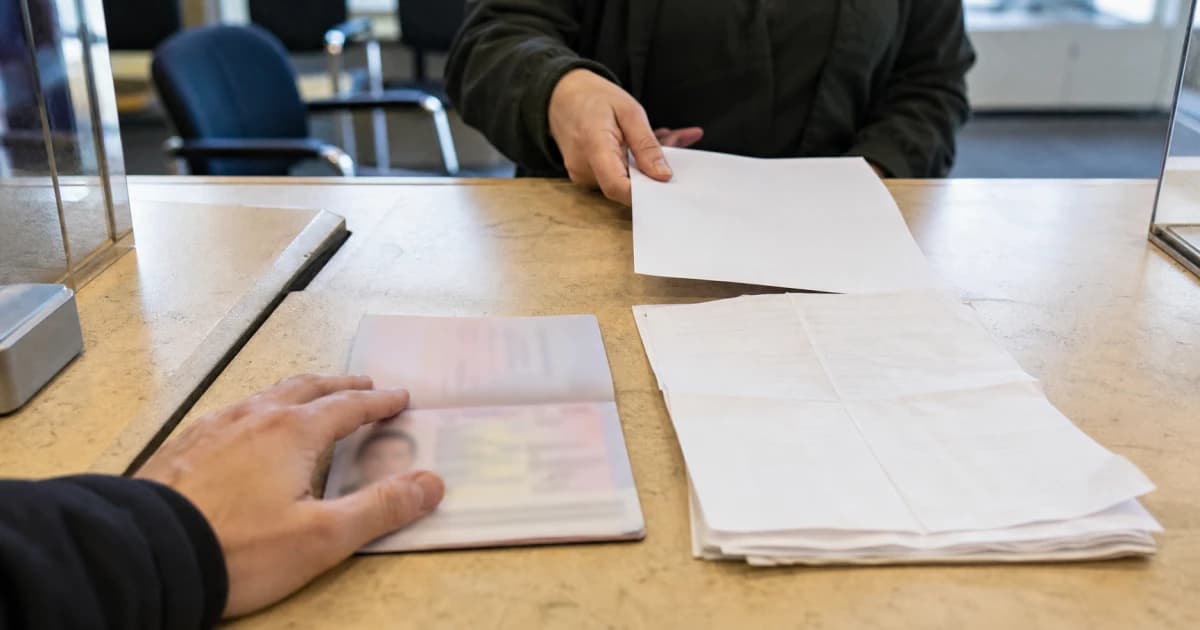
Это руководство поможет тем, кто переезжает в Нидерланды, в том числе с партнёром и детьми, или приезжает ненадолго и нуждается в BSN.
Для чего нужен BSN?
Государственные органы используют BSN для обработки ваших персональных данных и обмена ими. Этот номер также используют медицинские организации, медицинские страховые компании, школы и налоговая служба. Без BSN нельзя подать заявку на DigiD (цифровое удостоверение личности) (Внешний сайт, откроется в новой вкладке) — защищённый способ входа в государственные онлайн-сервисы.
Государственные письма в электронном виде можно получать через MijnOverheid (личный кабинет государственных услуг) и Berichtenbox (ящик сообщений) (Внешний сайт, откроется в новой вкладке). Настройте их по руководству по MijnOverheid и Berichtenbox.
Если вы не знаете, обязаны ли проходить inburgering (гражданскую интеграцию), проверьте кому нужна интеграция в Нидерландах.
Как зарегистрироваться в BRP?
Зарегистрироваться по месту проживания нужно, если у вас есть право жить в Нидерландах и вы планируете провести здесь не менее 4 месяцев за период 6 месяцев. Обратитесь в gemeente по месту фактического проживания. Это правило установлено в Wet basisregistratie personen (Внешний сайт, откроется в новой вкладке).
Для людей с дипломатическим статусом, сотрудников NAVO (НАТО, Организации Североатлантического договора) (Внешний сайт, откроется в новой вкладке) и их семей, а также жителей центров приёма просителей убежища могут действовать особые правила. Уточните в gemeente, как зарегистрироваться в вашей ситуации.
Если у вас пока нет действующего права на проживание и заявление на необходимый вид на жительство ещё рассматривают, с регистрацией можно подождать. Если gemeente проверяет вашу личность, можно дождаться её решения. Уточните, какое правило действует для вас. Эти исключения из срока 5 дней перечислены в инструкции Rijksoverheid (центрального правительства Нидерландов) (Внешний сайт, откроется в новой вкладке).
Если вы не можете прийти из-за состояния здоровья или заключения, зарегистрировать вас может другой человек. Спросите gemeente, кто вправе это сделать и какие подтверждения нужны. Правила объясняет RvIG (Национальная служба идентификационных данных) (Внешний сайт, откроется в новой вкладке).
За ребёнка младше 16 лет заявление о проживании подаёт родитель, опекун или человек, который о нём заботится. Они же подают заявление за подростка 16 или 17 лет, если он живёт с ними и не подаёт заявление сам. Gemeente может потребовать, чтобы ребёнок, за которого подают заявление, пришёл лично для подтверждения личности. Если вы подаёте заявление о проживании за себя, нужно прийти лично, кроме случаев, когда закон допускает исключение. Уточните в gemeente, кому из семьи нужно прийти на приём. Каждому нужен действующий документ, удостоверяющий личность.
Ожидание приёма в gemeente может быть долгим. Свяжитесь с муниципалитетом заранее, до поездки. Уточните список документов для каждого члена семьи, затем действуйте по порядку:
- Запишитесь на регистрацию в своей gemeente.
- Подготовьте документы по её списку.
- Придите лично в течение 5 дней после приезда.
Gemeente внесёт ваши данные в BRP (реестр персональных данных). Если BSN уже есть, он останется прежним. Получение нового BSN может занять несколько недель: срок зависит от муниципалитета.
Если вы привыкли к ИНН в России или ИИН в Казахстане, BSN похож на них тем, что уже присвоенный номер сохраняется. При повторной регистрации в Нидерландах новый BSN получать не нужно.
Например, если вы переезжаете из-за границы на 6 месяцев, нужна регистрация по месту проживания. Если приезжаете работать на 2 месяца и вам нужен BSN, подойдёт регистрация в RNI.
Если у вас временная защита для перемещённых лиц из Украины и вам не меньше 14 лет, получите подтверждение проживания в IND в течение четырёх недель после регистрации в муниципалитете. Запишитесь на приём. В день приёма с регистрации должна пройти как минимум одна неделя.
После проверки подходящие под условия просители убежища, находящиеся здесь более шести месяцев, обладатели ВНЖ по убежищу и прибывшие по воссоединению семьи с получателем убежища автоматически получают запись в специализированный центр регистрации BRP. Дождитесь этой записи. Не записывайтесь самостоятельно через центр, IND или национальный координационный пункт.
Какие документы взять на приём?
Списки документов различаются, поэтому проверьте требования своей gemeente. В общенациональном списке для переезда (Внешний сайт, откроется в новой вкладке) указаны документы ниже. Подготовьте подтверждения личности и адреса, а также всё, что требуется в вашей ситуации:
- Действующий документ, удостоверяющий личность.
- Подтверждение проживания по адресу: договор аренды, договор купли-продажи или письменное разрешение основного жильца.
- Документ о праве на проживание, если gemeente требует его в вашей ситуации.
- Документы о семейном положении, если их запросит gemeente: например, свидетельства о рождении, браке или разводе.
- Подтверждение снятия с регистрационного учёта, если вы приезжаете из Арубы, Кюрасао, Синт-Мартена, Бонайре, Синт-Эстатиуса или Сабы. Gemeente может запросить его и при переезде из другой страны.
В общенациональном списке приведены примеры: паспорт, водительское удостоверение, нидерландская ID-карта или удостоверение личности иностранца. Спросите свою gemeente, какой документ она примет при вашей регистрации.
Как подготовить иностранные документы?
Прежде чем gemeente сможет использовать иностранный документ, может потребоваться legalisatie (проверка официальных подписей и печатей). Если она нужна, оформите её в стране выдачи документа. До поездки проверьте официальные правила для этой страны (Внешний сайт, откроется в новой вкладке).
Документ на языке, отличном от нидерландского, английского, французского или немецкого, нужно перевести у присяжного переводчика. Перевод, сделанный в Нидерландах, не требует легализации. Если перевод сделан за границей, его тоже может потребоваться легализовать. Проверьте правила для страны выдачи.
Apostille (апостиль) — это наклейка или штамп, который подтверждает подлинность подписи на документе. Если Нидерланды принимают такой апостиль, дальнейшая легализация не нужна. Апостили из Бангладеш и Пакистана здесь не принимают. Альтернативный порядок легализации указан в официальном списке стран (Внешний сайт, откроется в новой вкладке). Для многих документов из другой страны ЕС (Европейского союза) апостиль не требуется. Проверьте требования именно для вашей страны и документа.
Если вы выполняете остальные условия регистрации и не можете предоставить нужные иностранные свидетельства в течение нескольких дней, муниципалитет обязан зарегистрировать вас по наиболее надёжным имеющимся доказательствам. Договоритесь о сроке подачи недостающих документов. Некоторые сведения о семье могут остаться незаписанными до получения подходящих доказательств.
Как зарегистрироваться, если приезжаете менее чем на 4 месяца?
Если BSN нужен для пребывания менее 4 месяцев, например для короткой поездки по работе или на учёбу, можно зарегистрироваться в RNI. Этот вариант доступен и тем, кто живёт за границей, но обращается в нидерландские государственные органы. Регистрация в RNI добровольная и в 2026 году бесплатная.
Выбирайте пункт RNI по гражданству, а не по языку общения. В 2026 году действуют такие варианты:
- Гражданство Нидерландов, другой страны ЕС, Норвегии, Исландии, Лихтенштейна или Швейцарии: любой из 19 пунктов RNI.
- Другое гражданство: только пункты RNI в Breda или Venlo.
Для ребёнка младше 16 лет дополнительно возьмите его действующий паспорт или ID-карту страны ЕС. Нужны также свидетельство о рождении или документ о признании родительства, где указано, что вы родитель ребёнка. Проверьте, нужны ли иностранным документам перевод или легализация.
Вам нужен действующий паспорт или ID-карта. Если вы не говорите ни по-нидерландски, ни по-английски, возьмите человека, который сможет переводить. Выбрав доступный вам пункт RNI, действуйте по порядку:
- Запишитесь на приём в выбранный пункт RNI.
- Подготовьте необходимые документы.
- Придите лично со всеми, кого регистрируете, включая детей.
Письмо с BSN вам выдадут на месте в пункте RNI. Если по новым планам вы собираетесь провести здесь не менее 4 месяцев в течение 6 месяцев, зарегистрируйтесь по месту проживания в своей gemeente. BSN останется прежним.
Что делать при проблемах с регистрацией?
Если не удаётся записаться на приём, нет адреса проживания или ещё не пришёл BSN, свяжитесь со своей gemeente. Ниже описано, о чём спросить в каждой ситуации.
Что делать, если нельзя попасть на приём в течение 5 дней?
После истечения срока зарегистрироваться всё равно можно, но gemeente может назначить штраф за опоздание. Если свободных мест на первые 5 дней нет, запишитесь на ближайшее доступное время и сохраните подтверждение. На приёме спросите, можно ли оформить регистрацию с даты, когда вы записались. Такой совет есть в общенациональном списке для переезда, но он не гарантирует регистрацию задним числом. Если нужна помощь с записью, обратитесь в gemeente напрямую.
Как зарегистрироваться без адреса проживания?
Если у вас нет адреса проживания, спросите свою gemeente о briefadres (адресе для корреспонденции) (Внешний сайт, откроется в новой вкладке). Этот вариант доступен также людям, которые живут в учреждении. Gemeente проверит, соответствуете ли вы условиям. Briefadres — административный адрес для государственных писем.
Briefadres может предоставить человек, зарегистрированный по адресу проживания, уполномоченное учреждение или сама gemeente. Если вы соответствуете условиям, но не можете найти того, кто предоставит адрес, gemeente обязана зарегистрировать вас по briefadres, например по адресу муниципалитета. Адрес должен находиться в Нидерландах. Использовать postbus (абонентский почтовый ящик) нельзя.
Если адрес предоставляет знакомый, подайте заявление в Burgerzaken или Publiekszaken (отдел по работе с населением) той gemeente, где находится этот адрес. Возьмите все перечисленные документы:
- Ваш действующий документ, удостоверяющий личность.
- Письменное согласие человека, предоставляющего адрес, с его подписью.
- Его действующий документ, удостоверяющий личность, или копию.
- Письменное объяснение, почему вам нужен briefadres, как указано в списке Government.nl.
Для briefadres нет максимального срока. Его можно сохранять, пока вы соответствуете условиям. Спросите gemeente, какие дополнительные подтверждения нужны и когда она пересмотрит вашу ситуацию.
Что делать, если арендодатель или хозяин жилья против регистрации?
Если у вас есть адрес проживания, но арендодатель или хозяин жилья не разрешает зарегистрироваться, сообщите gemeente, где вы фактически живёте. Расскажите об отказе и принесите подтверждения адреса. Спросите, нужен ли adresonderzoek (проверка адреса). Основание для регистрации — место вашего проживания, а не согласие арендодателя. Порядок действий описан в руководстве по проблемам с регистрацией адреса.
Что делать, если BSN ещё не пришёл?
Новый BSN после регистрации по месту проживания может прийти через несколько недель. Срок зависит от gemeente. Номер присваивают автоматически, поэтому можно уточнить, готов ли он, без повторной заявки. Спросите, как вам передадут номер. Если обещанный срок уже прошёл, свяжитесь с gemeente.
Для других дел после приезда выберите нужное руководство:
- Первые 90 дней в Нидерландах: что нужно сделать после приезда — DigiD, медицинская страховка, банковские услуги и другие дела.
- Как найти huisarts (врача общей практики) в Нидерландах и обращаться к нему — регистрация у врача.
- Автор
- Автор: Inburgering.org team
- Рецензент
- Проверено: Kirill Svavolia
Официальные источники
- NetherlandsWorldwide (информационная служба правительства Нидерландов): When do I have to register with a Dutch municipality? (Внешний сайт, откроется в новой вкладке) - Регистрация по месту проживания, срок 5 дней для личного визита, участие членов семьи и сохранение уже присвоенного BSN.
- NetherlandsWorldwide: What is a citizen service number (BSN)? (Внешний сайт, откроется в новой вкладке) - Что такое BSN: номер из 8 или 9 цифр, который присваивают при регистрации в BRP или RNI, и для чего он нужен.
- Government.nl: Citizen service number (BSN) (Внешний сайт, откроется в новой вкладке) - Автоматическое присвоение BSN всем зарегистрированным в BRP и использование номера государственными органами, медицинскими службами и при оформлении выплат.
- NetherlandsWorldwide: Checklist for moving to the Netherlands (Внешний сайт, откроется в новой вкладке) - Документы для регистрации, подготовка иностранных документов, запись до поездки, задержки приёма и сроки получения BSN в муниципалитете.
- Government.nl: Can I register in the BRP if I have a correspondence address? (Внешний сайт, откроется в новой вкладке) - Как подать заявление, если адрес предоставляет частное лицо, и какие документы нужны; правила для учреждений и муниципалитетов описаны в нидерландском источнике ниже.
- DigiD: identify yourself online (Внешний сайт, откроется в новой вкладке) - DigiD подтверждает вашу личность при обращении к онлайн-сервисам; страница подачи заявки ниже указывает, что нужен BSN.
- Wetten.overheid.nl (государственный реестр законов и постановлений): Wet basisregistratie personen (Внешний сайт, откроется в новой вкладке) - Статьи 2.4 и 2.38: законное пребывание, не менее 4 месяцев за период 6 месяцев, срок 5 дней и поздняя регистрация; статья 2.23: адрес для корреспонденции, предоставленный муниципалитетом.
- Rijksoverheid: регистрация по месту проживания в BRP (Внешний сайт, откроется в новой вкладке) - Бесплатная регистрация по месту проживания, участие членов семьи и исключения, пока уточняется право на проживание или личность заявителя.
- RvIG: Registratie van Niet-Ingezetenen (регистрация нерезидентов) (Внешний сайт, откроется в новой вкладке) - Добровольная регистрация нерезидентов для живущих за границей и при коротком пребывании; с января 2026 года для людей без европейского паспорта доступны только пункты в Breda и Venlo.
- NetherlandsWorldwide: Registering in the RNI (Внешний сайт, откроется в новой вкладке) - Точные группы гражданств для выбора пункта RNI, бесплатная регистрация, личный визит, документы для взрослых и детей, помощь переводчика и выдача письма с BSN на месте.
- Rijksoverheid: регистрация по briefadres (Внешний сайт, откроется в новой вкладке) - Условия регистрации по briefadres, предоставление адреса частным лицом или учреждением, необходимые документы и обязанность муниципалитета предоставить адрес, если подходящий заявитель не может найти его сам.
- NederlandWereldwijd: When an apostille is needed (Внешний сайт, откроется в новой вкладке) - Необходимость апостиля зависит от страны и документа; многие документы из ЕС не требуют легализации.
- NederlandWereldwijd: Countries where an apostille is valid (Внешний сайт, откроется в новой вкладке) - Нидерланды не принимают апостили из Бангладеш и Пакистана.
- NederlandWereldwijd: Where to obtain an apostille (Внешний сайт, откроется в новой вкладке) - Апостиль на иностранный документ получают в стране выдачи; правила присяжного перевода и исключение для перевода, сделанного в Нидерландах.
- NederlandWereldwijd: Legalising foreign documents (Внешний сайт, откроется в новой вкладке) - Официальные инструкции по подготовке иностранных документов для использования в Нидерландах по каждой стране.
- Officiële bekendmakingen (официальные публикации): ответы парламенту о регистрации адреса в BRP (Внешний сайт, откроется в новой вкладке) - Регистрация по месту фактического проживания, независимо от согласия арендодателя или жильца; проверка муниципалитетом сомнительных сведений об адресе.
- DigiD: Apply for a DigiD (Внешний сайт, откроется в новой вкладке) - Для подачи заявки на DigiD нужен BSN.
- RvIG: регистрация по месту проживания и исключения из требования личного визита (Внешний сайт, откроется в новой вкладке) - Личный визит, регистрация детей младше 16 лет через представителя и исключения по состоянию здоровья или из-за заключения; особые правила для лиц с привилегированным статусом, сотрудников NAVO и их семей, а также некоторых жителей центров приёма.
- MijnOverheid: государственные письма в электронном виде (Внешний сайт, откроется в новой вкладке) - Berichtenbox в MijnOverheid позволяет получать государственные письма в электронном виде.
- NederlandWereldwijd: What is legalisation? (Внешний сайт, откроется в новой вкладке) - Легализация подтверждает, что документ выдан уполномоченным органом, и проверяет подписи, печати и форму документа.
- RvIG: максимальный срок для briefadres (Внешний сайт, откроется в новой вкладке) - Максимального срока для briefadres нет; регистрацию можно сохранять, пока соблюдаются условия.
- NATO: North Atlantic Treaty Organization (Внешний сайт, откроется в новой вкладке) - Официальное английское название организации и её сокращение.
- IND: Temporary Protection Directive Ukraine (Внешний сайт, откроется в новой вкладке) - Если у вас временная защита для перемещённых лиц из Украины и вам не меньше 14 лет, получите подтверждение проживания в IND в течение четырёх недель после регистрации в муниципалитете. Запишитесь на приём. В день приёма с регистрации должна пройти как минимум одна неделя.
- IND: Registration at a BRP registration centre (Внешний сайт, откроется в новой вкладке) - После проверки подходящие под условия просители убежища, находящиеся здесь более шести месяцев, обладатели ВНЖ по убежищу и прибывшие по воссоединению семьи с получателем убежища автоматически получают запись в специализированный центр регистрации BRP. Дождитесь этой записи. Не записывайтесь самостоятельно через центр, IND или национальный координационный пункт.
- RvIG: Akten en Brondocumenten (Внешний сайт, откроется в новой вкладке) - Если вы выполняете остальные условия регистрации и не можете предоставить нужные иностранные свидетельства в течение нескольких дней, муниципалитет обязан зарегистрировать вас по наиболее надёжным имеющимся доказательствам. Договоритесь о сроке подачи недостающих документов. Некоторые сведения о семье могут остаться незаписанными до получения подходящих доказательств.
- ФНС России: ИНН (Внешний сайт, откроется в новой вкладке) - ИНН физического лица присваивается один раз и сохраняется при смене места жительства или личных данных; источник для сравнения с сохранением BSN.
- Электронное правительство Республики Казахстан: Индивидуальный идентификационный номер (ИИН) (Внешний сайт, откроется в новой вкладке) - ИИН не изменяют и не формируют заново после первоначального присвоения; источник для сравнения с сохранением BSN.