
L’inscription vous attribue automatiquement un BSN
Vous recevez automatiquement un BSN (Site externe, s’ouvre dans un nouvel onglet) (numéro d’identification du citoyen) quand vous vous inscrivez. Pour vous inscrire comme résident, vous devez avoir le droit de vivre aux Pays-Bas et prévoir un séjour d’au moins 4 mois sur une période de 6 mois. Dans le cas standard, inscrivez-vous auprès de votre gemeente (commune) (Site externe, s’ouvre dans un nouvel onglet) dans les 5 jours suivant votre arrivée. Pour un séjour plus court, vous pouvez obtenir un BSN à un guichet du RNI (registre des non-résidents) (Site externe, s’ouvre dans un nouvel onglet). Les deux démarches sont gratuites en 2026.
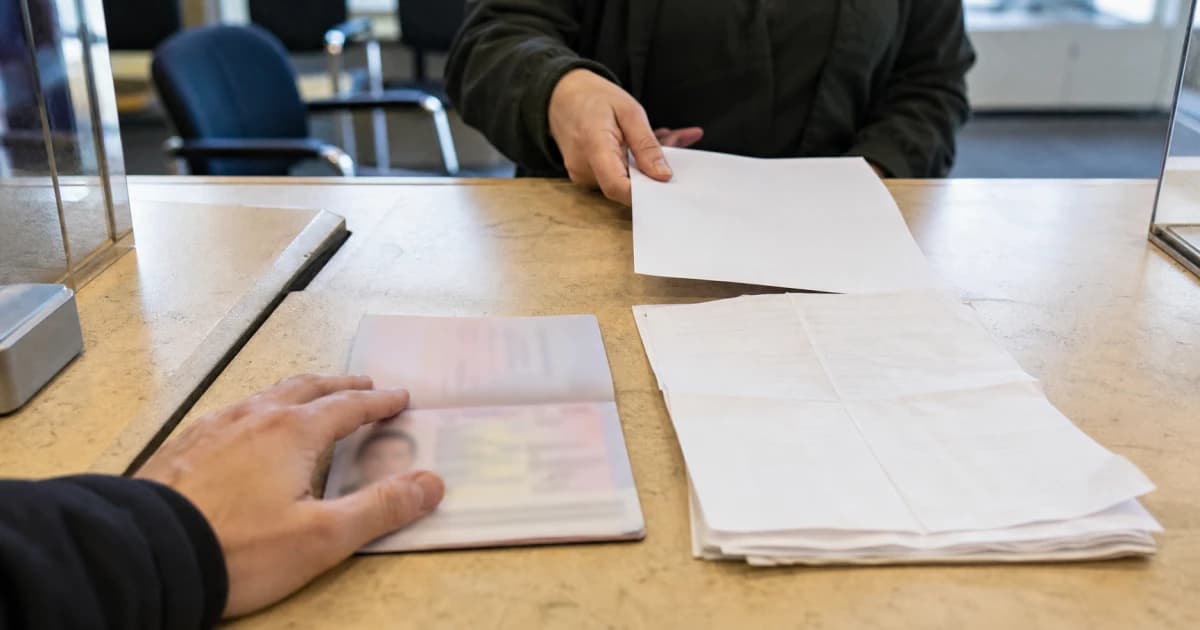
Ce guide s’adresse aux personnes qui arrivent aux Pays-Bas, avec leur partenaire ou leurs enfants, ainsi qu’aux personnes qui ont besoin d’un BSN pour un séjour court.
À quoi sert le BSN ?
Les administrations utilisent votre BSN pour traiter et échanger vos données personnelles. Les soignants, les assureurs santé, les écoles et les services fiscaux l’utilisent aussi dans leurs dossiers. Vous en avez besoin pour demander DigiD (identité numérique) (Site externe, s’ouvre dans un nouvel onglet), qui vous permet de vous connecter de façon sécurisée aux services publics néerlandais.
Si vous avez l’habitude de demander un numéro administratif séparément, commencez ici par l’inscription : elle vous attribue automatiquement le BSN.
Pour recevoir le courrier numérique des administrations, utilisez MijnOverheid (compte des services publics) et Berichtenbox (boîte de messages) (Site externe, s’ouvre dans un nouvel onglet). Suivez le guide pour configurer MijnOverheid et Berichtenbox.
Pour savoir si vous êtes soumis à l’inburgering (intégration civique), consultez la page sur les personnes qui doivent suivre l’intégration aux Pays-Bas.
Comment vous inscrire au BRP ?
Pour vous inscrire comme résident, vous devez avoir le droit de vivre aux Pays-Bas et prévoir d’y rester au moins 4 mois sur une période de 6 mois. Adressez-vous à la gemeente où vous habitez. Cette règle figure dans la Wet basisregistratie personen (loi sur le registre de la population) (Site externe, s’ouvre dans un nouvel onglet).
Des règles particulières peuvent s’appliquer si vous avez un statut diplomatique, si vous êtes membre du personnel de la NAVO (OTAN, Organisation du traité de l’Atlantique nord) (Site externe, s’ouvre dans un nouvel onglet) ou de sa famille, ou si vous vivez dans un centre d’accueil pour demandeurs d’asile. Demandez à votre gemeente quelle procédure vous concerne.
Vous pouvez attendre pour vous inscrire si vous n’avez pas de statut de séjour valide et si la demande de votre titre de séjour obligatoire est en cours. Vous pouvez aussi attendre la décision de la gemeente si elle doit vérifier votre identité. Demandez-lui quelle règle s’applique à votre situation. Les consignes d’inscription de Rijksoverheid (gouvernement central néerlandais) (Site externe, s’ouvre dans un nouvel onglet) précisent ces exceptions au délai de 5 jours.
Si votre état de santé ou une détention vous empêche de vous présenter, une autre personne peut parfois vous inscrire. Demandez à la gemeente qui peut le faire et quels justificatifs fournir. RvIG (service national des données d’identité) (Site externe, s’ouvre dans un nouvel onglet) explique les règles.
Pour un enfant de moins de 16 ans, un parent, un tuteur ou la personne qui en a la charge déclare le lieu de résidence. Cette personne fait aussi la déclaration pour un jeune de 16 ou 17 ans qui vit avec elle, sauf si le jeune la fait lui-même. Lorsque quelqu’un fait la déclaration pour un enfant, la gemeente peut exiger que l’enfant vienne pour vérifier son identité. Si vous déclarez vous-même votre résidence, vous devez vous présenter en personne, sauf si la loi vous dispense de venir. Demandez à la gemeente quels membres de votre famille doivent être présents. Chaque personne doit avoir une pièce d’identité valide.
L’attente pour un rendez-vous peut être longue. Contactez votre gemeente bien avant le voyage. Vérifiez les documents à apporter pour chaque membre de la famille, puis suivez ces étapes :
- Prenez rendez-vous pour l’inscription auprès de votre gemeente.
- Réunissez les documents de sa liste.
- Présentez-vous dans les 5 jours suivant votre arrivée.
La gemeente enregistre vos données dans le BRP (registre de la population). Si vous avez déjà un BSN, vous le gardez. Si elle doit vous attribuer un nouveau BSN, vous pouvez devoir attendre quelques semaines pour le recevoir. Le délai dépend de votre gemeente.
Par exemple, si vous venez de l’étranger pour un séjour de 6 mois, vous vous inscrivez comme résident. Pour un déplacement professionnel de 2 mois, vous utilisez le RNI si vous avez besoin d’un BSN.
Si vous bénéficiez de la protection temporaire pour l’Ukraine et avez au moins 14 ans, retirez votre preuve de séjour auprès de l’IND dans les quatre semaines suivant votre inscription municipale. Prenez rendez-vous. Le jour du rendez-vous, vous devez être inscrit depuis au moins une semaine.
Après évaluation, les demandeurs d’asile présents depuis plus de six mois, les titulaires d’un permis d’asile et les personnes arrivées par regroupement familial au titre de l’asile reçoivent automatiquement un rendez-vous dans un centre spécialisé d’inscription BRP. Attendez ce rendez-vous. Ne le demandez pas vous-même au centre, à l’IND ou au point national de coordination.
Quels documents apporter ?
Les documents demandés varient selon la gemeente. Utilisez sa propre liste. La liste nationale des démarches pour déménager aux Pays-Bas (Site externe, s’ouvre dans un nouvel onglet) indique les documents ci-dessous. Apportez les preuves de votre identité et de votre adresse, puis les autres documents nécessaires à votre situation :
- Une pièce d’identité valide.
- Une preuve que vous vivez à cette adresse : contrat de location, contrat d’achat ou autorisation écrite de l’occupant principal.
- Votre document de séjour, si la gemeente l’exige dans votre situation.
- Les documents sur votre situation familiale que la gemeente vous demande, par exemple des actes de naissance, de mariage ou de divorce.
- Une preuve de radiation si vous venez d’Aruba, de Curaçao, de St Maarten, de Bonaire, de Saint-Eustache ou de Saba. La gemeente peut aussi vous la demander si vous venez d’un autre pays.
La liste nationale cite comme exemples un passeport, un permis de conduire, une carte d’identité néerlandaise ou une carte d’identité d’étranger. Demandez à votre gemeente quelle pièce elle accepte pour votre inscription.
Comment préparer vos documents étrangers ?
La gemeente peut exiger une legalisatie (vérification officielle des signatures et des cachets) pour utiliser vos documents étrangers. Faites effectuer la légalisation nécessaire dans le pays qui a délivré le document. Avant de voyager, vérifiez les règles officielles pour le pays d’origine de votre document (Site externe, s’ouvre dans un nouvel onglet).
Si le document n’est pas rédigé en néerlandais, en anglais, en français ou en allemand, faites-le traduire par un traducteur assermenté. Une traduction réalisée aux Pays-Bas n’a pas besoin de légalisation. Une traduction réalisée à l’étranger peut en avoir besoin : vérifiez les règles du pays concerné.
Le français fait partie des langues acceptées. Si votre document est déjà rédigé en français, vous n’avez donc pas besoin de le faire traduire. Vérifiez séparément s’il doit être légalisé.
Une apostille (cachet officiel qui authentifie une signature) est une vignette ou un cachet apposé sur un document. Lorsqu’elle est acceptée aux Pays-Bas, elle remplace les autres étapes de légalisation. Les Pays-Bas n’acceptent pas les apostilles du Bangladesh ou du Pakistan. Consultez la liste officielle des pays pour l’apostille (Site externe, s’ouvre dans un nouvel onglet) pour connaître l’autre procédure de légalisation. De nombreux documents provenant d’un autre pays de l’UE (Union européenne) n’ont pas besoin d’apostille. Vérifiez les exigences pour votre pays et votre document.
Si vous remplissez les autres conditions d’inscription et ne pouvez pas fournir les actes étrangers demandés sous quelques jours, la commune doit vous inscrire avec les preuves les plus solides disponibles. Convenez d’un délai pour les documents manquants. Certaines données familiales peuvent rester non inscrites jusqu’à la réception de preuves adaptées.
Comment vous inscrire pour un séjour de moins de 4 mois ?
Si vous avez besoin d’un BSN pour un séjour de moins de 4 mois, par exemple pour travailler ou étudier, vous pouvez vous inscrire au RNI. Cette démarche est aussi possible si vous vivez à l’étranger et devez faire des démarches auprès des administrations néerlandaises. L’inscription au RNI est facultative. Elle est gratuite en 2026.
Votre nationalité détermine les guichets auxquels vous pouvez vous inscrire. En 2026, les possibilités sont les suivantes :
- Nationalité néerlandaise, d’un autre pays de l’UE, norvégienne, islandaise, du Liechtenstein ou suisse : vous pouvez choisir l’un des 19 guichets RNI.
- Autre nationalité : vous devez vous adresser au guichet RNI de Breda ou de Venlo.
Pour un enfant de moins de 16 ans, apportez aussi son passeport ou sa carte d’identité de l’UE en cours de validité. Apportez un acte de naissance ou une déclaration de reconnaissance qui établit que vous êtes son parent. Vérifiez si les documents étrangers doivent être traduits ou légalisés.
Vous devez avoir un passeport ou une carte d’identité valide. Si vous ne parlez ni néerlandais ni anglais, venez avec une personne qui peut interpréter pour vous. Après avoir choisi un guichet accessible selon votre nationalité, suivez ces étapes :
- Prenez rendez-vous à ce guichet RNI.
- Réunissez les documents demandés.
- Présentez-vous avec toutes les personnes que vous inscrivez, y compris les enfants.
Le guichet RNI vous remet une lettre avec votre BSN. Si vos projets changent et que vous prévoyez de rester au moins 4 mois sur une période de 6 mois, inscrivez-vous comme résident auprès de la gemeente où vous habitez. Vous gardez le même BSN.
Que faire en cas de difficulté pour vous inscrire ?
Si vous n’avez pas de rendez-vous, d’adresse ou de BSN, contactez votre gemeente. Les sections suivantes indiquent ce que vous pouvez lui demander.
Aucun rendez-vous dans les 5 jours : que faire ?
Vous pouvez encore vous inscrire après le délai. La gemeente peut toutefois vous infliger une amende pour le retard. Si l’attente vous empêche de vous inscrire dans les 5 jours, réservez le premier rendez-vous disponible et gardez la confirmation. Lors du rendez-vous, demandez si votre inscription peut prendre effet à la date de réservation. La liste nationale des démarches donne ce conseil, mais ne garantit pas cette date d’effet. Contactez directement la gemeente si vous avez besoin d’aide pour prendre rendez-vous.
Que faire si vous n’avez pas d’adresse de résidence ?
Si vous n’avez pas d’adresse de résidence, demandez à votre gemeente si vous pouvez obtenir un briefadres (adresse de correspondance) (Site externe, s’ouvre dans un nouvel onglet). Cette possibilité existe aussi pour les personnes vivant dans une institution. La gemeente vérifie si vous remplissez les conditions. Le briefadres est une adresse administrative pour recevoir le courrier des administrations.
Une personne inscrite à une adresse de résidence, une institution agréée ou la gemeente peut fournir un briefadres. Si vous remplissez les conditions mais ne trouvez personne pour fournir cette adresse, la gemeente doit vous inscrire avec un briefadres, par exemple à la mairie. L’adresse doit se trouver aux Pays-Bas. Elle ne peut pas être un postbus (boîte postale).
Si une personne de votre entourage fournit l’adresse, déposez votre demande auprès de Burgerzaken ou de Publiekszaken (services de la population) dans la gemeente de cette adresse. Apportez les documents suivants :
- Votre pièce d’identité valide.
- Le consentement écrit et signé de la personne qui fournit l’adresse.
- Sa pièce d’identité valide ou une copie.
- Une explication écrite de la raison pour laquelle vous avez besoin d’un briefadres, comme le précise la liste de Government.nl.
Le briefadres n’a pas de durée maximale. Vous pouvez le garder tant que vous remplissez les conditions. Demandez à la gemeente quels justificatifs supplémentaires elle exige et quand elle réexaminera votre situation.
Votre propriétaire ou hébergeant refuse l’inscription : que faire ?
Si vous vivez à une adresse mais que le propriétaire ou la personne qui vous héberge refuse l’inscription, indiquez à la gemeente où vous habitez réellement. Expliquez le refus et apportez des preuves de votre adresse. Demandez si un adresonderzoek (enquête sur l’adresse) est nécessaire. L’inscription dépend de votre lieu de résidence réel, plutôt que du consentement du propriétaire. Consultez le guide sur les problèmes d’inscription à l’adresse pour cette démarche.
Que faire si vous n’avez pas reçu votre BSN ?
Après l’inscription comme résident, un nouveau BSN peut mettre quelques semaines à arriver. Le délai dépend de la gemeente. Comme le numéro est attribué automatiquement, vous pouvez demander où en est votre dossier sans faire une nouvelle demande. Demandez comment vous recevrez votre BSN. Contactez la gemeente si la date de réception qu’elle vous a indiquée est dépassée.
Pour les autres démarches après votre arrivée, consultez le guide adapté à votre besoin :
- Les 90 premiers jours aux Pays-Bas : liste des démarches — pour DigiD, l’assurance santé, la banque et les autres démarches à l’arrivée.
- Trouver et consulter un huisarts (médecin généraliste) aux Pays-Bas — pour vous inscrire auprès d’un médecin.
- Auteur
- Par Inburgering.org team
- Relecteur
- Relu par Kirill Svavolia
Sources officielles
- NetherlandsWorldwide : When do I have to register with a Dutch municipality? (Site externe, s’ouvre dans un nouvel onglet) - l’inscription des résidents, le délai de 5 jours pour se présenter, la présence des membres de la famille et le maintien d’un BSN existant
- NetherlandsWorldwide : What is a citizen service number (BSN)? (Site externe, s’ouvre dans un nouvel onglet) - la définition du BSN, numéro de 8 ou 9 chiffres attribué lors de l’inscription au BRP ou au RNI, et son utilité
- Government.nl : Citizen service number (BSN) (Site externe, s’ouvre dans un nouvel onglet) - l’attribution automatique d’un BSN aux personnes inscrites au BRP et son usage par les administrations, les services de santé et les organismes de prestations
- NetherlandsWorldwide : Checklist for moving to the Netherlands (Site externe, s’ouvre dans un nouvel onglet) - les documents à apporter, la préparation des documents étrangers, les rendez-vous avant le voyage, les délais d’attente et l’envoi du BSN par la gemeente
- Government.nl : Can I register in the BRP if I have a correspondence address? (Site externe, s’ouvre dans un nouvel onglet) - la demande auprès d’un particulier et les documents requis ; les règles néerlandaises ci-dessous précisent aussi le rôle des institutions et des communes
- DigiD : identify yourself online (Site externe, s’ouvre dans un nouvel onglet) - l’identification par DigiD pour les services en ligne ; la page de demande ci-dessous confirme qu’un BSN est nécessaire
- Wetten.overheid.nl (base officielle des lois et règlements néerlandais) : Wet basisregistratie personen (Site externe, s’ouvre dans un nouvel onglet) - les articles 2.4 et 2.38 : droit de séjour, au moins 4 mois sur une période de 6 mois, délai de déclaration de 5 jours et inscription tardive ; l’article 2.23 : adresse de correspondance fournie par la commune
- Rijksoverheid : inscription comme résident au BRP (Site externe, s’ouvre dans un nouvel onglet) - la gratuité de l’inscription des résidents, la présence de la famille et les exceptions quand le statut de séjour ou l’identité restent à établir
- RvIG : Registratie van Niet-Ingezetenen (inscription des non-résidents) (Site externe, s’ouvre dans un nouvel onglet) - l’inscription facultative des personnes vivant à l’étranger ou en séjour court ; depuis janvier 2026, la restriction aux guichets de Breda et Venlo pour les personnes sans passeport européen
- NetherlandsWorldwide : Registering in the RNI (Site externe, s’ouvre dans un nouvel onglet) - les nationalités admises à chaque guichet RNI, la gratuité, la présence en personne, les pièces d’identité et documents des enfants, l’interprétation et la remise de la lettre avec le BSN
- Rijksoverheid : inscription avec un briefadres (Site externe, s’ouvre dans un nouvel onglet) - les conditions d’accès au briefadres, les particuliers et institutions qui peuvent le fournir, les documents requis et l’obligation de la commune de fournir une adresse si une personne admissible n’en trouve pas
- NederlandWereldwijd (service d’information des Pays-Bas) : quand faut-il une apostille ? (Site externe, s’ouvre dans un nouvel onglet) - les exigences d’apostille selon le pays et le document ; de nombreux documents de l’UE n’ont pas besoin de légalisation
- NederlandWereldwijd : pays dont les apostilles sont acceptées (Site externe, s’ouvre dans un nouvel onglet) - le refus des apostilles du Bangladesh et du Pakistan par les Pays-Bas
- NederlandWereldwijd : où obtenir une apostille (Site externe, s’ouvre dans un nouvel onglet) - l’obtention de l’apostille dans le pays qui a délivré le document, les traductions assermentées et l’exception pour celles réalisées aux Pays-Bas
- NederlandWereldwijd : légalisation des documents étrangers (Site externe, s’ouvre dans un nouvel onglet) - les procédures officielles par pays pour préparer les documents étrangers destinés aux Pays-Bas
- Officiële bekendmakingen (publications officielles) : inscription d’une adresse au BRP, réponses parlementaires (Site externe, s’ouvre dans un nouvel onglet) - l’inscription à l’adresse où la personne vit réellement, indépendamment du consentement du propriétaire ou de l’occupant, et l’enquête communale en cas de doute sur l’adresse
- DigiD : Apply for a DigiD (Site externe, s’ouvre dans un nouvel onglet) - la nécessité d’un BSN pour demander DigiD
- RvIG : inscription des résidents et exceptions à la présence en personne (Site externe, s’ouvre dans un nouvel onglet) - la présence en personne, la représentation des enfants de moins de 16 ans, les exceptions pour raisons de santé ou de détention, et les règles particulières pour les personnes privilégiées, le personnel NAVO et ses familles ainsi que certains résidents de centres d’accueil
- MijnOverheid : courrier numérique des administrations (Site externe, s’ouvre dans un nouvel onglet) - la réception du courrier numérique des administrations dans Berichtenbox via MijnOverheid
- NederlandWereldwijd : qu’est-ce que la légalisation ? (Site externe, s’ouvre dans un nouvel onglet) - la vérification de l’autorité qui délivre le document, des signatures, des cachets et de la forme du document
- RvIG : durée maximale d’un briefadres (Site externe, s’ouvre dans un nouvel onglet) - l’absence de durée maximale pour un briefadres tant que les conditions restent remplies
- NATO : North Atlantic Treaty Organization (Site externe, s’ouvre dans un nouvel onglet) - le nom officiel de l’organisation et son sigle en anglais
- IND: Temporary Protection Directive Ukraine (Site externe, s’ouvre dans un nouvel onglet) - Si vous bénéficiez de la protection temporaire pour l’Ukraine et avez au moins 14 ans, retirez votre preuve de séjour auprès de l’IND dans les quatre semaines suivant votre inscription municipale. Prenez rendez-vous. Le jour du rendez-vous, vous devez être inscrit depuis au moins une semaine.
- IND: Registration at a BRP registration centre (Site externe, s’ouvre dans un nouvel onglet) - Après évaluation, les demandeurs d’asile présents depuis plus de six mois, les titulaires d’un permis d’asile et les personnes arrivées par regroupement familial au titre de l’asile reçoivent automatiquement un rendez-vous dans un centre spécialisé d’inscription BRP. Attendez ce rendez-vous. Ne le demandez pas vous-même au centre, à l’IND ou au point national de coordination.
- RvIG: Akten en Brondocumenten (Site externe, s’ouvre dans un nouvel onglet) - Si vous remplissez les autres conditions d’inscription et ne pouvez pas fournir les actes étrangers demandés sous quelques jours, la commune doit vous inscrire avec les preuves les plus solides disponibles. Convenez d’un délai pour les documents manquants. Certaines données familiales peuvent rester non inscrites jusqu’à la réception de preuves adaptées.