
Проверьте велосипед, продавца и правила перед первой поездкой
Перед покупкой подержанного велосипеда в Нидерландах проверьте его framenummer (номер рамы) в реестрах украденных вещей. Испытайте тормоза, шины, колёса, фонари и звонок. Получите чек или расписку. Соблюдайте правила для своего типа велосипеда, по возможности используйте два замка и паркуйтесь в разрешённом месте. Если велосипед исчез, сначала проверьте муниципальный склад, а затем заявляйте о краже.
Выберите магазин, частного продавца или подписку
В fietsenwinkel (веломагазине) вам помогут подобрать размер велосипеда. Там можно купить подержанный велосипед после обслуживания. Сравните цену с частными объявлениями. У частного продавца нужно самостоятельно проверить и велосипед, и продавца. По подписке вы платите каждый месяц за пользование велосипедом, который принадлежит компании. Перед подписанием узнайте, какой ремонт входит в плату, на какой срок действует договор, как его расторгнуть и какие условия договора действуют при краже.
У e-bike (электровелосипеда) проверьте ещё и аккумулятор, зарядное устройство, дисплей и помощь мотора при педалировании. Спросите о возрасте аккумулятора, ключе, оригинальном зарядном устройстве и истории обслуживания. Изношенный аккумулятор может потребовать замены и дополнительных расходов. В советах ANWB (нидерландской ассоциации участников дорожного движения) о покупке подержанного электровелосипеда (Внешний сайт, откроется в новой вкладке) рекомендуют протестировать аккумулятор и проверить, есть ли для него замена.
Проверьте подержанный велосипед до оплаты
Начните с номера рамы, затем осмотрите велосипед и проедьте на нём. Для пробной поездки используйте список проверок ANWB перед покупкой (Внешний сайт, откроется в новой вкладке). Действуйте по порядку:
- До встречи попросите у продавца марку и номер рамы.
- При осмотре сверьте номер на велосипеде с данными продавца. Номер не должен быть закрыт, изменён или повреждён.
- Найдите марку и номер рамы в реестре украденных велосипедов RDW (нидерландского ведомства по регистрации транспорта) (Внешний сайт, откроется в новой вкладке). Если велосипед числится украденным, откажитесь от покупки.
- Проверьте номер рамы через сервис politie (полиции) Stop Heling (проверка краденых вещей) (Внешний сайт, откроется в новой вкладке). Если сервис показывает, что велосипед украден, не покупайте его.
- Если Stop Heling показал кражу, нажмите кнопку сообщения в этом результате.
- Проверьте, что ключи работают, и выслушайте объяснение продавца. Если цена намного ниже похожих предложений, нет ключей, происхождение велосипеда неясно или продавец торопит вас с оплатой, остановитесь и проверьте всё подробнее.
- Испытайте тормоз или тормоза, руль, шины, колёса, цепь, передачи, фонари и звонок.
- Осмотрите раму: ищите трещины, искривления и плохо закреплённые детали.
- У электровелосипеда проверьте аккумулятор и зарядное устройство.
- Если есть первоначальный чек или записи об обслуживании, попросите показать их.
- Получите письменный чек или расписку с датой, ценой, описанием велосипеда, номером рамы и данными покупателя и продавца.
- Сверьте номер рамы на велосипеде с номером в чеке или расписке.
- Платите только после осмотра и всех проверок.
Heling (оборот краденого) может включать покупку, хранение или продажу украденных вещей. При покупке уголовная ответственность зависит от того, знали ли вы о краже или должны были обоснованно заподозрить кражу в момент покупки или получения велосипеда. Одной проверки реестра недостаточно, чтобы решить этот вопрос.
Определите, какие правила действуют для вашего велосипеда
От юридической категории велосипеда зависит, какие документы и оснащение нужны перед поездкой. Rijksoverheid (правительство Нидерландов) (Внешний сайт, откроется в новой вкладке) устанавливает следующие правила для электровелосипедов.
Широкие таблицы можно прокручивать по горизонтали.
| Тип велосипеда | Помощь мотора | Что нужно перед поездкой |
|---|---|---|
| Обычный велосипед | Нет | Не нужны водительские права, номерной знак, обязательный шлем или обязательная страховка гражданской ответственности для моторного транспорта. |
| Стандартный электровелосипед | Нужно крутить педали; помощь прекращается при 25 км/ч; мощность мотора до 250 Вт. | Действуют обычные велосипедные правила. Не нужны водительские права, номерной знак, обязательный шлем или обязательная страховка гражданской ответственности для моторного транспорта. Минимального возраста нет. |
| Speed-pedelec (скоростной электровелосипед) | Помощь при педалировании до 45 км/ч. По закону это bromfiets (мопед). | Возраст от 16 лет; водительские права AM (мопед), B (автомобиль) или A (мотоцикл); жёлтый номерной знак; страховка wettelijke aansprakelijkheid (WA, ответственность перед третьими лицами); одобренный шлем. |
Для speed-pedelec действуют маршруты и ограничения скорости мопедов. Если есть общая дорожка для велосипедов и мопедов, езжайте по ней. Если её нет, используйте проезжую часть. На общей дорожке разрешено до 30 км/ч в населённом пункте и до 40 км/ч за его пределами. На проезжей части — до 45 км/ч. Перед поездкой прочитайте правила для speed-pedelec (Внешний сайт, откроется в новой вкладке).
Ручка газа на стандартном электровелосипеде может приводить его в движение без педалирования только до 6 км/ч. Если помощь мотора продолжается выше 25 км/ч или ручка газа разгоняет велосипед выше 6 км/ч, нужно одобрение для другой категории моторного транспорта. Без такого одобрения ездить на нём по дорогам общего пользования нельзя. До покупки уточните категорию у продавца.
Проверьте обязательное оснащение
Этот список относится к обычным двухколёсным велосипедам и стандартным электровелосипедам. Для грузового велосипеда с большим числом колёс могут понадобиться дополнительные фонари или отражатели. Проверьте правительственные правила о фонарях и отражателях (Внешний сайт, откроется в новой вкладке).
- У велосипеда должны быть исправный тормоз и звонок. Если установлены только ободные тормоза, нужны два отдельных исправных тормоза на два колеса. Эти требования установлены в Regeling voertuigen (положении о транспортных средствах) (Внешний сайт, откроется в новой вкладке).
- В темноте и при плохой видимости включайте постоянный белый или жёлтый фонарь спереди и постоянный красный сзади. Фонари должны быть видны. Они не должны мигать или ослеплять других.
- Нужны красный нетреугольный задний отражатель, белые или жёлтые отражатели на колёсах или шинах и четыре янтарных или жёлтых отражателя на педалях.
- Съёмные фонари можно крепить к велосипеду, сумке, груди или спине. Направляйте их строго вперёд или назад. Носить фонари на голове, руках или ногах нельзя.
Перед регулярными поездками отрегулируйте седло. Проверьте давление в шинах, руль, цепь, фонари, тормоза и крепление деталей.
Носите с собой небольшой запасной фонарь. Когда используете его, закрепляйте в разрешённом месте так, чтобы его было видно.
Если вы привыкли включать мигающий режим велосипедного фонаря, перед поездкой переключите его на постоянный свет: в Нидерландах мигающие фонари не разрешены.
Соблюдайте ПДД и учитывайте штрафы 2026 года
В таблице приведены четыре административных штрафа для велосипедистов в 2026 году. Точное нарушение и сумму можно найти в Boetebase (поиске штрафов) от Openbaar Ministerie (OM, прокуратуры) (Внешний сайт, откроется в новой вкладке). К каждой сумме добавляют 9 евро административных расходов.
Широкие таблицы можно прокручивать по горизонтали.
| Нарушение | Штраф в 2026 году без административных расходов |
|---|---|
| Нет обязательных фонарей или они неисправны в темноте либо при плохой видимости | 75 € |
| Проезд на красный свет | 120 € |
| Телефон или другое мобильное электронное устройство в руке во время движения | 170 € |
| Езда вне обязательной велодорожки или общей дорожки для велосипедов и мопедов | 75 € |
Например, штраф за фонари в размере 75 евро в 2026 году вместе с 9 евро административных расходов составит 84 евро. В таблице указаны суммы для велосипедистов. Для других категорий транспорта штрафы могут отличаться.
Во время движения нельзя держать телефон, планшет или плеер в руке. Использовать устройство без помощи рук или в держателе можно, только если это не создаёт опасности. Когда вы стоите на месте, устройство можно взять в руку и использовать.
Для обычного велосипеда и стандартного электровелосипеда предел содержания алкоголя в крови — 0,5 промилле. Нарушения, связанные с алкоголем, рассматривают по уголовному праву. Единого фиксированного административного штрафа для них нет. Таблица выше касается других нарушений и не говорит о том, безопасно ли ехать после употребления алкоголя.
Если есть обязательный fietspad (велодорожка) или fiets/bromfietspad (общая дорожка для велосипедов и мопедов), езжайте по нему. Если ни одного нет, используйте проезжую часть. Велосипед с более чем двумя колёсами или велосипед с прицепом может ехать по проезжей части, если его ширина вместе с грузом превышает 0,75 метра. На тротуаре велосипед нужно вести пешком.
Если вы привыкли ездить по тротуару, в Нидерландах на нём нужно сойти с велосипеда и вести его пешком.
На обычном велосипеде и стандартном электровелосипеде шлем рекомендуется. На speed-pedelec он обязателен: используйте одобренный шлем для мопеда или speed-pedelec. Какие модели подходят, объясняют правила о шлемах (Внешний сайт, откроется в новой вкладке).
Запирайте велосипед и сохраняйте его данные
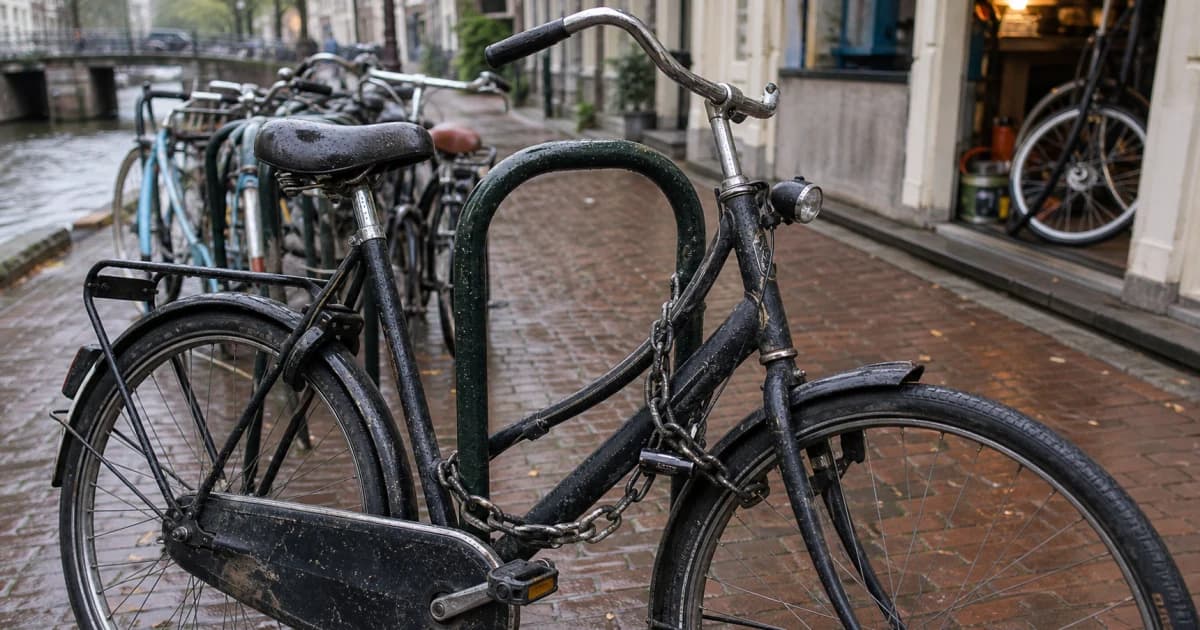
Каждый раз при парковке закрепляйте велосипед. В советах полиции по защите от кражи (Внешний сайт, откроется в новой вкладке) рекомендуют прикреплять раму к неподвижному объекту и по возможности использовать два разных замка.
- По возможности используйте рамочный замок и отдельную прочную цепь или U-образный замок. Рейтинг ART (знак одобрения замка) проверьте в базе Stichting ART (организации по сертификации замков) (Внешний сайт, откроется в новой вкладке).
- Проденьте второй замок через раму и прикрепите велосипед к велостойке или другому неподвижному объекту там, где это разрешено. Не перекрывайте тротуары, выходы и пути для экстренного доступа.
- Для дорогого велосипеда по возможности выбирайте охраняемую велопарковку. Если удобно, снимайте дисплей электровелосипеда или ключ аккумулятора.
- Сфотографируйте велосипед и номер рамы. Храните чек или расписку, данные замков, запасные ключи и сведения об аккумуляторе отдельно от велосипеда.
Проверьте страховку от кражи и страхование гражданской ответственности
Отдельная страховка велосипеда добровольна. В зависимости от полиса она может покрывать кражу или повреждение. Страховка домашнего имущества иногда тоже покрывает украденный велосипед. Проверьте, входит ли в неё кража с улицы и из места, где вы храните велосипед, а также в каких странах она действует.
Сравните страховой взнос со стоимостью замены велосипеда. Прочитайте требования к замкам, второму замку, ключам, трекеру и заявлению о краже. Это условия конкретного полиса: проверяйте требования своего страховщика. В памятке Verbond van Verzekeraars (ассоциации страховщиков Нидерландов) о краже (Внешний сайт, откроется в новой вкладке) объясняют, почему страховщик может попросить доказательства использования замков и ключей.
Aansprakelijkheidsverzekering voor particulieren (AVP, страхование личной гражданской ответственности) может покрывать ущерб, который вы случайно причините другому человеку на велосипеде. Условия устанавливает ваш полис. Эта страховка отличается от покрытия кражи или повреждения вашего велосипеда. Стандартному электровелосипеду обязательная страховка WA для моторного транспорта не нужна, а speed-pedelec — нужна. Разницу объясняет гид по страхованию ответственности и домашнего имущества.
Если велосипед исчез, сначала проверьте муниципальный склад
Проверяйте места и подавайте заявление в таком порядке:
- Внимательно осмотрите место, где стоял велосипед.
- Спросите сотрудников ближайшей велопарковки, знают ли они, что случилось.
- Проверьте сайт своего gemeente (муниципалитета) и fietsdepot (муниципальный склад велосипедов). Это особенно полезно, если вы оставили велосипед у станции, торговой зоны или в зоне с ограничениями.
- Если велосипеда на складе нет, заявите о краже в полицию (Внешний сайт, откроется в новой вкладке). Укажите номер рамы или чипа, марку, модель, цвет, особые приметы и приложите фотографии.
- Сохраните подтверждение заявления.
- Если у вас есть страховка или подписка, как можно скорее сообщите страховщику или компании.
- Выполните их требования к доказательствам и ключам, если они применяются к вашему случаю.
Если увидите свой велосипед в продаже, сохраните объявление и данные продавца. Обратитесь в полицию и подготовьте чек или расписку и номер рамы. Поручите возврат велосипеда полиции.
Проверьте правила парковки в своём муниципалитете
Муниципалитет может вывезти велосипед, если он припаркован опасно, перекрывает проход или проезд, стоит вне разрешённого места в регулируемой зоне, выглядит брошенным или оставлен дольше местного лимита. Предупредительные метки, немедленный вывоз, сборы и сроки хранения различаются. Проверяйте правила своего муниципалитета.
Например, сравните правила вывоза в Амстердаме (Внешний сайт, откроется в новой вкладке), правила хранения и выдачи в Утрехте (Внешний сайт, откроется в новой вкладке) и правила для брошенных велосипедов в Гааге (Внешний сайт, откроется в новой вкладке). У каждого города свои предупреждения и сроки.
При парковке и получении вывезенного велосипеда проверьте следующее:
- Используйте стойку, отмеченное место или велопарковку. Следуйте знакам рядом. Пристёгивайте велосипед к фонарному столбу, дорожному знаку, перилам моста или ограде только там, где местные правила это разрешают.
- Не перекрывайте тротуары, входы, тактильную плитку и пути для экстренного доступа. Проверьте ограничения места и времени у станций и в оживлённых центрах.
- Если велосипед исчез, найдите на сайте муниципалитета fiets verwijderd (велосипед вывезен). Проверьте срок получения. Возьмите на склад требуемое удостоверение личности, ключ от велосипеда и средство оплаты.
- Если вы не согласны с вывозом, сохраните решение и подтверждение оплаты. Следуйте муниципальной процедуре подачи возражения.
Что делать после ДТП на велосипеде
Сначала помогите пострадавшим и устраните опасность. Затем зафиксируйте обстоятельства для участников и страховщика.
- Отойдите в безопасное место и помогите другим выйти из опасной зоны. Перемещайте пострадавшего только тогда, когда этого требует безопасность.
- При травмах или срочной опасности звоните 112.
- Окажите первую помощь, если можете.
- До ухода обменяйтесь с другим участником личными данными, контактами и страховыми данными, если они относятся к случаю.
- Если безопасно, до перемещения сфотографируйте дорогу, знаки, положение участников, транспорт, велосипед и повреждения.
- Запишите имена и контакты свидетелей.
- Зафиксируйте обстоятельства в Europees schadeformulier (европейском извещении о ДТП) или принятой электронной форме. В памятке полиции о ДТП (Внешний сайт, откроется в новой вкладке) для этого называют mobielschademelden.nl (сервис электронных извещений о ДТП) (Внешний сайт, откроется в новой вкладке).
- Если используете бумажную форму, уведомите страховщика в течение 24 часов, как советует полиция.
- Если у велосипеда нет номерного знака и у вас есть соответствующая страховка, самостоятельно отправьте электронное извещение страховщику (Внешний сайт, откроется в новой вкладке).
- Если отправили электронное извещение страховщику, убедитесь, что он его получил.
- Обратитесь к врачу при боли или других симптомах, в том числе появившихся позже.
- Сохраните сметы ремонта, медицинские документы, чеки и другие подтверждения расходов.
Как решить частые проблемы с велосипедом
Предложение подержанного велосипеда кажется подозрительным
Если реестр не нашёл кражу, это только один результат проверки. Откажитесь от покупки, если продавец не показывает номер рамы или работающие ключи, номер выглядит изменённым, объяснения меняются или цена намного ниже похожих предложений. Сохраните подозрительное объявление. Если Stop Heling показывает кражу, используйте кнопку сообщения в этом результате.
Купленный велосипед оказался украденным
Прекратите пользоваться велосипедом или продавать его. Обратитесь в полицию. Сохраните объявление, переписку, подтверждение платежа и чек или расписку. Одна проверка базы не подтверждает право собственности и не защищает от уголовного преследования. При покупке имеет значение, знали ли вы о краже или должны были обоснованно заподозрить кражу в момент покупки или получения велосипеда.
Страховщик отказал в выплате за кражу
Попросите письменное решение и ссылку на пункт полиса. Сопоставьте их с сохранёнными доказательствами о замках, ключах, трекере, парковке и заявлении. Если факты не соответствуют решению, подайте жалобу по процедуре страховщика. Условия нового полиса изучите до покупки замка или велосипеда.
Для дальнейших поездок и выбора страховки пригодятся эти гиды:
- Автор
- Автор: Inburgering.org team
- Рецензент
- Проверено: Kirill Svavolia
Официальные источники
- Regeling voertuigen: требования к оснащению велосипеда (Внешний сайт, откроется в новой вкладке) - Действующие требования закона к исправным тормозам и звонку.
- Rijksoverheid: правила для стандартных электровелосипедов (Внешний сайт, откроется в новой вкладке) - Определение электровелосипеда, правила движения, использования телефона и алкоголя; отсутствие отдельной обязательной страховки WA.
- Rijksoverheid: правила для мопедов и speed-pedelec (Внешний сайт, откроется в новой вкладке) - Водительские права, номерной знак, страховка, маршруты и ограничения скорости для speed-pedelec.
- Rijksoverheid: обязательные шлемы (Внешний сайт, откроется в новой вкладке) - Требование одобренного шлема для водителя и пассажира speed-pedelec.
- Rijksoverheid: велосипедные фонари и отражатели (Внешний сайт, откроется в новой вкладке) - Когда нужны фонари, где их можно крепить и какие отражатели обязательны.
- Reglement verkeersregels en verkeerstekens 1990 (RVV 1990, правила дорожного движения и дорожные знаки) (Внешний сайт, откроется в новой вкладке) - Действующие правила о велодорожках, проезжей части, ведении велосипеда пешком и шлемах.
- Openbaar Ministerie: Feitenboekje (перечень нарушений) 2026 (Внешний сайт, откроется в новой вкладке) - Официальные коды нарушений и суммы штрафов для велосипедистов в 2026 году.
- Staatsblad (официальный вестник) 2025, 413 (Внешний сайт, откроется в новой вкладке) - Решение об индексации административных дорожных штрафов с 1 января 2026 года.
- Openbaar Ministerie: Boetebase (Внешний сайт, откроется в новой вкладке) - Актуальные суммы штрафов и формулировки нарушений. Указанные суммы не включают 9 евро административных расходов.
- RDW: проверка велосипеда на кражу (Внешний сайт, откроется в новой вкладке) - Поиск по марке и номеру рамы, данные для регистрации, задержка обработки и ограничения реестра.
- Politie: проверка краденых вещей (Внешний сайт, откроется в новой вкладке) - Проверка Stop Heling по серийному номеру, признаки подозрительного предложения и порядок сообщения.
- Politie: заявление о краже велосипеда (Внешний сайт, откроется в новой вкладке) - Совет сначала проверить муниципальный склад, способы подачи заявления и важность номера рамы.
- Rijksoverheid: что делать, если велосипед украден (Внешний сайт, откроется в новой вкладке) - Заявление в полицию, номер рамы или чипа, реестр украденных велосипедов и муниципальные склады.
- Stichting ART: база одобренных замков (Внешний сайт, откроется в новой вкладке) - Как проверить сертификат ART и число звёзд замка.
- Verbond van Verzekeraars (ассоциация страховщиков Нидерландов): украденный велосипед (Внешний сайт, откроется в новой вкладке) - Почему страхование имущества и велосипеда покрывает разные случаи и почему важны условия полиса, ключи и доказательства.
- ANWB: требования к защите велосипеда по страховке (Внешний сайт, откроется в новой вкладке) - Пример полиса: требования к замкам, второму замку, ключам, трекеру и заявлению зависят от страховщика.
- Politie: действия после ДТП (Внешний сайт, откроется в новой вкладке) - Безопасность, экстренная помощь, обмен данными, фиксация ущерба, уведомление страховщика и обращение к врачу.
- Politie: выезд на ДТП (Внешний сайт, откроется в новой вкладке) - Когда полиция обычно приезжает и когда стороны оформляют столкновение самостоятельно.
- Gemeente Amsterdam: вывоз велосипедов (Внешний сайт, откроется в новой вкладке) - Пример местных правил: разрешённые зоны парковки, помехи движению, предупреждения и немедленный вывоз.
- Gemeente Utrecht: велосипед вывезен (Внешний сайт, откроется в новой вкладке) - Сборы, сроки хранения, подтверждающие документы и порядок возражения в Утрехте.
- Gemeente Den Haag: брошенные велосипеды (Внешний сайт, откроется в новой вкладке) - Другой порядок маркировки, вывоза и хранения велосипедов как пример различий между муниципалитетами.
- ANWB: покупка подержанного велосипеда (Внешний сайт, откроется в новой вкладке) - Пробная поездка, размер велосипеда, проверка тормозов, шин, руля, колёс и рамы перед покупкой.
- ANWB: покупка подержанного электровелосипеда (Внешний сайт, откроется в новой вкладке) - Проверка аккумулятора, наличия замены и износа перед покупкой.
- Politie: как защитить велосипед от кражи (Внешний сайт, откроется в новой вкладке) - Два замка, крепление рамы к неподвижному объекту, выбор парковки и сохранение данных велосипеда.
- Interpolis: страхование личной гражданской ответственности (Внешний сайт, откроется в новой вкладке) - Пример условий страховщика: ущерб другим людям при езде на велосипеде и исключения для моторного транспорта.
- Politie: купленный велосипед оказался украденным (Внешний сайт, откроется в новой вкладке) - Уголовная ответственность зависит от того, мог ли покупатель подозревать кражу. Сохраните чек и проверьте номер рамы.
- Politie: ваши украденные вещи продают в интернете (Внешний сайт, откроется в новой вкладке) - Как сообщить об объявлении: подтверждение покупки, серийный номер, данные продавца и площадки.
- Wetboek van Strafrecht (Уголовный кодекс): heling (оборот краденого) (Внешний сайт, откроется в новой вкладке) - Статьи 416 и 417bis: знание о краже или разумные основания её подозревать при покупке или получении вещи.
- Reglement rijbewijzen (положение о водительских правах): минимальный возраст (Внешний сайт, откроется в новой вкладке) - Статья 5: минимальный возраст для управления транспортом категории AM — 16 лет.
- Burgerlijk Wetboek Boek 3 (Гражданский кодекс, книга 3): право собственности на краденые вещи (Внешний сайт, откроется в новой вкладке) - Статья 86: имеют значение добросовестность покупателя и исключение для покупки в магазине. Проверка реестра сама по себе не подтверждает право собственности.
- ANWB: договоры аренды и подписки на велосипед (Внешний сайт, откроется в новой вкладке) - По подписке вы платите за пользование, обслуживание и ремонт, а велосипед принадлежит компании. Условия аренды и подписки различаются.
- Mobielschademelden.nl: электронное извещение о ДТП (Внешний сайт, откроется в новой вкладке) - Сервис электронных извещений, который называет полиция. ANWB подтверждает, что им могут пользоваться велосипедисты.
- Gemeente Ommen (муниципалитет Оммена): электронные извещения о ДТП (Внешний сайт, откроется в новой вкладке) - Извещение автоматически направляется страховщику для транспорта с номерным знаком. Если знака нет, пользователь может направить его сам.
- ANWB: регистрация ДТП с велосипедистами (Внешний сайт, откроется в новой вкладке) - Велосипедист может зарегистрировать ДТП онлайн. Регистрация и отправка извещения страховщику — разные действия.