
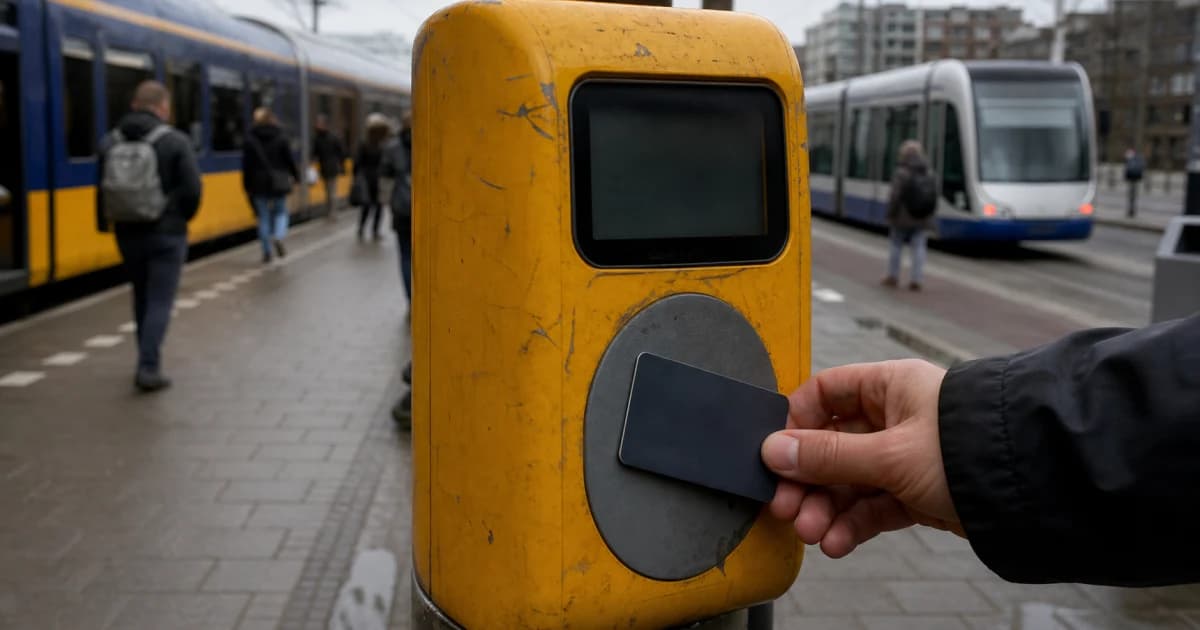
مرّر البطاقة أو الجهاز نفسه عند الدخول والخروج
يمكنك استخدام OVpay (موقع خارجي، يُفتح في علامة تبويب جديدة) (نظام دفع النقل العام) في القطار والحافلة والترام والمترو. مرّر بطاقتك البنكية بلا تلامس أو هاتفك أو ساعتك عند الدخول والخروج. يحتاج كل مسافر يسجّل الدخول إلى بطاقة أو جهاز خاص به. السفر العادي بالقطار ببطاقة بنكية يكون بالدرجة الثانية وبالسعر الكامل. إذا أردت الدفع من رصيد تشحنه مسبقا، استخدم OV-pas (موقع خارجي، يُفتح في علامة تبويب جديدة) (بطاقة سفر مسبقة الدفع). واحتفظ بـ OV-chipkaart (موقع خارجي، يُفتح في علامة تبويب جديدة) (بطاقة النقل العام الذكية) للمنتجات التي ما زالت تحتاج إليها.
يساعدك هذا الدليل على ترتيب رحلاتك اليومية داخل هولندا بعد الوصول. ابحث عن مسارك وسعره في 9292 (موقع خارجي، يُفتح في علامة تبويب جديدة) (مخطط رحلات النقل العام).
أي بطاقة أو جهاز أختار؟
يمكنك السفر ببطاقة بنكية من دون شراء بطاقة نقل، لكن كل مسافر يحتاج إلى بطاقة أو جهاز خاص به. البطاقة في محفظة هاتفك والبطاقة البلاستيكية المرتبطة بها تُعدّان بطاقتين مختلفتين، حتى لو كانتا مرتبطتين بالحساب البنكي نفسه. أما اشتراكات NS (موقع خارجي، يُفتح في علامة تبويب جديدة) (Nederlandse Spoorwegen، السكك الحديدية الهولندية) الحالية، فما زالت تحتاج إلى OV-chipkaart شخصية.
إذا كنت معتادا على شراء بطاقة نقل وشحنها، مثل بطاقة مترو القاهرة في مصر أو بطاقة ترام الدار البيضاء في المغرب، فيمكنك مع OVpay استخدام بطاقة بنكية مقبولة مباشرة. لا تحتاج إلى شراء بطاقة نقل أو شحنها؛ مرّر البطاقة أو الجهاز نفسه عند الدخول والخروج.
يمكنك تمرير الجداول العريضة أفقيًا.
| الخيار | التكلفة في 2026 | كيف يعمل وما حدوده |
|---|---|---|
| بطاقة بنكية بلا تلامس أو هاتف أو ساعة | لا تحتاج إلى شراء شيء | تعمل بطاقات كثيرة هولندية وأجنبية بلا تلامس من Maestro وV PAY وMastercard وVisa. بعض جهات الإصدار وأنواع البطاقات غير مقبولة. تُخصم الأجرة من حسابك بعد السفر. السفر العادي بالقطار ببطاقة بنكية يكون بالدرجة الثانية وبالسعر الكامل. |
| OV-pas | 6 يورو؛ صالحة لمدة تصل إلى 5 سنوات | اشحن الرصيد مسبقا أو استخدم الشحن التلقائي. تعمل مع جميع المشغلين الرئيسيين. تحقّق من دعمها لاشتراكك. السفر الحالي مع NS يكون بالدرجة الثانية وبالسعر الكامل. |
| OV-chipkaart شخصية | 7.50 يورو عادة؛ وقد يشملها الاشتراك | اشحن الرصيد أو أضف منتج سفر. ما زالت اشتراكات NS الحالية وKids Vrij (موقع خارجي، يُفتح في علامة تبويب جديدة) (السفر المجاني بالقطار للأطفال) وstudentenreisproduct (منتج سفر الطلاب) وOV-fiets (موقع خارجي، يُفتح في علامة تبويب جديدة) (استئجار دراجة من المحطة) تستخدمها. احتفظ بالبطاقة إلى أن يطلب منك مقدم المنتج الانتقال. |
هل يمكنني الانتقال إلى OV-pas؟
تدفع OV-pas الأجرة من رصيد تشحنه مسبقا. اطلبها عبر OVpay واشحنها قبل السفر. يمكنك أيضا تفعيل الشحن التلقائي، لكنه يتطلب حسابا بنكيا هولنديا.
يجري استبدال OV-chipkaart تدريجيا، لكن بعض منتجات السفر ما زالت تحتاج إليها. توقف بيع البطاقات غير المسجلة باسم شخص منذ 1 يوليو 2026. وتقول NS إن البطاقات الحالية من هذا النوع تبقى قابلة للاستخدام حتى نهاية 2027. أما البطاقات الشخصية التي تحمل منتجات، فلا تتوقف كلها في تاريخ واحد.
تبدأ NS نقل الاشتراكات في نهاية 2026، وتستمر العملية حتى نهاية 2027. ستخبرك NS عندما يحين دورك. واصل استخدام بطاقتك الحالية إلى أن تطلب منك NS أو مقدم المنتج الآخر الانتقال. وتساعدك أداة Switch Helper (أداة اختيار البطاقة البديلة) في OVpay على معرفة الخيار المناسب لمنتجاتك.
كيف أسجّل الدخول والخروج؟
يسجّل تمرير البطاقة أو الجهاز عند الدخول بداية رحلتك. وعند تسجيل الخروج بالبطاقة أو الجهاز نفسه، يحسب المشغل الأجرة. يجب اتباع الخطوات حتى في المحطات ذات الأرصفة المفتوحة من دون بوابات.
في محطة القطار، تجد القارئ عند البوابة أو على عمود. وفي الحافلة، يكون بجانب الباب. قارئ الترام يكون عادة داخل المركبة، لكنه يقع على الرصيف في منطقة Utrecht. يظهر اسم المشغل فوق قارئه، وقارئات NS صفراء.
- اختر بطاقة أو هاتفا أو ساعة واحدة للرحلة كلها.
- ابحث عن قارئ المشغل الذي ستسافر معه.
- مرّر وسيلة الدفع عنده قبل السفر.
- تأكد من أن القارئ قد قبل تمرير البطاقة أو الجهاز.
- عند انتهاء الرحلة، مرّر البطاقة أو الجهاز نفسه للخروج عند قارئ المشغل الصحيح.
عند تبديل الحافلات أو الترام، سجّل الخروج من كل مركبة والدخول إلى التالية. أما عند تبديل القطارات التابعة للمشغل نفسه، فابق مسجّلا للدخول إلا إذا مررت عبر بوابات الخروج. عند تغيير المشغل، سجّل الخروج أولا ثم الدخول لدى المشغل التالي. اتبع ذلك أيضا عند الانتقال من الحافلة إلى القطار.
لدى NS، يُلغى الدخول من دون أجرة إذا سجّلت الخروج في المحطة نفسها خلال 60 دقيقة. بعد 60 دقيقة، قد تُحصّل أجرة. يجب تسجيل الخروج خلال 6 ساعات من الدخول. وإذا كنت تسافر برصيد OV-chipkaart، فيجب الخروج قبل نهاية يوم خدمة NS عند 04:00 إذا جاء هذا الموعد أولا. صحّح الرحلة لاحقا إذا فاتتك المهلة.
إذا فشل التمرير وأنت ما زلت في المحطة، فجرّب القارئ الصحيح أو اطلب المساعدة من الموظف. وإذا ركبت القطار من دون دخول صالح، فأخبر مفتش التذاكر قبل التفتيش. قد تتلقى غرامة رغم إبلاغه.
كم ستكلف رحلتي؟
في 2026، تبدأ الأجرة العادية من الرصيد للحافلة أو الترام أو المترو بمبلغ أساسي قدره 1.16 يورو. ثم يضيف المشغل أو الإقليم أجرة المسافة. وقد تكون للخدمات والتذاكر الخاصة أسعار أخرى. راجع سعر المسار في 9292 قبل السفر.
يساعدك دليل تكلفة المعيشة في هولندا على وضع النقل ضمن ميزانيتك إلى جانب الإيجار والطعام والتأمين.
يعتمد الحد اليومي للأجرة على المشغل والمنتج. تقدم GVB (موقع خارجي، يُفتح في علامة تبويب جديدة) (Gemeentevervoerbedrijf، شركة النقل العام في أمستردام) خدمة GVB Max (الحد اليومي للأجرة). حدها 10.50 يورو يوميا في 2026، وهو خاص بـ GVB ولا يشمل هولندا كلها. استخدم البطاقة البنكية أو الجهاز أو OV-pas نفسها، وأكمل كل دخول وخروج. لا يشمل الحد السفر بـ OV-chipkaart، ولا الحافلات الليلية، ولا رحلات المشغلين الآخرين.
يتحدد سعر NS العادي الكامل بحسب المسار، ويبقى نفسه داخل ساعات الذروة وخارجها. السفر العادي ببطاقة بنكية يكون بالدرجة الثانية وبالسعر الكامل. في 2026، تحتاج رحلة الاتجاه الواحد بين Schiphol Airport وروتردام على Intercity direct (خدمة قطار سريع) أو Eurocity Direct (خدمة قطار سريع) إلى رسم إضافي قدره 3.20 يورو عند استخدام بطاقة بنكية أو تذكرة محلية عادية. وتضاف 1.60 يورو إلى بعض التذاكر الورقية المشتراة من آلة أو مكتب خدمة.
تظهر رحلات اليوم المدفوعة ببطاقة بنكية عادة كدفعة واحدة في اليوم التالي. وقد يحصّل OVpay المبلغ قبل ذلك إذا وصلت إلى الحد الذي يبدأ عنده التحصيل. يظهر في كشف الحساب NLOV (مرجع دفع النقل العام) من 18 رمزا. استخدم المرجع والمبلغ المخصوم لمراجعة رحلاتك من دون حساب (موقع خارجي، يُفتح في علامة تبويب جديدة). ويمكنك أيضا رؤية الرحلات في تطبيق OVpay.
عند السفر برصيد OV-chipkaart، يُحجز instaptarief (مبلغ مؤقت عند الركوب). تحجز NS مبلغ 20 يورو من دون اشتراك، أو 10 يورو مع اشتراك NS يعتمد على الرصيد. مثلا، تحجز حافلات Gelderland مبلغ 4 يورو في 2026. بعد الخروج، يحل السعر الصحيح محل المبلغ المؤقت. راجع مبلغ الركوب لدى مشغلك قبل السفر.
أي اشتراك يناسب مساري؟
تستخدم اشتراكات NS الحالية OV-chipkaart شخصية. يمكنك نقل اشتراكك إلى OV-pas عندما تتصل بك NS. وبعض مشغلي القطارات الإقليمية والحافلات والترام والمترو يقدمون بالفعل منتجات لبطاقة بنكية أو OV-pas. تحقّق من المسار الذي يغطيه المنتج، ومن البطاقة التي يحتاج إليها.
يكلف Dal Voordeel (موقع خارجي، يُفتح في علامة تبويب جديدة) (اشتراك خصم خارج الذروة) مبلغ 6.35 يورو شهريا بالسعر العادي للبالغين في 2026. ويمنح خصما قدره 40% على رحلات القطار المؤهلة خارج الذروة. تساوي رسوم الاشتراك 40% من نحو 15.88 يورو. لذلك يبدأ التوفير عندما تتجاوز رحلاتك المؤهلة بالسعر الكامل نحو 16 يورو شهريا.
مثلا، إذا كانت الرحلات المؤهلة تكلف 20 يورو بالسعر الكامل، تصبح 12 يورو بعد خصم 40%. أضف رسوم الاشتراك البالغة 6.35 يورو، فيصبح الإجمالي الشهري 18.35 يورو. وفّرت بذلك 1.65 يورو.
يمنحك Dal Voordeel خصما على الأجرة. أما الخيارات الأخرى في الجدول، فتشمل سفرا غير محدود في الأوقات المحددة لكل منها. الأسعار أدناه هي أسعار 2026 العادية للبالغين في الدرجة الثانية مع NS Flex (السفر بفواتير شهرية).
يمكنك تمرير الجداول العريضة أفقيًا.
| اشتراك NS Flex | السعر الشهري في 2026 | الفائدة |
|---|---|---|
| Dal Voordeel | 6.35 يورو | خصم 40% على رحلات القطار المؤهلة خارج الذروة |
| Weekend Vrij (سفر غير محدود في عطلة نهاية الأسبوع) | 39.50 يورو | سفر غير محدود بالقطار في عطلة نهاية الأسبوع. لا يشمل السعر إضافة الخصم الاختيارية خارج الذروة. |
| Dal Vrij (سفر غير محدود خارج الذروة) | 127.95 يورو | سفر غير محدود بالقطار خارج الذروة وفي عطل نهاية الأسبوع والأعياد الرسمية المعترف بها. |
| Altijd Vrij (سفر غير محدود في كل الأوقات) | 399.95 يورو | سفر غير محدود بالقطار في كل الأوقات. |
إذا كنت تستخدم الحافلة أو الترام أو المترو بانتظام، فقارن مسارك عبر خطوات 9292 لاختيار الاشتراك (موقع خارجي، يُفتح في علامة تبويب جديدة). قد تكون التذكرة اليومية أو المنتج الشهري أرخص. لكنه قد يغطي مشغلا واحدا أو منطقة واحدة أو وسيلة دفع واحدة فقط.
متى أستفيد من خصم خارج الذروة؟
ساعات NS خارج الذروة في أيام العمل هي قبل 06:30، ومن 09:00 إلى 16:00، وبعد 18:30. وتشمل أيضا عطل نهاية الأسبوع والأعياد الرسمية المعترف بها. راجع قائمة NS للأعياد، فليس كل يوم تذكاري مشمولا في كل عام.
تسمح NS بهامش 5 دقائق حول ساعات خارج الذروة. ويجب أن تبدأ رحلتك خلال 30 دقيقة من تسجيل الدخول. مع NS Flex، يحدد وقت الدخول الأول السعر إذا سجّلت الدخول لدى مشغل القطار التالي خلال 35 دقيقة من الخروج. أما مع منتج خصم يعتمد على الرصيد، فيجب أن يقع كل دخول لدى مشغل جديد خارج الذروة.
كيف أستخدم Samenreiskorting؟
تتيح Samenreiskorting (موقع خارجي، يُفتح في علامة تبويب جديدة) (خصم السفر مع حامل اشتراك) لما يصل إلى 3 مرافقين خصما قدره 40% في الأوقات المؤهلة. يشارك حامل اشتراك NS مؤهل أو منتج سفر الطلاب رمزا صالحا لمدة 3 أيام. يستخدم كل مرافق الرمز قبل السفر. يمكنه شراء Samenreisticket Dal (تذكرة سفر مع حامل اشتراك خارج الذروة)، أو إضافة الخصم إلى NS Flex Basis (السفر من دون اشتراك خصم) أو NS Flex Weekend Vrij.
تصلح التذكرة فقط خلال ساعات خارج الذروة، حتى لو بدأت رحلتك قبلها. مع NS Flex المؤهل، يحدد وقت الدخول السعر، ويمكنك البقاء في القطار عندما تبدأ الذروة. يجب أن تسافر مع حامل الاشتراك في المقصورة نفسها وأن تحمل إثبات هوية. استخدم التذكرة أو منتج NS Flex المؤهل. لا يطبق التمرير العادي لبطاقة بنكية أو OV-pas هذا الخصم.
ما خصومات الأطفال ومن بلغوا 65 سنة؟
يسافر الأطفال دون 4 سنوات مجانا، ولا يحتاجون إلى بطاقة. أما الأطفال الأكبر سنا، فتختلف أجرتهم حسب وسيلة النقل والمنتج. يغطي Kids Vrij رحلات القطار المنتظمة، بينما Railrunner (تذكرة قطار يومية للأطفال) تذكرة ليوم واحد. وللحافلة والترام والمترو قواعد منفصلة لخصم العمر.
يمكنك تمرير الجداول العريضة أفقيًا.
| المنتج أو العمر | وسيلة النقل | خصم الأجرة في 2026 | الشروط |
|---|---|---|---|
| Kids Vrij | قطارات NS وجميع القطارات الإقليمية تقريبا، بما فيها ساعات الذروة | 0 يورو شهريا للأعمار من 4 إلى 11 سنة | يحتاج كل طفل إلى منتج نشط على OV-chipkaart الشخصية الخاصة به. يجب أن يرافقه شخص عمره 12 سنة أو أكثر يحمل تذكرة صالحة. يمكن لمرافق واحد اصطحاب ما يصل إلى 3 أطفال لديهم Kids Vrij. يجب أن يسافر الطفل في الدرجة نفسها وعلى المسار نفسه مع المرافق. |
| Railrunner | القطار | 2.50 يورو للأعمار من 4 إلى 11 سنة | يمكنك استخدامها بينما ترتّب Kids Vrij. |
| الأطفال من 4 إلى 11 سنة | الحافلة والترام والمترو | خصم 34% على أسعار الرصيد العادية | تطبق OV-chipkaart الشخصية الخصم تلقائيا. أما مع OVpay، فسجّل خصم العمر على كل بطاقة أو جهاز. بعض المدن والمشغلين يقدمون برامج محلية إضافية؛ تحقّق من مسارك. |
| من بلغ 65 سنة أو أكثر | الحافلة والترام والمترو | خصم 34% على أسعار الرصيد العادية | تطبق OV-chipkaart الشخصية الخصم تلقائيا. أما مع OVpay، فسجّله على كل بطاقة أو جهاز. ولخصومات القطار منتجات منفصلة. |
كيف أرتّب رحلة تشمل عبّارة أو دراجة؟
يخطط 9292 الرحلة عبر عدة مشغلين، ويعرض الأسعار والاضطرابات ومعلومات إمكانية الوصول. راجع كل جزء بالعبّارة مع مشغله قبل السفر.
تواصل مع المشغل إذا احتجت إلى تصحيح الأجرة أو واجهت مشكلة في الرحلة أو الخدمة.
تختلف طريقة الدفع في العبّارات. بعضها يقبل OVpay، وبعضها مجاني، وبعضها يبيع تذكرة منفصلة. تحقّق من العبّارة على مسارك قبل السفر.
يحتاج OV-fiets إلى OV-chipkaart شخصية. إذا كنت مستخدما جديدا، فتحتاج إلى NS Flex؛ لا توجد رسوم اشتراك لـ NS Flex Basis. وما زالت اشتراكات OV-fiets المنفصلة الحالية تعمل، لكن NS لم تعد تتيح اشتراكات جديدة منها. استخدم OV-chipkaart للاستئجار، فالبطاقة البنكية وOV-pas لا تتيحان فتح الدراجة بعد.
في 2026، يكلف استئجار OV-fiets مبلغ 4.80 يورو لكل 24 ساعة خلال الأيام الثلاثة الأولى. بعد 3 أيام، يرتفع السعر إلى 9.80 يورو يوميا. أقصى مدة للاستئجار 7 أيام.
إذا أردت أخذ دراجتك العادية في خدمة قطار محلية عادية، فاشتر Fietskaart Dal (تذكرة دراجة خارج الذروة). سعرها 8.50 يورو في 2026. في أيام العمل، يسمح بالسفر من 09:00 إلى 16:00، ومن 18:30 إلى 06:30. ويمكن السفر طوال اليوم في عطل نهاية الأسبوع، وفي يوليو وأغسطس، وفي الأعياد الرسمية باستثناء عيد الملك. أماكن الدراجات محدودة؛ إذا امتلأ المكان المخصص، فانتظر قطارا آخر.
لا يمكنك أخذ دراجة عادية في رحلة محلية على ICE (خدمة قطار دولي) أو Eurostar (خدمة قطار دولي) أو Nightjet (خدمة قطار دولي). أما على Eurocity Direct وEuroCity (خدمة قطار دولي)، فتحتاج إلى تذكرة دراجة دولية وحجز مكان للدراجة خلال الذروة وفي يوليو وأغسطس. خارج هذه الفترات، تحتاج إلى تذكرة دراجة في مساراتهما المحلية، لكن لا تحتاج إلى حجز.
تسافر الدراجة المطوية بالكامل مجانا طوال اليوم إذا كانت أصغر من 45 × 86 × 80 سم. راجع قواعد NS للدراجات (موقع خارجي، يُفتح في علامة تبويب جديدة) قبل المغادرة.
كيف أخطط لرحلة ميسّرة وأحجز المساعدة؟
تشرح خطوات 9292 لتخطيط رحلة ميسّرة (موقع خارجي، يُفتح في علامة تبويب جديدة) كيف تختار مسارا يراعي المواقف والمحطات والمركبات. تختلف إمكانية الوصول حسب المشغل والمركبة. تحقّق من قيود المشغل على حجم الكرسي المتحرك أو مركبة التنقل الكهربائية.
إذا احتجت إلى مساعدة في رحلة NS، فاطلب NS Reisassistentie (موقع خارجي، يُفتح في علامة تبويب جديدة) (المساعدة أثناء السفر) قبل المغادرة بساعة على الأقل. توصي NS بالحجز قبل الرحلة بما لا يزيد على 3 أيام. استخدم تطبيق NS أو موقعها أو خط هاتف المساعدة. تحقّق من المساعدة المتاحة في محطتك، واحضر إلى نقطة اللقاء المؤكدة قبل المغادرة بـ 15 دقيقة.
كيف أحل مشكلة الدفع أو الخدمة؟
ماذا أفعل إذا نسيت تسجيل الخروج؟
إذا لم تكتمل الرحلة، يُحصّل مبلغ تصحيح أو ركوب بدلا من الأجرة الفعلية. يختلف المبلغ حسب المشغل والدرجة والبطاقة. في 2026، يبلغ مبلغ نسيان الخروج 33.30 يورو، ومبلغ نسيان الدخول 20 يورو، لرحلة NS في الدرجة الثانية ببطاقة بنكية أو OV-pas. اختر طريقة التصحيح المناسبة لوسيلة دفعك:
- للبطاقة البنكية أو الهاتف أو الساعة، صحّح الرحلة في OVpay بعد مرور 6 ساعات على السفر وخلال 60 يوما. من دون حساب، استخدم مرجع NLOV والمبلغ المخصوم في صفحة رحلات OVpay من دون حساب (موقع خارجي، يُفتح في علامة تبويب جديدة).
- لـ OV-pas، استخدم تطبيق OVpay. توجه NS حاليا مستخدمي OV-pas إلى التطبيق للتصحيح. والمهلة أيضا من 6 ساعات إلى 60 يوما بعد السفر.
- لـ OV-chipkaart، استخدم Uitcheckgemist (موقع خارجي، يُفتح في علامة تبويب جديدة) (خدمة استرداد الأجرة عند نسيان الخروج) إذا كان مشغلك يدعم عرض الرحلة فيها. يمكنك المطالبة عن رحلة مر عليها حتى 180 يوما. أما رحلة NS مع NS Flex، فاستخدم طريقة التصحيح الخاصة بـ NS.
تسمح NS بتصحيح نسيان الخروج 3 مرات في السنة التقويمية. مع NS Flex، تُحسب التصحيحات اليدوية والتلقائية معا. وإذا أعادت NS بناء تفاصيل الرحلة تلقائيا وحددت أجرتها بصورة غير صحيحة، فيمكنك الاعتراض خلال 6 أشهر من تاريخ الرحلة. لا يُحسب هذا الطلب ضمن حد التصحيحات، لكن يمكن لـ NS رفضه.
تختلف مدة استرداد المبلغ إلى البطاقة البنكية حسب المشغل. قد يستغرق استرداد NS حتى 5 أيام. وتذكر GVB أن الاسترداد أو التسوية قد يستغرق حتى 15 يوما. اقرأ النتيجة التي يعرضها مشغلك.
إذا سبّب قارئ معطل أو اضطراب في الخدمة أو عطل في النظام المشكلة، فتواصل مع المشغل مباشرة.
ماذا أفعل إذا رفض القارئ بطاقتي؟
اختر الخطوة التالية بحسب سبب الرفض:
- قد تحظر أجرة سابقة غير مدفوعة البطاقة البنكية في النقل العام. ادفع المبلغ المستحق عبر OVpay. بعد نجاح الدفع، انتظر حتى 15 دقيقة قبل استخدام البطاقة مجددا.
- قد تكون جهة إصدار البطاقة أو نوعها غير مقبول. استخدم بطاقة أخرى مقبولة أو اشتر تذكرة من المشغل قبل الركوب.
- قد لا يكفي رصيد OV-pas أو OV-chipkaart، أو قد يكون المنتج محظورا. تحقّق من التطبيق أو الحساب، أو اشحن الرصيد، أو اسأل مقدم البطاقة.
استخدمت الهاتف عند الدخول والبطاقة عند الخروج، فماذا أفعل؟
البطاقة في محفظة الهاتف والبطاقة البلاستيكية وسيلتان مختلفتان. إذا استخدمت إحداهما عند الدخول والأخرى عند الخروج، تنتج رحلتان غير مكتملتين. صحّح الرحلتين في OVpay. وفي رحلتك التالية، استخدم بطاقة أو جهازا واحدا عند كل قارئ.
ماذا أفعل إذا تلقيت غرامة بسبب تذكرة غير صالحة؟
أخبر مفتش التذاكر فور ملاحظة فشل تسجيل الدخول لدى NS. في 2026، يتلقى مستخدم NS Flex أو NS-Business Card (بطاقة سفر للعمل) غرامة قدرها 70 يورو بسبب التذكرة غير الصالحة في الفاتورة التالية. أما المسافرون الآخرون، فيدفعون الأجرة إضافة إلى 70 يورو عند الدفع لاحقا أو الدفع النقدي الفوري. يخفض الدفع الفوري ببطاقة خصم بنكية الغرامة إلى 50 يورو، إضافة إلى الأجرة. وللمشغلين الآخرين مبالغ وإجراءات خاصة بهم.
يحدد خطاب NS للدفع المؤجل مهلة 14 يوما. إذا فاتتك، تضاف 20 يورو. وبعد 14 يوما أخرى، يضيف التحصيل 25 يورو. احتفظ بمرجع الدفع والأدلة لتقديم اعتراضك.
هل أسترد جزءا من الأجرة إذا تأخرت رحلة NS؟
في الرحلات المحلية المؤهلة التي تدفع فيها أجرة NS في 2026، يعيد تأخير الوصول إلى وجهتك النهائية من 30 إلى 59 دقيقة نسبة 50% من الأجرة. وإذا بلغ التأخير 60 دقيقة أو أكثر، تُعاد الأجرة كاملة. أما الرحلات التي يغطيها سفر غير محدود، فيعتمد تعويضها على اشتراكك. وخارج أوقات الاشتراك أو مساراته، تطبق قواعد الرحلات المدفوعة أعلاه. قدّم طلبك خلال 3 أشهر. ولا تدفع NS مبالغ أقل من 2.30 يورو.
لا تعوّض NS عن تأخير أُعلن قبل السفر، أو سبّبه مشغل آخر، أو رحلة بلا تذكرة صالحة، أو بعض حالات القوة القاهرة، أي الأحداث الخارجة عن سيطرة المشغل. وللخدمات السريعة قواعد منفصلة، منها التعويض من 15 دقيقة في بعض المسارات. استخدم النموذج المناسب لوسيلة الدفع في صفحة NS لاسترداد أجرة التأخير المحلي (موقع خارجي، يُفتح في علامة تبويب جديدة).
إذا توقعت NS تأخيرا قدره 60 دقيقة على الأقل، فاسأل الموظف أو خدمة العملاء عن مواصلة الرحلة أو العودة أو سلوك مسار آخر. عادة، إذا أردت أن تعيد NS تكلفة سيارة أجرة أو فندق حجزته بنفسك، فعليك الحصول على موافقة صريحة قبل الحجز. وإذا سبّب مشغل آخر التأخير، فاطلب التعويض منه.
يوجد استثناء للنقل البديل إذا تركك تعطل قطار NS أو تأخره عالقا في نهاية اليوم. يجب ألا تتمكن من الوصول إلى منزلك أو وجهتك النهائية في ذلك اليوم، وألا تتمكن من التواصل مع NS بأي قناة بعد محاولات متكررة. عندها، يمكنك طلب استرداد تكاليف نقل معقولة من دون موافقة مسبقة. احتفظ بأدلة محاولات التواصل الفاشلة والإيصال أو الفاتورة. لا يشمل الاستثناء فندقا تحجزه بنفسك.
ماذا أفعل إذا لم يحل المشغل شكواي؟
تواصل أولا مع المشغل بشأن الرحلة أو الغرامة أو التأخير أو مشكلة مع موظف. وتواصل مع OVpay بشأن OV-pas أو الحساب أو مشكلة في نظام OVpay. احتفظ بتاريخ الرحلة وأوقاتها ومرجع البطاقة ولقطات الشاشة والإيصالات.
إذا لم يحل المشغل شكواك، يمكن أن يقدم لك Klachtenloket Openbaar Vervoer (موقع خارجي، يُفتح في علامة تبويب جديدة) (مكتب شكاوى النقل العام) المستقل المشورة أو الوساطة مجانا. ثم يمكنك عرض النزاع على Geschillencommissie Openbaar Vervoer (موقع خارجي، يُفتح في علامة تبويب جديدة) (لجنة نزاعات النقل العام). يجب أن يكون المشغل عضوا في اللجنة. قرارها ملزم. تبلغ الرسوم 27.50 يورو في 2026، وتستردها إذا حكمت اللجنة لصالحك. التزم بالمهلة المذكورة في رد المشغل.
كيف أسترد رصيد OV-chipkaart قديمة؟
يبقى رصيد OV-chipkaart ملكا لك. تحقّق من البطاقة واطلب استرداد الرصيد عبر موقع OV-chipkaart (موقع خارجي، يُفتح في علامة تبويب جديدة)، حتى لو انتهت صلاحيتها. احتفظ بالبطاقة الشخصية التي ما زالت تحمل منتجا إلى أن يؤكد مقدم المنتج الانتقال. استرد فقط الرصيد الذي لم تعد تحتاج إليه.
استعن بهذه الأدلة لترتيب المهام المرتبطة برحلتك:
- قائمة أول 90 يوما في هولندا ترتّب فتح الحساب البنكي ومهام الوصول الأخرى.
- مواقع inburgeringsexamen (امتحان الاندماج) توضح أماكن الامتحان لتخطط رحلتك إلى موقعه.
- الكاتب
- بقلم Inburgering.org team
- المراجع
- راجعه Kirill Svavolia
المصادر الرسمية
- OVpay: Travelling with your debit or credit card (موقع خارجي، يُفتح في علامة تبويب جديدة) - وسائل الدفع المقبولة بلا تلامس، والسفر من دون تسجيل أو شحن، ووسيلة خاصة لكل مسافر، واستخدام البطاقة أو الجهاز نفسه عند الخروج
- OVpay: OV-pas (موقع خارجي، يُفتح في علامة تبويب جديدة) - سعر البطاقة البالغ 6 يورو، وصلاحيتها لخمس سنوات، والرصيد والشحن التلقائي، واستخدامها لدى جميع المشغلين، والتنبيه إلى أن بعض منتجات السفر لا تعمل عليها بعد
- OVpay: Arrange it without an account (موقع خارجي، يُفتح في علامة تبويب جديدة) - مراجعة رحلة OVpay وتصحيحها من دون حساب باستخدام مرجع NLOV والمبلغ المخصوم
- OV-chipkaart: Travelling with the OV-chipkaart (موقع خارجي، يُفتح في علامة تبويب جديدة) - توقف بيع البطاقات غير المسجلة باسم شخص في 1 يوليو 2026، ومواصلة استخدام البطاقات الحالية، والمنتجات التي ما زالت تحتاج إلى OV-chipkaart
- NS: OV-pas, the successor to the OV-chipkaart (موقع خارجي، يُفتح في علامة تبويب جديدة) - بقاء اشتراكات NS على OV-chipkaart، وبدء نقلها في نهاية 2026 واستمراره حتى نهاية 2027، وإبلاغ كل حامل بطاقة بموعد الانتقال
- NS: FAQ about travelling with your debit card (موقع خارجي، يُفتح في علامة تبويب جديدة) - استثناءات البطاقات الأجنبية، والسفر ببطاقة بنكية بالدرجة الثانية والسعر الكامل، وبطاقة خاصة لكل مسافر، والفرق بين الهاتف والبطاقة البلاستيكية، وحل مشكلة فشل الدفع
- NS: Checking in and out (موقع خارجي، يُفتح في علامة تبويب جديدة) - استخدام قارئ المشغل الصحيح، وتغيير المشغل، ومهلة الخروج البالغة 6 ساعات، وإلغاء دخول NS بالخروج من المحطة نفسها خلال 60 دقيقة
- NS: Consumer rates (موقع خارجي، يُفتح في علامة تبويب جديدة) - أسعار اشتراكات NS وRailrunner في 2026، ورسوم التذاكر الورقية والخدمات السريعة الإضافية
- الجريدة الرسمية للمقاطعة: أسعار النقل العام الإقليمي في 2026 (موقع خارجي، يُفتح في علامة تبويب جديدة) - الأجرة الأساسية الوطنية للنقل العام الإقليمي في 2026، وهي 1.16 يورو قبل إضافة أجرة المسافة الإقليمية
- GVB: GVB Max (موقع خارجي، يُفتح في علامة تبويب جديدة) - حد يومي قدره 10.50 يورو لرحلات GVB فقط، ووسائل OVpay المؤهلة، واستثناء OV-chipkaart والحافلات الليلية والمشغلين الآخرين
- NS: When can you travel with a discount? (موقع خارجي، يُفتح في علامة تبويب جديدة) - ساعات خارج الذروة، وهامش 5 دقائق، وبدء الرحلة خلال 30 دقيقة، واختلاف قواعد تبديل المشغل بين NS Flex والمنتجات التي تعتمد على الرصيد
- NS: Dal Voordeel (موقع خارجي، يُفتح في علامة تبويب جديدة) - السعر الشهري البالغ 6.35 يورو، وخصم 40% على رحلات القطار خارج الذروة
- NS: Co-travel discount (موقع خارجي، يُفتح في علامة تبويب جديدة) - مشاركة رمز مع ما يصل إلى 3 مرافقين، والتذاكر والمنتجات المؤهلة، وقواعد السفر معا وإثبات الهوية، والقيد الحالي لـ OV-pas
- NS: Kids Vrij (موقع خارجي، يُفتح في علامة تبويب جديدة) - السفر المجاني للأعمار من 4 إلى 11 سنة على NS وجميع القطارات الإقليمية تقريبا، مع OV-chipkaart شخصية ومرافق عمره 12 سنة أو أكثر
- 9292: Discounts for children (موقع خارجي، يُفتح في علامة تبويب جديدة) - السفر المجاني دون 4 سنوات، وخصم 34% للأعمار من 4 إلى 11 سنة في الحافلة والترام والمترو، والبرامج المحلية الخاصة بالمشغلين
- 9292: Age discounts (موقع خارجي، يُفتح في علامة تبويب جديدة) - خصم 34% من عمر 65 سنة في الحافلة والترام والمترو، والبطاقات التي يمكن تسجيل الخصم عليها
- 9292: Season ticket guide (موقع خارجي، يُفتح في علامة تبويب جديدة) - مقارنة اشتراكات المناطق والمشغلين حسب المسار والمشغل ووسيلة الدفع
- 9292: مخطط الرحلات (موقع خارجي، يُفتح في علامة تبويب جديدة) - التخطيط من الباب إلى الباب عبر المشغلين ووسائل النقل، بما فيه الأسعار والاضطرابات والعبّارات ومعلومات إمكانية الوصول
- NS: How OV-fiets works (موقع خارجي، يُفتح في علامة تبويب جديدة) - حاجة مستخدم OV-fiets الجديد إلى NS Flex، واستمرار الاشتراكات المنفصلة الحالية، وأسعار الاستئجار في 2026 وحد المدة البالغ 7 أيام
- NS: Taking a bicycle on the train (موقع خارجي، يُفتح في علامة تبويب جديدة) - تذكرة الدراجة العادية وأوقات السفر، واستثناءات الخدمات الدولية والحجز المطلوب، والدراجة المطوية المجانية، وحدود المساحة
- NS: Forgot to check in or out (موقع خارجي، يُفتح في علامة تبويب جديدة) - ما تفعله وأنت في المحطة أو بعد ركوب القطار، وطرق تصحيح الرحلة غير المكتملة حسب وسيلة الدفع
- NS: Correction and boarding rates (موقع خارجي، يُفتح في علامة تبويب جديدة) - مبلغ نسيان الخروج البالغ 33.30 يورو، ومبلغ نسيان الدخول البالغ 20 يورو، لرحلات NS في الدرجة الثانية ببطاقة بنكية أو OV-pas
- GVB: Missed check-out (موقع خارجي، يُفتح في علامة تبويب جديدة) - مهلة التصحيح من 6 ساعات إلى 60 يوما، ومدة استرداد GVB، واختلاف المدد بين المشغلين
- NS: Paying and appealing a fine (موقع خارجي، يُفتح في علامة تبويب جديدة) - مبالغ غرامة NS الحالية، والتخفيض عند الدفع ببطاقة خصم بنكية، والدفع النقدي، والمهل والتكاليف الإضافية وقواعد الاعتراض
- NS: التعويض عن تأخير الرحلات (موقع خارجي، يُفتح في علامة تبويب جديدة) - تعويض الرحلات المحلية حسب الأجرة، وتغطية الاشتراك حسب الوقت أو المسار، والاستثناء المحدود للنقل البديل من دون موافقة في نهاية اليوم
- NS: طلب استرداد أجرة رحلة داخلية بسبب التأخير (موقع خارجي، يُفتح في علامة تبويب جديدة) - مهلة طلب الاسترداد البالغة 3 أشهر، والنماذج حسب وسيلة الدفع، والحد الأدنى للمبلغ، والاستثناءات وقواعد الخدمات السريعة المنفصلة
- 9292: Accessible public transport (موقع خارجي، يُفتح في علامة تبويب جديدة) - تخطيط مسار ميسّر وشروط المشغلين للمواقف والمركبات والكراسي المتحركة ومركبات التنقل الكهربائية
- NS: Travel Assistance (موقع خارجي، يُفتح في علامة تبويب جديدة) - حجز مساعدة NS قبل السفر بساعة على الأقل، وقنوات طلب المساعدة وشروطها
- GVB: Complaint procedure (موقع خارجي، يُفتح في علامة تبويب جديدة) - تقديم الشكوى إلى المشغل أولا، ثم خطوات الوساطة المستقلة وتسوية النزاع
- Geschillencommissie Openbaar Vervoer (لجنة نزاعات النقل العام) (موقع خارجي، يُفتح في علامة تبويب جديدة) - إجراء تسوية النزاع الملزم ورسومه بعد تقديم شكوى إلى شركة النقل
- OV-chipkaart: التحقق من الرصيد أو استرداده (موقع خارجي، يُفتح في علامة تبويب جديدة) - فحص رصيد OV-chipkaart الحالية أو المنتهية واسترداده
- NS: السفر بـ OV-chipkaart (موقع خارجي، يُفتح في علامة تبويب جديدة) - سعر البطاقة الشخصية البالغ 7.50 يورو، واستخدام البطاقات غير المسجلة باسم شخص حتى نهاية 2027، والحد الأدنى للرصيد البالغ 20 أو 10 يورو بحسب المنتج
- RET (شركة نقل عام): معلومات وخدمات OV-pas في 2026 (موقع خارجي، يُفتح في علامة تبويب جديدة) - سعر OV-pas البالغ 6 يورو، وصلاحيتها حتى 5 سنوات، وشرط الحساب البنكي الهولندي للشحن التلقائي، وخصومات العمر ومهلة التصحيح من 6 ساعات إلى 60 يوما
- NS: السفر مع الأطفال (موقع خارجي، يُفتح في علامة تبويب جديدة) - ما يصل إلى 3 أطفال لديهم Kids Vrij لكل مرافق، مع منتج نشط على OV-chipkaart الشخصية لكل طفل
- NS: منتجات السفر للبالغين (موقع خارجي، يُفتح في علامة تبويب جديدة) - خصم NS Flex Dal Voordeel البالغ 40% على رحلات القطار خارج الذروة وفي عطلة نهاية الأسبوع
- NS: Travelling with a payment card (موقع خارجي، يُفتح في علامة تبويب جديدة) - تحصيل أجرة رحلات البطاقة البنكية يوميا، وإمكان التحصيل المبكر، ومرجع NLOV متبوعا بـ 14 رمزا
- NS: Intercity direct (موقع خارجي، يُفتح في علامة تبويب جديدة) - الرسم الإضافي بين Schiphol وروتردام لخدمتي Intercity direct وEurocity Direct عند استخدام تذاكر محلية
- Vervoerregio Amsterdam (هيئة النقل الإقليمي في أمستردام): الأسعار الإقليمية في 2026 (موقع خارجي، يُفتح في علامة تبويب جديدة) - الأجرة الأساسية البالغة 1.16 يورو في 2026، إضافة إلى أسعار المسافة الإقليمية لدى GVB وConnexxion (شركة نقل عام) وEBS (شركة نقل عام)
- GVB: الرد بشأن أسعار 2026 (موقع خارجي، يُفتح في علامة تبويب جديدة) - تأكيد رسمي لزيادة حد GVB Max إلى 10.50 يورو في 2026
- 9292: OVpay (موقع خارجي، يُفتح في علامة تبويب جديدة) - استخدام OVpay في القطار والحافلة والترام والمترو وبعض العبّارات، وقاعدة البطاقة نفسها
- GVB: شروط منتج عبّارات قناة بحر الشمال (موقع خارجي، يُفتح في علامة تبويب جديدة) - عبور مجاني للمشاة ووسائل النقل البطيئة، وتذاكر عبور منفصلة للسيارات والدراجات النارية
- Klachtenloket Openbaar Vervoer: طرق تقديم الشكوى (موقع خارجي، يُفتح في علامة تبويب جديدة) - تقديم الشكوى إلى المشغل أولا، ثم المشورة أو الوساطة المجانية، ثم قرار ملزم من لجنة النزاعات
- NS: شروط منتج NS Flex (موقع خارجي، يُفتح في علامة تبويب جديدة) - شرط الخروج خلال 6 ساعات، وإلغاء الدخول بالخروج في المحطة نفسها خلال 60 دقيقة، وحد تصحيحات نسيان الخروج البالغ 3 مرات في السنة التقويمية، واستثناء 6 أشهر للأجرة غير الصحيحة الناتجة عن إعادة بناء تفاصيل الرحلة
- NS: شروط السفر من الرصيد (موقع خارجي، يُفتح في علامة تبويب جديدة) - البند 2.7: تسجيل الخروج خلال 6 ساعات من الدخول، أو قبل نهاية يوم الخدمة عند 04:00 إذا جاء هذا الموعد أولا
- NS: أسئلة شائعة عن OV-pas (موقع خارجي، يُفتح في علامة تبويب جديدة) - بدء نقل الاشتراكات في نهاية 2026 واستمراره حتى نهاية 2027، وإبلاغ NS كل حامل بطاقة بموعد الانتقال
- NS: خطوات استخدام Samenreiskorting (موقع خارجي، يُفتح في علامة تبويب جديدة) - Samenreisticket Dal هو اسم التذكرة الرسمي، وتختلف قواعد صلاحيتها خلال الذروة عن قواعد NS Flex
- 9292: Travelling by tram (موقع خارجي، يُفتح في علامة تبويب جديدة) - قارئات الترام عادة داخل المركبة، لكنها على الرصيف في منطقة Utrecht
- 9292: Travelling by bus (موقع خارجي، يُفتح في علامة تبويب جديدة) - قارئات دخول الحافلة وخروجها بجانب الباب
- NS: شروط Kids Vrij (موقع خارجي، يُفتح في علامة تبويب جديدة) - وجوب سفر الطفل في الدرجة نفسها وعلى المسار نفسه مع المرافق، إلى جانب شروط العمر والتذكرة
- 9292: أسئلة عن التذاكر الإلكترونية (موقع خارجي، يُفتح في علامة تبويب جديدة) - صلاحية تذاكر NS العادية بالسعر الكامل طوال اليوم في التاريخ والمسار المذكورين، وعدم تغير السعر الكامل حسب وقت السفر
- Arriva (شركة نقل عام): Voordeel Jeugd Limburg (اشتراك خصم للشباب في ليمبورخ) (موقع خارجي، يُفتح في علامة تبويب جديدة) - إمكان استخدام منتجات خصم القطارات والحافلات الإقليمية على بطاقة بنكية أو OV-pas، وأن قواعد NS العادية للبطاقة البنكية ليست قيدا وطنيا على المنتجات
- بوابة محافظة القاهرة: مترو الانفاق (موقع خارجي، يُفتح في علامة تبويب جديدة) - وجود بطاقة ذكية لمترو القاهرة يمكن شراؤها مشحونة بتذاكر وإعادة شحنها، للمقارنة المشروطة مع الدفع المباشر ببطاقة بنكية عبر OVpay
- Casatramway: Carte rechargeable (موقع خارجي، يُفتح في علامة تبويب جديدة) - شراء بطاقة نقل قابلة لإعادة الشحن لترام الدار البيضاء وباصواي، للمقارنة المشروطة مع الدفع المباشر ببطاقة بنكية عبر OVpay