
Оформите нужные договоры на электричество, газ и воду к дню получения ключей
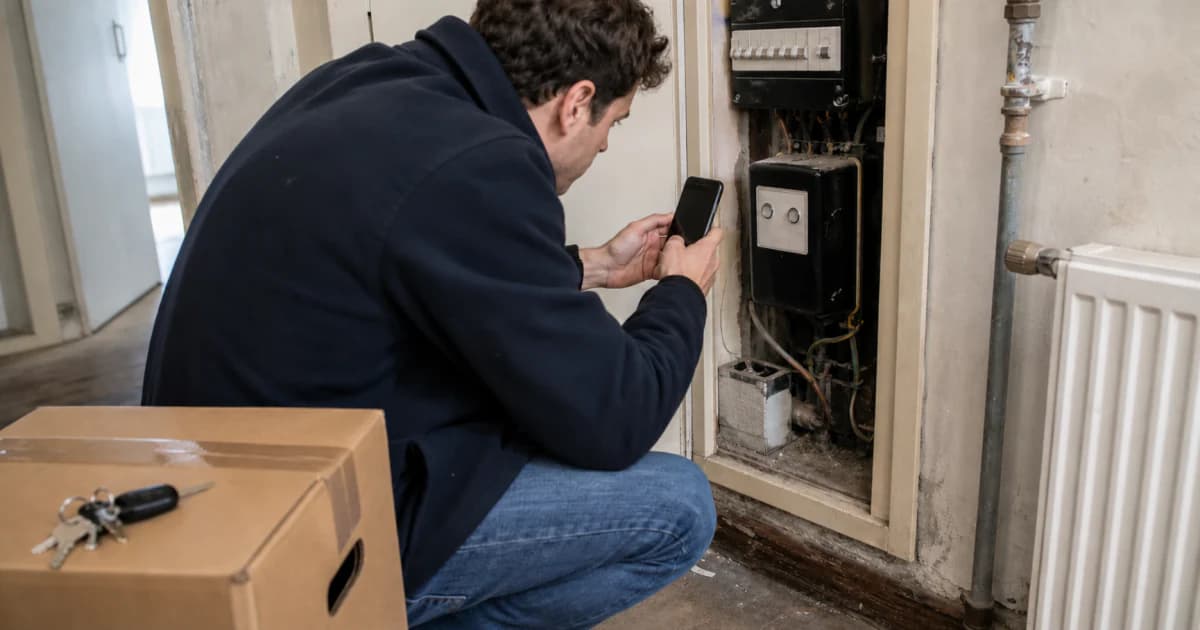
Проверьте в договоре аренды или документах о покупке жилья, какие коммунальные услуги уже включены. Если электричество или газ нужно оформить самостоятельно, сообщите поставщику о переезде не позднее чем за 2 недели или заключите новый договор. Если вам нужен собственный счёт за воду, зарегистрируйтесь в региональной водопроводной компании со дня получения ключей. В этот день сфотографируйте счётчики. При общем отоплении выясните, кто выставляет вам счёт.
Здесь разобран переезд в отдельное жильё. В некоторых комнатах и студиях электричество, газ или вода входят в аренду либо servicekosten (эксплуатационные расходы). Тогда договор с поставщиком заключает арендодатель. Перед подписанием попросите письменно указать, что входит в каждый платёж. В руководстве по договорам аренды разобраны аренда «всё включено» и эксплуатационные расходы.
Выясните, какие услуги уже включены в оплату жилья
Поставщика для индивидуального договора на электричество или газ вы выбираете сами. Водопроводная компания зависит от адреса, а поставщик тепла — от здания. Прочитайте договор аренды, расчёт эксплуатационных расходов или документы о покупке жилья. Найдите услуги, которые нужно оформить на своё имя.
Широкие таблицы можно прокручивать по горизонтали.
| Услуга | С кем оформлять | Что подтвердить |
|---|---|---|
| Электричество или газ по отдельному договору | Leverancier (поставщик энергии), которого выбираете вы | Дату начала, адрес, номера счётчиков и вид договора |
| Питьевая вода | Drinkwaterbedrijf (региональная водопроводная компания), обслуживающая ваш адрес | Дату регистрации и срок передачи показаний |
| Тепло по прямому договору | Поставщик тепла для здания; выбрать его нельзя | Договор, тариф, счётчик и дату начала |
| Тепло через арендодателя или товарищество собственников | Арендодатель или VvE (Vereniging van Eigenaars, товарищество собственников) | Как измеряют расход и рассчитывают оплату |
Перед оформлением газа проверьте, используется ли он в новом жилье. Дом может работать полностью на электричестве или получать тепло от общей системы отопления. Часть услуг может входить в эксплуатационные расходы. Сверьте счётчики, договор аренды и акт передачи жилья. Если данные расходятся, письменно спросите арендодателя, продавца или управляющего до выбора договора.
Оформите поставку со дня получения ключей
Следуйте этим шагам, чтобы даты договоров и показания счётчиков соответствовали дням получения и возврата ключей.
-
- Прочитайте договор аренды или документы о покупке жилья. Выпишите услуги, которые нужно оформить самостоятельно.
-
- Сообщите каждому текущему поставщику энергии о переезде не позднее чем за 2 недели. Если нужен новый поставщик, заключите договор до переезда.
-
- Попросите поставщика подтвердить дату начала поставки по новому адресу.
-
- Если вам нужен собственный счёт за воду, зарегистрируйтесь в региональной компании со дня получения ключей. Страница Rijksoverheid (правительство Нидерландов): поиск водопроводной компании (Внешний сайт, откроется в новой вкладке) объясняет, как найти свою компанию.
-
- В день получения ключей сфотографируйте каждый счётчик электричества, газа, тепла и воды. По возможности впишите номер и показание каждого счётчика в акт передачи жилья.
-
- Передайте поставщику энергии показания счётчиков в течение 5 дней, если они не были отправлены автоматически.
-
- Передайте показания воды в дату, которую укажет водопроводная компания. Сохраните фотографии и подтверждения.
Найдите организацию, которая отвечает за вашу проблему
При индивидуальном договоре на электричество или газ поставщик отвечает за договор и счета. Netbeheerder (сетевой оператор) отвечает за местную сеть и счётчик. Таблица поможет выбрать, кому писать или звонить.
Широкие таблицы можно прокручивать по горизонтали.
| Организация | За что отвечает | По каким вопросам обращаться |
|---|---|---|
| Поставщик энергии | Продаёт электричество или газ и выставляет счёт | Договор, переезд, тариф, показания, счёт или план оплаты |
| Сетевой оператор | Владеет местными кабелями, газовыми трубами, подключением и счётчиком | Авария, повреждение подключения, неисправность счётчика или повторное подключение |
| Водопроводная компания | Подаёт водопроводную воду в своём регионе | Регистрация, водомер, счёт за воду или утечка до водомера |
| Поставщик тепла, арендодатель или VvE | Поставляет тепло или передаёт его жильцам | Договор на тепло, счётчик, авария или годовой расчёт расходов |
Поставщика энергии вы выбираете сами, а сетевого оператора определяет регион. Введите почтовый индекс и номер дома на Mijnaansluiting.nl (поиск сетевого оператора) (Внешний сайт, откроется в новой вкладке). При обычном бытовом договоре сетевые сборы собирает поставщик энергии: они входят в его счёт.
Сравните условия договоров на энергию
За досрочное расторжение фиксированного договора может взиматься плата. У переменных и динамических договоров такой платы нет. ACM ConsuWijzer (служба консультаций для потребителей при Autoriteit Consument & Markt, нидерландском регуляторе рынков) (Внешний сайт, откроется в новой вкладке) объясняет, как меняются тарифы.
Широкие таблицы можно прокручивать по горизонтали.
| Вид договора | Как меняется тариф | Условия расторжения |
|---|---|---|
| Vast (фиксированный) | Тариф за kWh (киловатт-час) электричества или m³ (кубометр) газа неизменен в течение согласованного срока | Возможна плата за досрочное расторжение, если договор описывает расчёт и поставщик несёт убыток |
| Variabel (переменный) | Поставщик может менять тариф по условиям договора. Многие пересматривают его около января и июля | Нет платы за досрочное расторжение как у фиксированного договора. Срок уведомления — максимум 1 месяц |
| Dynamisch (динамический) | Тариф на электричество может меняться раз в 15 минут, раз в час или раз в день, а на газ — ежедневно. Нужен slimme meter (умный счётчик). | Нет платы за досрочное расторжение как у фиксированного договора. Будущую стоимость за год предсказать нельзя |
Сравнивайте предполагаемую стоимость за год целиком. Включите фиксированные сборы и возможную плату за электричество, которое солнечные панели отдают в сеть. Посмотрите предложения на нескольких сайтах сравнения и прочитайте краткие условия договора. Убедитесь, что у поставщика есть лицензия ACM.
Используйте срок отказа в 14 дней
Если договор на энергию заключён онлайн, по телефону или вне помещений, где поставщик ведёт деятельность, с даты заключения действует bedenktijd (срок отказа) в 14 дней. В этот срок можно отказаться от договора письмом или по email. Объяснять причину и платить за расторжение не нужно. Поставщик должен сообщить о сроке отказа и объяснить, как им воспользоваться.
Если поставщик не сообщил обязательные сведения об отказе, срок продлевается на период до 12 месяцев. Если он предоставит эти сведения в течение 12 месяцев с даты заключения договора, у вас будет 14 дней на отказ после их получения.
Если поставка нужна в течение срока отказа, вы должны прямо попросить начать её раньше. При последующем отказе от договора может потребоваться оплатить уже использованную энергию. До получения ключей подтвердите с поставщиком дату начала.
Проверьте, нужно ли письменное согласие на договор, предложенный по телефону
Если поставщик сам звонит вам с предложением нового договора, нужно ваше письменное согласие. Его можно дать на бумаге, по email или онлайн. Письменное согласие не требуется, если вы сами позвонили поставщику, а также при продлении или изменении действующего договора.
Уточните плату за расторжение до смены поставщика
Opzegvergoeding (плата за досрочное расторжение) возможна, если вы прекращаете срочный договор раньше срока. Договор должен предусматривать эту плату и способ её расчёта. Плата покрывает ожидаемый убыток поставщика. Она равна нулю, если текущий тариф поставщика на сопоставимый договор на оставшийся срок не ниже вашего тарифа.
Прежде чем решать, попросите поставщика предварительно рассчитать плату. Окончательная сумма зависит от цены referentieproductaanbod (сопоставимого предложения) в день, когда поставщик получает уведомление о расторжении или смене. После сообщения окончательной суммы поставщик сохраняет её неизменной на 2 месяца.
Переезд или отъезд из Нидерландов не отменяют эту плату автоматически. Срок уведомления о расторжении — максимум 1 месяц. Переход оформляет новый поставщик.
Проверяйте ежемесячные платежи, расчёты и счётчики
Подберите ежемесячный аванс под ваш расход
Многие домохозяйства платят termijnbedrag (ежемесячный аванс). В jaarafrekening (годовом расчёте) поставщик сверяет авансы с фактическим расходом. При слишком низком авансе позже может потребоваться доплатить большую сумму. При слишком высоком часть ваших денег остаётся у поставщика до расчёта. После первых холодных месяцев проверьте данные о расходе. Измените аванс так, чтобы он соответствовал ожидаемым затратам.
Если вы в России или Украине платили за электричество по показаниям за месяц, учтите: termijnbedrag — это аванс. Поставщик сверяет его с фактическим расходом в jaarafrekening.
Проверьте окончательный счёт после переезда или смены поставщика
После переезда или смены поставщика eindafrekening (окончательный счёт) должен прийти в течение 6 недель. Сверьте показания и учтённые в нём платежи со своими записями.
Выберите умный или цифровой счётчик
Сетевые операторы начали заменять оставшиеся аналоговые счётчики электричества и газа 1 января 2026 года. Письмо с датой замены электросчётчика может прийти в 2026 или 2027 году. Можно отказаться от умного счётчика электричества или газа. Тогда нужно принять цифровой счётчик и самостоятельно передавать показания.
Можно также попросить сетевого оператора отключить передачу данных у умного счётчика. Если у вас цифровой счётчик или передача данных отключена, сообщайте показания сами для годового расчёта и при смене поставщика.
Выясните, кто поставляет тепло в ваш дом
Stadsverwarming (районное отопление) подаёт тепло через местную сеть. Blokverwarming (общедомовое отопление) использует один источник тепла для здания или комплекса. Выбрать поставщика тепла нельзя. Отдельно проверьте, нужен ли вам собственный договор на электричество.
Ваши права зависят от того, покупаете ли вы тепло напрямую или получаете его через арендодателя либо VvE. Выясните это до сравнения своего счёта с предельными тарифами ниже.
Широкие таблицы можно прокручивать по горизонтали.
| Как вы получаете тепло | Какие правила действуют | Что проверить |
|---|---|---|
| Вы заключаете договор напрямую с поставщиком тепла | Warmtewet (закон о теплоснабжении) и предельные тарифы ACM действуют для индивидуальных подключений не более 100 kW (киловатт) | Договор, мощность подключения и тариф |
| Тепло поставляет арендодатель | Предельные тарифы ACM не ограничивают напрямую сумму вашего счёта. Действует арендное право | Измерение расхода, расчёт эксплуатационных расходов и годовую сверку |
| Тепло поставляет VvE | Предельные тарифы ACM не ограничивают напрямую сумму вашего счёта. Действуют правила VvE | Измерение расхода, годовой отчёт и периодический взнос |
Если тепло поставляет арендодатель, обычно вы получаете годовой расчёт. Исключение — фиксированная плата за тепло, которая не зависит от расхода. При споре о расходах на отопление проверьте процедуру для вашего договора аренды на странице Huurcommissie (комиссия по спорам об аренде): споры об эксплуатационных расходах (Внешний сайт, откроется в новой вкладке).
Сверьте предельные тарифы на тепло в 2026 году
Эти предельные тарифы 2026 года действуют для прямых клиентов с подключением не более 100 kW. Тепло должно быть готово для отопления и горячей воды. Умножьте тариф за расход на число использованных GJ (гигаджоулей). Затем прибавьте фиксированную плату и плату за измерение один раз за год. Тарифы включают налог.
Широкие таблицы можно прокручивать по горизонтали.
| Плата | Максимум в 2026 году |
|---|---|
| Использованное тепло | 40,97 € за GJ |
| Фиксированная плата за готовое тепло для отопления и горячей воды | 615,66 € в год |
| Измерение расхода тепла | 33,73 € в год |
Для подключений только с отоплением или только с горячей водой действуют другие пределы. Они могут отличаться и для тепла, которое нужно дополнительно нагревать. Найдите свою категорию в Warmtetarieven checker (проверке тарифов на тепло) (Внешний сайт, откроется в новой вкладке) от ACM.
Если жильё получает готовое тепло для отопления и горячей воды, 10 GJ по предельному тарифу 2026 года стоят 409,70 €. Прибавьте две годовые платы: 615,66 € и 33,73 €. Сумма этих трёх платежей — 1 059,09 €. Аренда afleverset (узла подачи тепла) и другие применимые сборы оплачиваются дополнительно. Это пример части расходов, а не расчёт полного счёта. Проверьте тарифы своего поставщика.
Арендодатель или VvE получает защиту по тарифам, когда соблюдены все три условия. У него есть собственный договор с внешним поставщиком тепла. Он передаёт тепло жильцам. Индивидуальное подключение каждого жильца не превышает 100 kW. Это ограничивает счёт поставщика арендодателю или VvE. Это ограничение не устанавливает предельную сумму счёта отдельного жильца. Эти варианты разобраны на странице ACM о правах потребителей тепла (Внешний сайт, откроется в новой вкладке).
Оформите воду и проверьте отдельные водные налоги
Водопроводная компания зависит от вашего адреса. Если нужен собственный счёт, зарегистрируйтесь со дня получения ключей. Если старый и новый адрес обслуживает одна компания, сообщите ей о переезде и передайте оба показания по запросу. Если компании разные, закройте старый счёт и зарегистрируйтесь в новой. Храните фотографии счётчиков до окончательного расчёта по обоим адресам.
Плата за питьевую воду и местные водные налоги покрывают разные услуги. Канализационный сбор — муниципальная плата. Его может взимать муниципалитет или, в некоторых местах, водопроводная компания через счёт за воду. Проверьте, какие платежи включены в ваши счета. При этом несколько налогов могут быть указаны в одном налоговом уведомлении.
Широкие таблицы можно прокручивать по горизонтали.
| Платёж | Кто выставляет | Что оплачивается |
|---|---|---|
| Счёт за питьевую воду | Региональная водопроводная компания | Подача водопроводной воды и связанные сборы |
| Waterschapsbelasting (налог водного управления) | Региональный waterschap (водное управление) или его налоговая служба | Дамбы, уровень и качество воды, очистка сточных вод |
| Rioolheffing (канализационный сбор) | Gemeente (муниципалитет); в некоторых местах водопроводная компания включает сбор в счёт за воду | Местная канализационная сеть |
Руководство по муниципальным налогам и налогам водного управления объясняет, кто платит каждый налог и как просить kwijtschelding (освобождение от уплаты налога). Низкий доход может дать право на освобождение. Но орган, который выставляет налог, также проверяет ваши активы и необходимые расходы.
Решайте проблемы со снабжением и счетами
Если нет света, сначала проверьте причину
Если пропало электричество, сначала проверьте щиток и узнайте, есть ли свет у соседей. О неисправности сети или счётчика сообщите сетевому оператору. Если пришло письмо об отсутствии договора, в тот же день свяжитесь с поставщиком энергии и оператором. Соблюдайте срок из письма и подтвердите дату начала поставки. Когда энергия не входит в оплату жилья, нужен ваш собственный договор. Договор прежнего жильца относится к его счёту.
Исправляйте неверные показания с помощью фотографий
Сравните начальный, годовой или окончательный счёт с датированными фотографиями счётчиков. Проверьте, не помечены ли показания как расчётные. Если показание неверно, отправьте поставщику фото, номер счётчика и дату передачи жилья. Попросите исправленный счёт. Сохраните исходный счёт и письменный ответ.
Обратитесь за помощью до отключения электричества или газа
Если вы не можете оплатить счёт за электричество или газ, действуйте так:
-
- Как только станет ясно, что вы не можете заплатить, свяжитесь с поставщиком и попросите разумный план погашения долга.
-
- Отвечайте на каждое напоминание.
-
- Подайте в gemeente заявление на schuldhulpverlening (помощь с долгами).
-
- Передайте поставщику подтверждение заявления.
-
- Соблюдайте согласованный план оплаты.
До прекращения договора за неуплату поставщик обязан прислать минимум 3 напоминания. После каждого он должен дать не менее 14 дней на оплату.
Поставщик не может прекратить договор за неоплаченные счета, пока действует хотя бы одна из этих мер защиты:
- Вы соблюдаете согласованный план оплаты.
- Ваш долг этому поставщику вовремя включили в процедуру помощи с долгами, и она продолжается.
- Вы вовремя передали подтверждение заявления на помощь с долгами и ждёте решения муниципалитета.
- Вашу жалобу на счёт или оплату рассматривают по процедуре поставщика.
- Ваш спор о счёте или оплате рассматривает орган разрешения споров, в котором состоит поставщик.
- Вы передали поставщику медицинское заключение о себе или другом жильце.
Чтобы получить защиту через помощь с долгами, действуйте в разумный срок после напоминания. Поставщик должен дать не менее 4 недель, чтобы ваш долг перед ним включили в процедуру помощи или чтобы вы передали подтверждение заявления.
Медицинское заключение должно подтверждать, что прекращение поставки создаст очень серьёзный риск для здоровья. Его должен выдать врач, который не лечит человека, подверженного риску. Защита действует, пока сохраняется этот риск.
Поставщик также не может прекратить поставку за неоплаченные счета в первые 4 недели после передачи ваших данных службе помощи с долгами. Эти меры касаются неуплаты. Мошенничество или злоупотребление услугой — отдельное основание для прекращения поставки.
При долге за воду действует отдельная процедура
До отключения воды за неуплату компания обязана прислать письменное напоминание и попытаться связаться с вами лично. В напоминании должны быть сведения о помощи с долгами и защите при риске для здоровья. Компания должна предложить передать ваши данные службе помощи с долгами с вашего письменного согласия. Если после попыток связаться вы не ответили на это предложение, компания обязана передать данные. Это правило при отсутствии ответа не действует, если вы прямо отказались.
Если отключение создаст очень серьёзный риск для вашего здоровья или здоровья другого жильца, передайте медицинское заключение в разумный срок. Врач, который его выдаёт, не должен лечить человека, подверженного риску. Заключение защищает от отключения за неоплаченные счета. Исключения — ваше мошенничество или злоупотребление услугой, а также опасная установка, из-за которой отключение необходимо.
Если воду планируют отключить за неоплату, попросите ёмкости для питьевой воды до отключения. Их объём должен покрывать не менее 4 дней: минимум 3 литра на человека в день. Будьте дома перед отключением, чтобы компания могла их наполнить. Обратитесь в gemeente за помощью с долгами и восстановлением подачи воды.
При выезде перенесите или закройте каждый счёт
Когда вы покидаете жильё, выполните следующие шаги:
-
- Сообщите каждому текущему поставщику энергии о переезде не позднее чем за 2 недели.
-
- Спросите, может ли договор действовать по обоим адресам, если сроки проживания пересекаются.
-
- До расторжения проверьте, будет ли плата за досрочное прекращение фиксированного договора.
-
- В последний день сфотографируйте счётчики.
-
- Передайте поставщику энергии показания счётчиков в течение 5 дней, если они не были отправлены автоматически.
-
- Соблюдайте дату передачи показаний, указанную водопроводной компанией. Если она обслуживает оба адреса, сообщите о переезде. Если компании разные, закройте старый счёт и зарегистрируйтесь в новой.
Храните подтверждения, фотографии счётчиков и первые счета вместе.
Если вы обустраиваете новое жильё, список первых 90 дней ниже поможет с регистрацией, страховкой и банковским счётом.
Интернет и мобильную связь оформляют отдельно от электричества, газа и воды.
Следующие шаги разобраны в этих руководствах:
- Автор
- Автор: Inburgering.org team
- Рецензент
- Проверено: Kirill Svavolia
Официальные источники
- ACM ConsuWijzer: De netbeheerder voor elektriciteit en gas (Внешний сайт, откроется в новой вкладке) - Кто владеет сетью, какие проблемы решает сетевой оператор и почему его нельзя выбрать.
- ACM ConsuWijzer: Tips bij het kiezen van een energieleverancier (Внешний сайт, откроется в новой вкладке) - Условия фиксированных, переменных и динамических договоров и критерии сравнения поставщиков.
- ACM ConsuWijzer: Energiecontract opzeggen (Внешний сайт, откроется в новой вкладке) - Когда возможна плата за досрочное расторжение, как её рассчитывают и каков максимальный срок уведомления.
- ACM ConsuWijzer: Energiecontract vernietigen of annuleren (Внешний сайт, откроется в новой вкладке) - Срок отказа в 14 дней и письменное согласие на договор, предложенный по телефону.
- ACM ConsuWijzer: Energiecontract bij verhuizen (Внешний сайт, откроется в новой вкладке) - Срок уведомления о переезде, договор на два адреса и передача показаний.
- ACM ConsuWijzer: Termijnbedrag (Внешний сайт, откроется в новой вкладке) - Расчёт и изменение ежемесячного аванса и сверка с фактическим годовым расходом.
- Enexis Netbeheer: Ik heb geen energiecontract (Внешний сайт, откроется в новой вкладке) - Процедура одного сетевого оператора: письмо, срок начала поставки и расходы на повторное подключение.
- Rijksoverheid: Mag ik een slimme meter weigeren? (Внешний сайт, откроется в новой вкладке) - Замена аналоговых счётчиков с 2026 года, выбор между умным и цифровым счётчиком и возможность отключить передачу данных.
- Rijksoverheid: Kan ik een energieleverancier kiezen bij blokverwarming of stadsverwarming? (Внешний сайт, откроется в новой вкладке) - Различия районного и общедомового отопления и невозможность выбрать поставщика тепла.
- ACM ConsuWijzer: Maximale warmtetarieven (Внешний сайт, откроется в новой вкладке) - Максимальные тарифы 2026 года для клиентов, которые покупают тепло прямо у поставщика.
- ACM ConsuWijzer: Uw rechten bij stadsverwarming en blokverwarming (Внешний сайт, откроется в новой вкладке) - Различия между прямыми клиентами, арендаторами и членами VvE.
- Rijksoverheid: Moet ik mijn verhuizing melden bij het drinkwaterbedrijf? (Внешний сайт, откроется в новой вкладке) - Поиск региональной компании, уведомление о переезде и передача показаний водомера.
- Rijksoverheid: Taken van een waterschap (Внешний сайт, откроется в новой вкладке) - Отдельные задачи и налоги региональных водных управлений.
- Rijksoverheid: Hoe wordt de riolering en afvalwaterzuivering betaald? (Внешний сайт, откроется в новой вкладке) - Почему муниципальный канализационный сбор и сбор водного управления за очистку стоков оплачиваются отдельно.
- Rijksoverheid: Mag mijn energieleverancier mij afsluiten als ik niet betaal? (Внешний сайт, откроется в новой вкладке) - Напоминания, план оплаты, помощь с долгами и защита при риске для здоровья до прекращения договора.
- Rijksoverheid: Mag mijn drinkwaterbedrijf mij afsluiten als ik niet betaal? (Внешний сайт, откроется в новой вкладке) - Отдельная процедура по долгу за воду и минимальный запас питьевой воды при отключении.
- ACM ConsuWijzer: De energierekening (Внешний сайт, откроется в новой вкладке) - Годовой расчёт, окончательный счёт в течение шести недель после переезда или смены поставщика, сетевые сборы и жалобы на неверные счета.
- ACM ConsuWijzer: Schriftelijk akkoord bij telefonische koop (Внешний сайт, откроется в новой вкладке) - Письменное согласие на новый договор энергоснабжения, предложенный по телефону, и исключения для звонка по инициативе клиента и продления договора.
- Mijnaansluiting.nl: Wie zijn mijn netbeheerders? (Внешний сайт, откроется в новой вкладке) - Поиск операторов по почтовому индексу и номеру дома.
- Rijksoverheid: Wat valt er onder de servicekosten van mijn huurwoning? (Внешний сайт, откроется в новой вкладке) - Услуги через арендодателя, отдельные договоры жильца и различие между базовой арендой и эксплуатационными расходами.
- ACM ConsuWijzer: Vergoeding bij stroomstoring (Внешний сайт, откроется в новой вкладке) - Проверка домашней электропроводки и обращение к сетевому оператору при аварии в сети.
- Vitens (водопроводная компания): Schadeclaim indienen (Внешний сайт, откроется в новой вкладке) - Пример границы ответственности водопроводной компании: сеть до водомера и домашние трубы после него.
- Rijksoverheid: Kwijtschelding van gemeentelijke belastingen (Внешний сайт, откроется в новой вкладке) - Заявление об освобождении от налогов; учитываются доходы, активы и необходимые расходы.
- Staatsblad (официальный бюллетень) 2018, 311: поправки к Warmtewet (Внешний сайт, откроется в новой вкладке) - Предел мощности 100 kW, исключения для арендодателей и VvE, косвенная защита по тарифам и измерение тепла.
- Staatscourant (правительственная газета) 2025, 37730: Energieregeling (правила энергоснабжения) (Внешний сайт, откроется в новой вкладке) - Статьи 2.22–2.23: предварительный расчёт и окончательная плата за досрочное расторжение, которая остаётся неизменной два месяца. Статьи 2.43–2.46: напоминания, планы оплаты, жалобы, помощь с долгами и независимое медицинское заключение.
- Staatscourant 2012, 7964: правила отключения воды (Внешний сайт, откроется в новой вкладке) - Напоминания и попытки связаться, независимое медицинское заключение об очень серьёзном риске для здоровья и исключения при мошенничестве или злоупотреблении со стороны клиента либо опасной установке, из-за которой отключение необходимо.
- Staatscourant 2018, 26271: запас воды перед отключением (Внешний сайт, откроется в новой вкладке) - Право запросить и наполнить ёмкости до отключения и изменённые правила передачи данных службе помощи с долгами.
- Huurcommissie: споры об эксплуатационных расходах (Внешний сайт, откроется в новой вкладке) - Проверка годового расчёта: сначала попросить арендодателя исправить счёт, затем проверить условия обращения в Huurcommissie для своего сектора аренды и даты договора.
- ACM ConsuWijzer: Aanbod op maat voor energie (Внешний сайт, откроется в новой вкладке) - Для динамического договора нужен умный счётчик.
- RDI (регулятор цифровой инфраструктуры): Vervanging oude energiemeter (Внешний сайт, откроется в новой вкладке) - Письмо с датой замены электросчётчика может прийти в 2026 или 2027 году.
- RDI: Kies uw nieuwe energiemeter (Внешний сайт, откроется в новой вкладке) - Цифровой или умный счётчик, самостоятельная передача показаний и отключение связи.
- Staatsblad 2025, 12: Energiewet (закон об энергетике) (Внешний сайт, откроется в новой вкладке) - Статья 3.53: при малом подключении можно отказаться от счётчика электричества или газа с передачей данных и получить счётчик без неё.
- Staatsblad 2014, 140: права потребителей (Внешний сайт, откроется в новой вкладке) - Статьи Гражданского кодекса 6:230o, 6:230s и 6:230v: срок отказа, продление до 12 месяцев при отсутствии обязательных сведений об отказе, прямой запрос на раннюю поставку и оплата использованной энергии.
- ACM ConsuWijzer: De slimme meter (Внешний сайт, откроется в новой вкладке) - Самостоятельная передача показаний для годового расчёта и смены поставщика при цифровом счётчике или отключённой связи.
- ACM ConsuWijzer: Warmtetarieven checker (Внешний сайт, откроется в новой вкладке) - Поиск категории предельного тарифа, в том числе для тепла, которое нужно дополнительно нагревать, и подачи холода.
- Vitens: Rekeningen (Внешний сайт, откроется в новой вкладке) - В некоторых муниципалитетах Vitens взимает муниципальный канализационный сбор через счёт за воду.
- ГИС ЖКХ (государственная информационная система жилищно-коммунального хозяйства) России: показания и расчёт коммунальных платежей (Внешний сайт, откроется в новой вкладке) - Счётчики фиксируют расход за календарный месяц; передача показаний позволяет платить за фактически использованную электроэнергию.
- НКРЕКП (украинский регулятор энергетики и коммунальных услуг): ежемесячные показания электросчётчика (Внешний сайт, откроется в новой вкладке) - Электроэнергию обычно рассчитывают за календарный месяц, а переданные фактические показания используют для начисления оплаты.