
Şimdi hangi hizmete ihtiyacın var?
Bebeğinin ilk on gününde sağlığıyla ilgili sorular için verloskundige ile görüş. Diğer hastalıklar veya ağrı için huisarts (aile hekimi) ile iletişime geç. Çocuğun büyümesi ve Rijksvaccinatieprogramma (RVP, Ulusal Aşı Programı) aşıları (Harici site, yeni sekmede açılır) için jeugdgezondheidszorg (JGZ, çocuk ve genç sağlığı hizmeti) (Harici site, yeni sekmede açılır) kuruluşuna, küçük çocuklar için de consultatiebureau (çocuk sağlığı kliniği) hizmetine başvur; bu bakım ücretsizdir. GGD (bölgesel halk sağlığı kurumu), oturum izni için tüberküloz (TB) testlerini ve enfeksiyon kontrolünü yürütür. Bölgesel cinsel sağlık randevuları, seyahat aşıları ve ücretler için GGD bulucuyu (Harici site, yeni sekmede açılır) kullan.
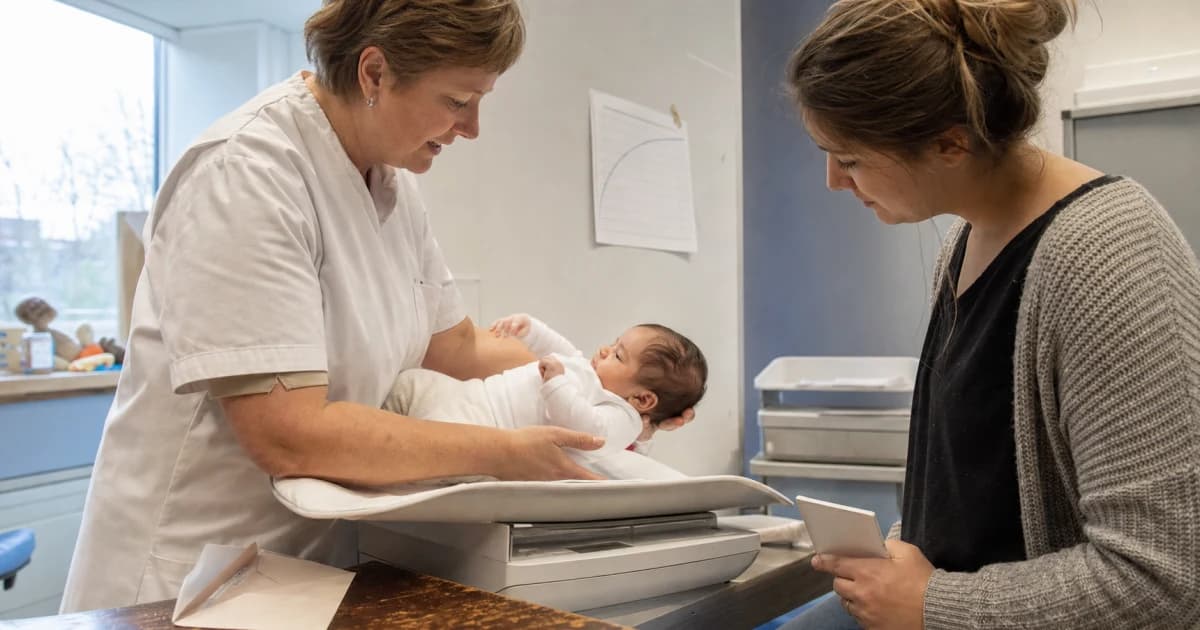
Bu rehber Hollanda’ya yeni taşınanlar ve ebeveynler içindir. GGD, Gemeentelijke Gezondheidsdienst (belediye halk sağlığı hizmeti) adının kısaltmasıdır. Consultatiebureau (Harici site, yeni sekmede açılır), JGZ kapsamında küçük çocuklara koruyucu bakım sunar. Gemeente (belediye), JGZ hizmetini kendi GGD’si, bir Centrum voor Jeugd en Gezin (CJG, Çocuk ve Aile Merkezi) veya başka bir kuruluş aracılığıyla sağlar. Huisarts hastalıkları teşhis ve tedavi eder.
Hangi hizmete başvurmalısın?
Soruna göre tablodan başvuracağın hizmeti seç. Aşı ve hastalık muayenesi için aynı merkeze gitmeye alışkınsan, burada önce hangi hizmeti arayacağını kontrol et. Randevu almadan önce kendi sağlayıcının randevu kurallarını ve varsa ücretini öğren.
Geniş tabloları yatay olarak kaydırabilirsin.
| İhtiyacın | İlk başvuracağın hizmet | Temel sınır veya ücret |
|---|---|---|
| Çocuğun büyümesi, gelişimi, ebeveynlik veya RVP aşısı | Yerel JGZ; küçük çocuklar için consultatiebureau | Koruyucu JGZ bakımı ve program aşıları ücretsizdir |
| Hastalık, ağrı, belirtiler veya teşhis | Huisarts; bebeğinin ilk on gününde sağlığı için verloskundige | Hollanda’da temel sağlık sigortan varsa huisarts muayenesi karşılanır; testlerin, ilaçların ve hastane bakımının başka masrafları olabilir |
| Gebelik, doğum veya doğumdan sonraki ilk haftalar | Verloskundige; gebelikle ilgili olmayan hastalıklar için huisarts | GGD randevusu yerine doğum bakımına başvur |
| Okul sağlığı daveti | Yerel JGZ kuruluşu | Koruyucu kontrol ücretsiz ve gönüllüdür |
| Oturum izni için TB testi | Bölgesel GGD | Yalnızca oturum izni talimatları gerekli olduğunu söylüyorsa; randevu, test ve ücret için kendi GGD’ne sor |
| Bulaşıcı hastalık teması hakkında GGD araması | Arama veya mektupta belirtilen GGD | Araştırma talimatlarını izle; hastalık için huisarts’a başvur |
| Cinsel yolla bulaşan enfeksiyon (CYBE) testi veya cinsel sağlık sorusu | Herkes için huisarts; kriterleri karşılıyorsan ve yer varsa GGD cinsel sağlık merkezi | GGD’nin kabul ettiği bakım ücretsizdir; huisarts üzerinden laboratuvar testleri eigen risico (zorunlu muafiyet tutarı) kapsamına girebilir |
| Seyahat danışmanlığı veya seyahat aşısı | GGD’lerin çoğu veya özel aşı kliniği | Genellikle ücretli; fiyatları ve sigortanın geri ödemesini kontrol et |
| Acil veya hayati tehlike oluşturan bakım | Huisarts, huisartsenpost (mesai dışı aile hekimi merkezi) veya 112 | GGD ya da JGZ randevusu yerine bu acil başvuru yollarını kullan |
Halk sağlığı ve çocuk sağlığı hizmetlerini kim sunar?
Gemeente, sakinlerin ve doğumların kaydını tutar. Yerel halk sağlığı ve JGZ’den sorumludur. 25 bölgesel GGD bulaşıcı hastalıklarla mücadele eder, halk sağlığını izler ve başka bölgesel hizmetler sunar. JGZ çocukların fiziksel, ruhsal ve sosyal gelişimini takip eder. Huisarts kişisel sağlık sorunlarını tedavi eder. RIVM (Ulusal Halk Sağlığı ve Çevre Enstitüsü) (Harici site, yeni sekmede açılır), RVP gibi ulusal programları düzenler ve halk sağlığı verilerini alır.
JGZ sağlayıcını gemeente’nin sitesinden bul. Yetişkin halk sağlığı hizmetleri için GGD bulucuyu kullan. Bölgende bu hizmetleri farklı kuruluşlar sunabilir.
Bebeğin doğduktan sonra ne olur?
Bebeğinin doğumunu üç gün içinde doğduğu belediyeye kaydettir. Doğum günü bu süreye dâhil değildir. Hafta sonu ve resmî tatiller, en az iki iş günün olacak şekilde son tarihi uzatabilir. Belediye, JGZ’nin yenidoğan taramalarını düzenleyebilmesi için bebeğin bilgilerini RIVM’ye gönderir.
Hielprik (topuk kanı testi) normalde ilk hafta, genellikle evde veya hastanede yapılır. Bebeğine yedi gün içinde test yapılmadıysa topuk kanı testi iletişim sayfasında (Harici site, yeni sekmede açılır) belirtilen bölgesel RIVM ofisini ara. Gehoortest (işitme testi) de genellikle ilk hafta evde yapılır. Bazı bölgeler bebeği birkaç hafta sonra kliniğe davet eder. Her iki test de ücretsiz ve gönüllüdür.
Consultatiebureau normalde bebeğini yaklaşık bir aylıkken davet eder. Jeugdarts (çocuk ve genç sağlığı doktoru) veya jeugdverpleegkundige (çocuk ve genç sağlığı hemşiresi) büyüme ve gelişimi kaydeder. Beslenme, uyku, dil ve ebeveynlik konularını görüşürler. RVP aşılarını yapar ve ek destek için çocuğunu yönlendirebilirler. JGZ koruyucu bakım sunar. Bebeğinin ilk on gününde sağlığıyla ilgili sorunlar için verloskundige ile görüş. Daha sonra hastalık veya yeni belirtiler için huisarts’ı ara.
Okul sağlığı kontrolünde ne olur?
JGZ ilkokul ve ortaöğretim boyunca devam eder. Davette çocuğunun anket dolduracağı, ölçümlerinin yapılacağı veya çocuk ve genç sağlığı uzmanıyla görüşeceği belirtilir. Katılım gönüllüdür. Okul kontrol için bir oda ayırabilir ve kontrolün zamanını belirleyebilir. Muayeneyi JGZ yapar. Okul, çocuğunun kişisel sonucunu almaz. Soruların veya itirazların varsa davetteki JGZ kuruluşuna başvur.
Çocuğunun sağlık dosyasını kim görebilir?
Digitaal Dossier Jeugdgezondheidszorg (DD JGZ, Dijital Çocuk ve Genç Sağlığı Dosyası), çocuğunun büyüme, gelişim ve JGZ notlarını içerir. Dosyayı yalnızca çocuğunla ilgilenen JGZ doktoru, hemşiresi veya asistanı açabilir. Huisarts, hastane, okul veya gemeente dosyaya otomatik erişemez. JGZ, başka bir sağlık kuruluşuyla bilgi paylaşmadan önce normalde onay ister. Zorunlu bulaşıcı hastalık bildirimi için gerekli bilgiler onaysız paylaşılabilir. Aile içi şiddeti veya çocuk istismarını araştırmak ya da durdurmak için gereken bilgiler de onaysız paylaşılabilir.
Sağlık çalışanları istismardan şüphelendiğinde meldcode (aile içi şiddet ve çocuk istismarı bildirim protokolü) kullanmak zorundadır. Süreç kaygıları görüşmeyi, danışmayı ve Veilig Thuis (aile içi şiddet ve çocuk istismarı danışma ve bildirim hizmeti) kuruluşuna bildirim yapmayı içerebilir. Rijksoverheid (Hollanda hükümeti) çocuk güvenliği sayfası (Harici site, yeni sekmede açılır) üzerinden anonim danışmanlık isteyebilirsin. Çocuk doğrudan tehlikedeyse 112’yi ara.
Çocuğunun aşılarını nasıl ayarlarsın?
RVP’yi RIVM düzenler, aşıları JGZ yapar. Program aşıları ücretsiz ve gönüllüdür. Aşıların yapıldığı yaşlar ve kullanılan ürünler değişebilir. Çocuğuna hangi aşıların sunulduğunu güncel RIVM aşı takviminden (Harici site, yeni sekmede açılır) kontrol et. Davette yer ve saat belirtilir. Randevuyu değiştirmek veya aşı hakkında konuşmak için davetteki JGZ ile iletişime geç.
Çocuğun yurt dışından Hollanda’ya yerleştiğinde bölgesel RIVM ofisi aşı kaydının bir kopyasını ister. Ardından çocuğunun hâlâ yaptırabileceği aşıların listesini gönderir. Yanıt vermezsen RIVM çocuğunun yaşına göre davet gönderir. Başka dilde olsa bile yurt dışındaki tüm aşı kayıtlarını getir. Kayıt isteği veya davet gelmezse kayıtları nasıl göndereceğini yerel JGZ’ye sor. Çocuğunun hangi aşılara ihtiyacı olduğunu JGZ değerlendirsin.
Gebelikte ve doğumdan sonra kime başvurursun?
Gebelik, doğum ve doğumdan sonraki ilk haftalar için ilk başvuracağın kişi verloskundige’dir. Gebelik testin pozitif çıktıktan sonra huisarts sevki olmadan ebe kliniğine kaydolabilirsin. De Verloskundige (Harici site, yeni sekmede açılır), gebelikte huisarts’ın görevini açıklar. Doğumdan sonraki ilk on gün bebeğinle ilgili kaygılarda ebenin yönlendirmesini izle. Kendi sağlığın hakkında doğumdan sonraki altı haftaya kadar ebeye danışabilirsin. Ebe ilk dönemde bakımı devrettikten sonra hastalıklarla huisarts ilgilenir. Consultatiebureau büyüme, gelişim ve aşıları takip eder. Gebelik ve doğum rehberi, doğum öncesi taramaları, doğum kaydını ve doğum bakımını açıklar.
Oturum izni için TB testini nasıl ayarlarsın?
IND (Immigratie- en Naturalisatiedienst, Göç ve Vatandaşlığa Kabul Dairesi) TB şartları (Harici site, yeni sekmede açılır) bazı normal oturum izni başvuru sahipleri için geçerlidir. Vatandaşlık, yaş ve yakın zamanda Hollanda’da yapılmış test muafiyet nedenleri arasındadır. Kendi durumun için güncel listeyi kontrol et. İltica oturum izinlerinde farklı şartlar geçerlidir.
IND niyet beyanını imzaladıysan oturum iznini aldıktan sonraki üç ay içinde testi yaptırmalısın. Süreyi kaçırman iznin iptaline yol açabilir. Tamamlanan sevk formunun da aynı üç ay içinde IND’ye ulaşması gerekir. Şu adımları izle:
- Randevu almadan önce IND TB sevk formu 7604’ün (PDF, yaklaşık 300 KB) (Harici site, yeni sekmede açılır) 1. bölümünü mümkün olduğunca doldur.
- Son tarihe yetişecek şekilde bölgesel GGD’den erkenden randevu al.
- Sevk formunu randevuya götür.
- GGD’den tamamlanan formu IND’ye zamanında gönderdiğini doğrulamasını iste.
Durumuna uygun teste GGD karar verir. Ücret, belgeler, ödeme, erişilebilirlik ve varsa takip hakkında kendi GGD’ne sor. Başka bölgenin ücreti veya test yöntemi farklı olabilir.
GGD bir enfeksiyon hakkında seni neden aradı?
Doktorlar ve laboratuvarlar belirli bulaşıcı hastalıkları GGD’ye bildirmek zorundadır. GGD riski değerlendirir, kaynağı araştırır ve temaslıların bilgiye ya da koruyucu önlemlere ihtiyacı olup olmadığına karar verir. Hasta olduğun veya hastalığa maruz kaldığın için sana ulaşabilir. Arama ya da mektuptaki talimatları izle. Hastaysan veya tedavi gerekiyorsa huisarts’ı ara. RIVM ulusal izleme için kimlik bilgilerinin kodlarla değiştirildiği bir bildirim alır; kim olduğunu bilmez.
GGD’de ücretsiz CYBE testi yaptırabilir misin?
Cinsel yolla bulaşan enfeksiyon (CYBE) testi veya cinsel sağlık sorunu için huisarts’a başvurabilirsin. GGD’deki Centrum Seksuele Gezondheid (CSG, Cinsel Sağlık Merkezi) belirli gruplara ek bakım sunar. Hem CYBE riskinin yüksek olması hem de huisarts’a başvurmanın önünde bir engel olması gerekir. 25 yaş altındakiler hedef gruplardan biridir; ancak yaş tek başına test randevusunu garanti etmez. Ulusal bütçenin bir üst sınırı vardır. Hizmete erişim, kriterlere ve uygun randevu bulunmasına bağlıdır. Kliniğe gitmeden önce bölgesel GGD’nin kriterlerini kontrol et.
GGD bu program kapsamında seni kabul ederse oradaki görüşme, test ve gereken tedavi ücretsizdir. Anonim bakım isteyebilirsin. Kriterleri karşılamıyorsan veya GGD’de yer yoksa huisarts’a başvur. Hollanda temel sağlık sigortan varsa huisarts muayenesi zorunlu muafiyet tutarından düşmez. Laboratuvar testleri veya ilaçlar bu tutara girebilir.
25 yaşından küçüksen Sense (cinsel sağlık danışmanlık hizmeti) (Harici site, yeni sekmede açılır), cinsellik hakkında ücretsiz ve gizli görüşmeler sunar; bölgesel adresleri de listeler. Özel klinikten randevu almadan önce ücretini öğren.
Seyahat aşısı için nereden randevu alırsın?
GGD’lerin çoğu seyahat danışmanlığı ve aşı sunar. GGD Reisvaccinaties (GGD seyahat aşıları) (Harici site, yeni sekmede açılır), katılan merkezleri, ülke bilgilerini ve randevu yollarını listeler. Özel aşı kliniği de bir seçenektir. Seyahat aşıları genellikle ücretsiz ulusal programların dışında kalır. Sağlayıcına görüşme ve aşı ücretlerini sor. Sigortan bazı masrafları geri ödeyebilir; randevu almadan önce poliçeni kontrol et.
Randevuyla ilgili sorun yaşarsan ne yaparsın?
Davet gelmezse veya taşınırsan ne yaparsın?
Doğum kaydı veya Basisregistratie Personen (BRP, Kişisel Kayıtlar Veritabanı) kaydı, kuruluşların davet göndermesine yardımcı olur. Çocuk sağlığı daveti gelmezse gemeente sitesinden yerel JGZ’yi bul ve randevu iste. Taşındıktan sonra hem eski hem yeni JGZ kuruluşuna haber ver. DD JGZ dosyasını nasıl aktaracaklarını sor. Yeni sağlayıcı aldığını doğrulayana kadar aşı belgelerini ve yurt dışındaki kayıtları sakla. Yenidoğan topuk kanı testi için yukarıdaki yedi günlük iletişim kuralını izle.
Dil veya erişilebilirlik desteğini nasıl istersin?
Randevudan önce sağlayıcıya dil, iletişim, hareket veya duyusal destek ihtiyacını bildir. Sağlayıcı tercümana ihtiyaç duyup duymadığını değerlendirir. Tercümanın profesyonel olması gerekip gerekmediğini de değerlendirir. Tercümanı kimin ayarlayacağını ve ücret ödeyip ödemeyeceğini sor. Onay, cinsel sağlık, çocuk güvenliği ya da başka karmaşık veya hassas görüşmeler için profesyonel tercüman iste. Bir çocuğu tercüman olarak kullanmaktan kaçın. Tercüman rehberi, acil olduğu açıkça belli olan durumlarda veya basit taleplerde istisnalara izin verir.
Sağlık hizmeti hakkında nasıl şikâyet edersin?
Hizmeti veren kuruluştan sorunu açıklamasını veya düzeltmesini iste. Bu işe yaramazsa bağımsız klachtenfunctionaris (şikâyet görevlisi) ile görüşmeyi iste. Sağlayıcıyla doğrudan konuşmak istemiyorsan da şikâyet görevlisine başvurabilirsin. Bu yardım ücretsizdir. Topuk kanı veya işitme testinin uygulanışıyla ilgili şikâyet için testi yapan kuruluşa başvur. Ulusal program hakkında RIVM ile iletişime geç. Yazışmaların kopyalarını, tarihleri, isimleri ve sağlayıcıdan neyi değiştirmesini istediğini sakla.
Acil tıbbi yardım için kimi ararsın?
Klinik açıkken acil tıbbi yardım için huisarts’ı ara. Bu saatlerin dışında önce bölgesel huisartsenpost’u ara. Hayati tehlikede 112’yi ara. Gebelikte veya doğumdan sonraki ilk günlerde ebe kliniğinin acil numarasını da kullan ve talimatlarını izle. Acil bakım rehberi, bu başvuru yollarını ve masrafları açıklar.
Diğer halk sağlığı hizmetleri için GGD bulucuya posta kodunu girerek başla. Çocuklarda koruyucu bakım için gemeente sitesinden JGZ’yi bul. Randevu almadan önce doğru sağlayıcıya ulaştığını ve varsa ücreti kontrol et.
Kayıt ve okul işlemleri için şu rehberlere devam et:
- Yazar
- Yazan Inburgering.org team
- İnceleyen
- İnceleyen Kirill Svavolia
Resmi Kaynaklar
- GGD GHOR Nederland (halk sağlığı ve bölgesel acil tıp hizmetlerinin ulusal birliği): Wat doet een GGD (Harici site, yeni sekmede açılır) - 25 bölgesel GGD’nin ülke genelindeki rolü, yasal halk sağlığı görevleri, belediyenin sorumluluğu ve ek hizmetlerde bölgesel farklılıklar.
- GGD GHOR Nederland: Jeugdgezondheidszorg (Harici site, yeni sekmede açılır) - Ücretsiz koruyucu çocuk ve genç sağlığı hizmeti, consultatiebureau ve okul çağı hizmetleri; belediyenin GGD, CJG veya başka bir JGZ kuruluşunu kullanabilmesi.
- GGD.nl: Bölgesel GGD’ni bul (Harici site, yeni sekmede açılır) - Sorumlu bölgesel GGD’yi posta kodu veya yer adına göre bulma.
- Rijksoverheid: 0–4 yaşındaki çocuğun sağlığı ve gelişimiyle ilgili sorular (Harici site, yeni sekmede açılır) - Ücretsiz consultatiebureau danışmanlığı, büyüme ve gelişim takibi, aşılar ve doğumdan yaklaşık bir ay sonra gelen davet.
- Rijksoverheid: Dijital çocuk ve genç sağlığı dosyası nedir? (Harici site, yeni sekmede açılır) - DD JGZ’nin içeriği, dosyaya kimlerin erişebildiği, paylaşım için onay ve okul çağı JGZ’sine devir.
- Rijksoverheid: Doğum nasıl kaydedilir? (Harici site, yeni sekmede açılır) - Doğumu üç gün içinde kaydettirme yükümlülüğü ile hafta sonu ve resmî tatillerde sürenin uzaması.
- PNS (RIVM’nin doğum öncesi ve yenidoğan taramaları sitesi): Topuk kanı testi (Harici site, yeni sekmede açılır) - Test zamanı, ev ve hastane uygulamaları, gönüllü katılım, ücret, sonuçlar, gizlilik ve test yedi gün içinde yapılmazsa izlenecek yol.
- PNS: İşitme testi (Harici site, yeni sekmede açılır) - Test zamanı, bölgesel ev veya klinik uygulamaları, gönüllü katılım, ücret, sonuçlar, kayıtlar ve takip.
- RIVM: Ulusal Aşı Programı (Harici site, yeni sekmede açılır) - Güncel aşı takvimi, gönüllü katılım, ücretsiz program aşıları ve MijnRIVM (aşı ve tarama kayıtlarını görebildiğin kişisel hesap).
- Rijksvaccinatieprogramma: İletişim, kayıt ve davetler (Harici site, yeni sekmede açılır) - Aşı ve kimlik bilgileriyle veri paylaşımı için ayrı onay, merkezî davetler ve yurt dışındaki aşı kayıtlarının işlenmesi.
- De Verloskundige: Ebe randevuları (Harici site, yeni sekmede açılır) - Ebenin gebelik, doğum ve doğum sonrası görevleri; doğumdan sonra bakımın huisarts ve consultatiebureau’ya devri.
- IND: Herkes için geçerli şartlar (Harici site, yeni sekmede açılır) - Normal oturum izinlerinde güncel TB testi şartı ve muafiyet türleri.
- IND: TB testi yaptırma niyet beyanı (7603) (Harici site, yeni sekmede açılır) - İzni aldıktan sonraki üç aylık süre, oturum iznine olası etkisi ve sevk formuna ilişkin talimat.
- RIVM: Bulaşıcı hastalıkların zorunlu bildirimi (Harici site, yeni sekmede açılır) - Doktor ve laboratuvarların bildirim yükümlülüğü, GGD’nin kaynak ve temaslı araştırması, koruyucu önlemler ve RIVM’ye kimlik bilgileri yerine kodlarla yapılan bildirim.
- Rijksoverheid: Cinsel sağlık hizmetleri (Harici site, yeni sekmede açılır) - Herkese açık huisarts yolu ve randevu durumuna bağlı olarak belirli gruplara ücretsiz veya anonim tamamlayıcı GGD hizmeti.
- RIVM: Aanvullende Seksuele Gezondheidszorg (ASG, tamamlayıcı cinsel sağlık hizmetleri) (Harici site, yeni sekmede açılır) - Hedef gruplar, öncelik kuralları, gençlere uygulanan test politikası ve GGD cinsel sağlık hizmetlerinin bütçe sınırı.
- Sense: Yardım ve danışmanlık (Harici site, yeni sekmede açılır) - Bölgesel cinsel yolla bulaşan enfeksiyon testi adresleri ve 25 yaş altındakilere ücretsiz, gizli cinsel sağlık görüşmeleri.
- GGD GHOR Nederland: Seyahat sağlığı hizmetleri (Harici site, yeni sekmede açılır) - GGD’lerin hepsinde değil, çoğunda seyahat danışmanlığı ve aşı; bölgesel randevu yolu.
- Rijksoverheid: Aşılar ücretsiz mi? (Harici site, yeni sekmede açılır) - Hangi kamu aşı programlarının ücretsiz olduğu; seyahat aşıları ve program dışı aşıların genellikle ücretli olması ve olası geri ödeme.
- Rijksoverheid: Sağlık dosyasının paylaşılması (Harici site, yeni sekmede açılır) - Sağlık bilgilerini paylaşmada normal onay kuralı ile halk sağlığı ve güvenliğe ilişkin istisnalar.
- Rijksoverheid: Çocuk istismarı şüphesinde ne yapılır? (Harici site, yeni sekmede açılır) - Doğrudan tehlikede 112’yi arama ve Veilig Thuis’tan anonim danışmanlık alma.
- KNMG (Hollanda Kraliyet Tabipler Birliği): Sağlık hizmetlerinde tercüman kullanımı kalite standardı (Harici site, yeni sekmede açılır) - Sağlayıcının tercüman ihtiyacını değerlendirmesi, profesyonel tercüman gereken durumlar ve çocukların yetişkinlere neden tercümanlık yapmaması gerektiği.
- Rijksoverheid: Doktor veya sağlık kuruluşu hakkında şikâyet (Harici site, yeni sekmede açılır) - Önce sağlayıcıyla görüşme yolu ve ücretsiz bağımsız şikâyet görevlisi.
- Rijksoverheid: Mesai dışı aile hekimi merkezi mi, hastane acili mi? (Harici site, yeni sekmede açılır) - Önce mesai dışı aile hekimi merkezini arama ve hayati tehlikede 112’yi arama.
- Rijksoverheid: Aile hekimi faturasındaki masraflar (Harici site, yeni sekmede açılır) - Huisarts muayenesinin zorunlu muafiyet tutarından düşmemesi; test, ilaç ve sevk edilen sağlık hizmetlerinin bu tutara girebilmesi.
- IND: TB testi sevk formu (7604) (Harici site, yeni sekmede açılır) - Randevu almadan önce 1. bölümü doldurma, formu GGD’ye götürme ve tamamlanan formun oturum izni alındıktan sonraki üç ay içinde IND’ye ulaşmasını sağlama.
- De Verloskundige: Gebelikte ve doğumdan sonra aile hekiminin rolü (Harici site, yeni sekmede açılır) - Huisarts sevki olmadan ebe kliniğine doğrudan kayıt; gebelikle ilgisiz hastalıkların huisarts tarafından tedavisi.
- NCJ (Hollanda Çocuk ve Genç Sağlığı Merkezi): Basispakket Jeugdgezondheidszorg (temel çocuk ve genç sağlığı hizmet paketi) (Harici site, yeni sekmede açılır) - JGZ’nin büyüme ve gelişim takibi, beslenme, uyku ve ebeveynlik danışmanlığı; gerektiğinde ek destek veya sevk.
- Rijksoverheid: Meldcode huiselijk geweld en kindermishandeling (Harici site, yeni sekmede açılır) - Uzmanların bildirim protokolü adımları: belirtileri değerlendirme, danışma, kaygıları görüşme ve yardım ya da bildirim konusunda karar verme.
- Rijksvaccinatieprogramma: Verdiğin onay (Harici site, yeni sekmede açılır) - Aşı ve kimlik bilgileriyle veri paylaşımı için ayrı onay; kimlik bilgilerini paylaşmadan aşı olabilme.
- GGD Reisvaccinaties: Seyahat danışmanlığı ve randevular (Harici site, yeni sekmede açılır) - Katılan GGD merkezleri, ülke bilgileri, randevular ve GGD’ye göre ücretler.
- IND: TB testinden muafiyet eki (7644) (Harici site, yeni sekmede açılır) - Oturum izni için TB testinden muaf tutulan vatandaşlıkların güncel listesi.
- GGD Amsterdam: IND için TB muayenesi (Harici site, yeni sekmede açılır) - Amsterdam’daki randevu, belgeler, ücretler ve test yöntemleri; bu bölge dışında kendi GGD’nin talimatlarını kullanma.
- GGD GHOR Nederland: Birlik hakkında (Harici site, yeni sekmede açılır) - Birlik, belediye halk sağlığı hizmetlerini ve bölgesel acil tıp kuruluşlarını temsil eder.
- KNMG: Hollanda Kraliyet Tabipler Birliği hakkında (Harici site, yeni sekmede açılır) - KNMG’nin resmî İngilizce adı.