
Register nearby and call the GP for most health problems
Once you are settled, ask a nearby huisartsenpraktijk (GP practice) to register you. Insured GP care has no compulsory eigen risico (deductible). Call your practice for an appointment or urgent advice. If it is closed and your problem cannot wait, contact the huisartsen-spoedpost (out-of-hours GP service). Call 112 for life-threatening danger.
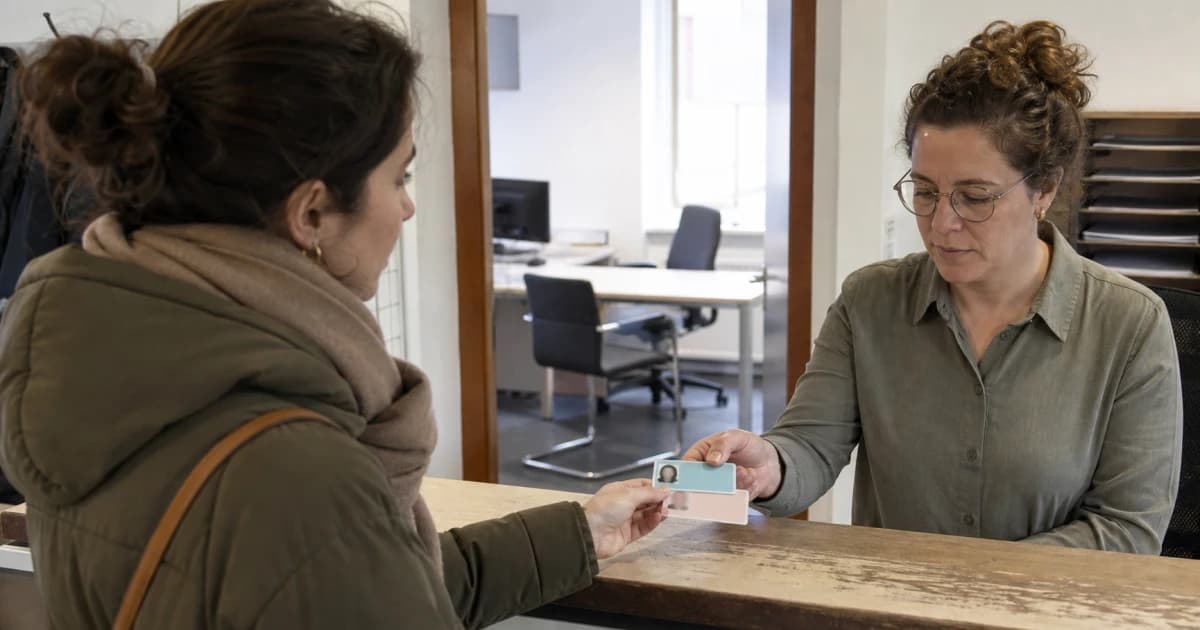
This guide is for newcomers living in the Netherlands, including people who are still arranging documents or insurance. Your huisarts is the first contact for most physical and mental-health problems. Registration gives you one practice that keeps an overview of your health and coordinates follow-up care. You can also access some care directly, as the table below shows. If you need emergency help, use the urgent-care routes even if you are not registered.
Register with a nearby practice
Registration with a GP is recommended, not compulsory. Rijksoverheid (Dutch government) guidance on choosing a GP (External site, opens in a new tab) explains the rule. Follow these steps to find a practice:
- Find three practices near your postcode.
- Ask each practice whether it accepts patients from your address.
- Check whether the practice has a contract with your insurer for your policy.
- Submit the registration in the way the practice requests.
A full practice, too much travel distance or care wishes the GP cannot agree to can be grounds for refusal. Prepare the following information and documents. Ask the practice which ones it needs for registration; bring medical records and medicine details to your first visit:
- Your home address and postcode
- A valid passport, identity card, residence document or other accepted identification
- Your burgerservicenummer (citizen service number, BSN)
- Your insurer’s name, policy number and policy type
- Medical records you already have, plus a current medicine and allergy list
- The apotheek (pharmacy) where you want prescriptions sent
Some practices offer online registration. Ask whether the practice uses a form or offers an introductory appointment to discuss your needs.
If you change GP later, tell both practices and ask the old practice to send your record to the new one. Record transfer needs your approval.
If you are an asylum seeker in COA reception, contact GZA (asylum-seeker healthcare service) for GP care. Your healthcare is arranged through RMA (asylum-seeker medical-care scheme). Covered care has no deductible or personal contribution. Provider, referral and authorisation rules still apply.
Book an appointment and explain your symptoms
Practices set their own phone, portal and opening arrangements. Thuisarts (Dutch medical advice website) guidance on GP appointments (External site, opens in a new tab) explains the options. You can call for advice. Many practices also offer online appointments or an e-consult (secure online consultation). A doktersassistent (GP assistant) asks about your symptoms to assess urgency and choose who you need to see and the appointment type. The assistant is medically trained and bound by confidentiality.
When speaking to the assistant, cover these points as they apply to you:
- Say what the problem is, when it started and what has changed
- Mention medicines, allergies, pregnancy and recent travel when relevant
- Say clearly if you are worried about a specific danger or rapid worsening
- Ask for more time when you have several problems or need language support
- Ask what change means you should call again, and how soon
A standard GP consultation usually lasts 10 to 15 minutes. Ask for 20 or 30 minutes when you need more time. The practice decides what it can schedule.
Home visits are for urgent cases or people who cannot attend for medical reasons. Ask the assistant about a home visit if this applies to you.
You may bring someone to your appointment. Thuisarts guidance on GP visits (External site, opens in a new tab) explains how to discuss your expectations. The doctor should give clear information and decide with you. Ask: What are my options? What are the benefits and risks? What does that mean for me? Before leaving, repeat the plan in your own words and confirm when to call back.
Arrange language support
Tell the practice when you need language support. Ask whether the clinician can use your language or arrange a professional interpreter. An adult you trust may support you if the practice agrees. Avoid asking a child to interpret sensitive medical information.
For asylum seekers, the GP can arrange a free interpreter using the number on the COA-zorgpas (asylum healthcare card). For Ukrainian refugees, the free interpreter route covers Ukrainian or Russian. For other patients, a regional fund may pay. If no regional fund is available, the GP bears the interpreter cost. Ask the practice which route it uses. The Nederlandse Zorgautoriteit (Dutch Healthcare Authority, NZa) (External site, opens in a new tab) describes these funding routes.
Know which care starts with the GP
Your GP handles most health questions. The table shows which care starts elsewhere and when you may need a referral. Direct access does not guarantee insurance coverage.
You can scroll wide tables sideways.
| Question or care | Usual first contact | Referral | Cost to check |
|---|---|---|---|
| Physical symptoms, mental health, a child’s health or chronic disease | Your GP practice | No referral to see the GP | Insured GP care does not use the compulsory deductible |
| Routine pregnancy and birth care | A verloskundige (midwife) | Usually direct access | Check maternity-care coverage and possible contributions |
| Dental care | A tandarts (dentist) | No GP referral | Routine adult check-ups are outside basic insurance; some treatments are covered |
| Physiotherapy, dietetics and similar services | The relevant provider | Usually direct access; exceptions and policy rules exist | Coverage depends on the service and policy |
| Hospital care from a medisch specialist (medical specialist) | Your GP or another treating doctor allowed by your policy | A valid referral is normally required; urgent specialist care is an exception | The compulsory deductible and policy conditions usually apply |
| Urgent problem while the GP is closed | The local out-of-hours GP service | Contact first; it can refer you to the emergency department | The GP service has no compulsory deductible; hospital emergency care usually does |
For planned hospital care, check the Zorginstituut Nederland (Dutch National Health Care Institute) specialist-care rules (External site, opens in a new tab) before booking. A valid verwijzing (referral) is normally required. Your GP or another treating doctor allowed by your policy can refer you. Your policy also sets provider-choice rules. Urgent specialist care is an exception to the referral requirement. Without a valid referral, the medisch specialist may postpone care or you may have to pay. You cannot claim a self-paid visit from the insurer later.
The GP gives a referral only when it is medically needed. The GP must explain a refusal. Say what worries you, ask about alternatives and agree when to call again.
If you doubt a diagnosis or treatment, discuss a second opinion. Ask the treating doctor for a referral. The Rijksoverheid second-opinion rules (External site, opens in a new tab) require the treating doctor to cooperate unless there are serious objections. The doctor must explain those objections. Ask your insurer about reimbursement first.
For milder mental-health problems, the GP may work with a POH-GGZ (mental-health practice support worker). Specialist geestelijke gezondheidszorg (mental-health care, GGZ) usually needs a referral. Ask which provider is contracted, how long you may wait and what you may pay.
If illness or disability affects your inburgering (civic integration) exams, see adapted exams for illness or disability.
Discuss medicines and repeat prescriptions
Register with a nearby apotheek so the GP knows where to send prescriptions. Give both the GP and pharmacy a list of all prescribed, over-the-counter and foreign medicines.
Dutch doctors may suggest waiting to see whether a minor illness improves without medicine, especially when antibiotics would not help. Ask how recovery should progress and when to call again.
Repeat prescriptions may use a separate phone line, email address or portal. The GP approves the request before sending the prescription to the pharmacy.
Separate GP care from tests, medicines and hospital care
GP and out-of-hours GP care have no compulsory deductible with a basisverzekering (Dutch basic health-insurance policy). For people aged 18 or older, the compulsory deductible is €385 in 2026. Rijksoverheid guidance on GP costs (External site, opens in a new tab) explains which costs can use that amount.
You can scroll wide tables sideways.
| Care | Compulsory deductible? | Check before care |
|---|---|---|
| Consultation with your contracted GP | No | The insurer normally pays the practice directly |
| Out-of-hours GP service | No | Use it only for urgent care that cannot wait and contact first |
| Blood tests, imaging or other diagnostics ordered by the GP | Usually yes | Ask who performs the test and check the policy |
| Prescription medicine | Usually yes | Coverage, preferred products and a personal contribution can also apply |
| Treatment by a medisch specialist or in a hospital | Yes | Check referral, provider contract and any prior authorisation |
| Hospital emergency department | Yes | For life-threatening danger call 112; otherwise contact the GP first |
For children under 18, basic-package care has no compulsory deductible. Coverage limits and personal contributions can still differ by service.
For example, an insured GP consultation in 2026 leaves your €385 compulsory deductible untouched. If the GP then orders a blood test, the test can use your remaining deductible.
A provider without a contract with your insurer may leave part of the bill to you, depending on your policy. Without Dutch insurance, or if the practice cannot bill your insurer directly, you may have to pay first. Ask for the rate and an itemised invoice, then ask your insurer about reimbursement. The eigen risico guide explains the money rules. The health-insurance coverage guide explains common gaps.
Choose the urgent-care route before travelling
Choose the service by urgency and whether your practice is open. If there is life-threatening danger, call 112. Contact the GP service before travelling for other urgent problems.
You can scroll wide tables sideways.
| Situation | Contact | What to do |
|---|---|---|
| Life-threatening danger | 112 | Call immediately, day or night |
| Urgent problem on a weekday between 08:00 and 17:00 | Your GP practice or its urgent line | Call first; the assistant assesses urgency |
| Urgent problem when the practice is closed and it cannot wait | Local out-of-hours GP service | Call or use its stated contact route before attending |
| Problem that can safely wait until the next working day | Your own GP practice | Use the practice’s normal appointment route |
Thuisarts guidance on emergencies (External site, opens in a new tab) explains whom to contact. Out-of-hours phone numbers and online contact options differ by region. Save the local number from your practice website or answering machine. If you are unsure whether a problem can wait, call the relevant GP service for advice. Follow its instructions about where to go. For life-threatening danger, call 112.
For a mental-health crisis, contact the GP or out-of-hours GP service immediately. The service can involve the regional crisis team. If you are thinking about suicide, 113 Zelfmoordpreventie (Suicide Prevention) (External site, opens in a new tab) offers free anonymous phone and chat help day and night. The 113 phone number works from within the Netherlands. If anyone is in immediate danger, call 112.
Use your patient rights and protect your medical record
The GP, assistant and other practice staff have a duty of confidentiality. Tell them about sensitive symptoms, medicines, violence, substance use or mental health when it affects care. Ask who will receive information before you agree to a referral or electronic exchange. You have these patient rights:
- Receive clear information and decide together. You may refuse a proposed treatment.
- Ask to inspect or copy your medical record. You can also ask who has viewed it.
- Ask to correct factual errors.
- Ask about a second opinion and the referral or insurance conditions.
If you disagree with information in your medical record, you can ask to add your own statement.
The provider must act within one month of your request to inspect or copy your medical record. It may withhold information that would harm another person’s privacy, but must explain why. The Rijksoverheid medical-record access rules (External site, opens in a new tab) set this deadline and exception.
Electronic exchange with another provider normally needs your consent. Some disclosures are allowed or required without it. Ask the practice what you agreed to share and how to change that choice. Ask what the out-of-hours service can see. The consent rules for sharing medical records (External site, opens in a new tab) list the exceptions. Rijksoverheid patient-rights guidance (External site, opens in a new tab) covers privacy and confidentiality.
Solve common registration and document problems
If you cannot register or your documents are incomplete, use the option that fits your situation below.
What if no nearby practice accepts you?
Try these contacts and actions if practices cannot register you:
- Contact several practices with your postcode and insurer details. Say that you have no GP.
- Ask your insurer for care mediation and keep the case number.
- Ask your gemeente (municipality) whether a cliëntondersteuner (independent client supporter) can help.
- Ask for the reason if a practice refuses you.
If the reason for refusal seems invalid, contact your insurer or the regional Zorgbelang (patient-support organisation) (External site, opens in a new tab). Its website lists the regional organisations.
Everyone in the Netherlands has a right to GP care. You cannot force one specific full practice to register you. Keep asking your insurer for help finding a practice. If your health problem becomes urgent, use the urgent-care route while registration is unresolved.
What if you need care before registering?
Ask a nearby practice whether it can offer a one-time passantenconsult (consultation for a non-registered patient). The NZa rules say this rate is for incidental and acute care when your own GP cannot reasonably provide it. Ask the practice how it will bill you. Ask your insurer what it will reimburse. Keep the invoice. For urgent care when practices are closed, contact the out-of-hours GP service first.
What if you have no BSN or Dutch insurance?
Tell the practice which identification, registration and insurance documents you have. The practice may ask you to pay first. Keep an itemised invoice and ask your insurer or scheme about reimbursement. Insurance duties and exceptions differ for residents, workers, students, visitors and people covered by special schemes. The health-insurance guide explains the deadline and exceptions.
Urgent medical help comes before identification. Rijksoverheid says you must then show identification within 14 days after treatment. Call 112 for life-threatening danger even if your paperwork is incomplete.
Without lawful residence, you cannot obtain ordinary Dutch basic health insurance. You can receive medically necessary care; your doctor decides what is necessary. You normally pay the costs yourself. Tell the provider if you cannot pay and ask whether the CAK reimbursement scheme applies.
Use the right complaint route
If you disagree with a care decision, ask the GP to explain it, the alternatives and when to call again. For problems with conduct, communication, privacy or care quality, use the Rijksoverheid healthcare complaint route (External site, opens in a new tab). The usual order is below. You can go straight to the klachtenfunctionaris (complaints officer) if you prefer not to speak to the GP or practice.
- Raise the issue with the GP or practice and say what outcome you want.
- Ask the practice for its free, independent klachtenfunctionaris.
- If the complaint remains unresolved, ask the provider which recognised geschilleninstantie (healthcare disputes body) it belongs to.
- Submit a case to that body if you want it to decide the complaint.
The provider must handle your complaint within 6 weeks. It may extend once by 4 weeks.
A healthcare disputes body’s decision binds both sides; a court cannot reconsider the complaint itself afterwards.
For complaints about coverage, care mediation or a bill from the insurer, complain to the insurer first. If the problem remains unresolved, follow the Rijksoverheid health-insurer complaint route (External site, opens in a new tab) to SKGZ.
For professional-conduct complaints, the healthcare complaint page also explains the tuchtcollege (disciplinary tribunal). It lists the Landelijk Meldpunt Zorg (national healthcare complaints advice point) (External site, opens in a new tab) for advice.
Keep your GP contact details ready
Save your practice’s appointment number, urgent line, repeat-prescription route and local out-of-hours number. Note who to contact for language support, longer appointments, record access or a complaint. Use the urgent-care route if your problem cannot wait for registration.
Use these guides for insurance rules and arrival tasks:
Official Sources
- Thuisarts: Role of the GP in the Netherlands (External site, opens in a new tab) - The GP is the first contact for physical and mental health. The GP coordinates care and records and is the usual link to medisch specialisten in hospitals.
- Thuisarts: For what questions can I see my GP? (External site, opens in a new tab) - Examples of GP care, the assistant’s role, and care usually arranged directly, such as dental, physiotherapy and perinatal care.
- Thuisarts: Choosing a GP (External site, opens in a new tab) - How to find and register with a practice, common refusal grounds, the documents to bring, pharmacy registration and transfer of records.
- Thuisarts: Asking questions and making an appointment (External site, opens in a new tab) - Practice contact methods, the assistant’s assessment of urgency, e-consult limits, typical consultation length, longer appointments and home visits.
- Thuisarts: What happens during a GP visit? (External site, opens in a new tab) - How to prepare, bring a support person, discuss expectations, decide together and rely on medical confidentiality.
- Thuisarts: Use of medication in the Netherlands (External site, opens in a new tab) - Why Dutch doctors may prescribe less medication, when waiting to see whether symptoms improve is appropriate, and how to discuss concerns about antibiotics or no prescription.
- Thuisarts: In case of emergency (External site, opens in a new tab) - The routes for 112, the weekday GP, the out-of-hours GP service, mental-health crises and suicidal thoughts.
- Thuisarts: What does it cost to visit the GP? (External site, opens in a new tab) - GP reimbursement, possible costs with a GP who has no contract with your insurer, direct payment without Dutch insurance, and possible medicine or test costs.
- Rijksoverheid: Choosing or changing a GP (External site, opens in a new tab) - Registration is recommended but not compulsory, practices may refuse in stated situations, and the insurer can help search and mediate.
- Rijksoverheid: When is a referral letter needed? (External site, opens in a new tab) - Specialist-care referral rules, self-pay consequences, the GP’s duty to explain refusal, and direct-access allied health professions.
- Zorginstituut Nederland: Care from a medisch specialist under the Zorgverzekeringswet (Health Insurance Act, Zvw) (External site, opens in a new tab) - A referral can come from the GP or another treating doctor allowed by the policy, urgent specialist care is an exception, and policy conditions and the deductible apply.
- Rijksoverheid: Do I pay GP costs myself? (External site, opens in a new tab) - GP and out-of-hours GP care do not use the compulsory deductible, while ordered tests and prescribed medicines can do so.
- Rijksoverheid: When does the compulsory deductible apply? (External site, opens in a new tab) - The compulsory deductible is €385 in 2026 for adults, GP care is excluded, and children under 18 have no compulsory deductible.
- Rijksoverheid: Out-of-hours GP or hospital emergency department? (External site, opens in a new tab) - Contact the out-of-hours GP service before attending the hospital emergency department, except in a life-threatening emergency when 112 is the route.
- Rijksoverheid: Identification in healthcare (External site, opens in a new tab) - Patients must show valid ID in healthcare. Urgent help comes first; identification must follow within 14 days. Providers check the citizen service number.
- Rijksoverheid: Mental-health help through the GP or GGZ (External site, opens in a new tab) - The GP and mental-health practice support worker can treat milder problems and refer to mental-health care when needed.
- SKGZ: No GP—what now? (External site, opens in a new tab) - Steps when no practice can register you: contact several practices, ask the insurer for mediation, ask the municipality for support, or request a one-time consultation.
- Nederlandse Zorgautoriteit: Rules for a passant consultation (External site, opens in a new tab) - The passant rate is for incidental and acute care when care by the patient’s own GP is not reasonably available.
- Rijksoverheid: Rights and duties during medical treatment (External site, opens in a new tab) - Rights to clear information, shared decisions, refusal, records, privacy and a second opinion.
- Rijksoverheid: Access to your medical record (External site, opens in a new tab) - Patients can inspect or copy their record and find out who viewed it. Providers must act within one month; another person’s privacy can limit access.
- Rijksoverheid: Consent for sharing a medical record (External site, opens in a new tab) - How consent for record sharing works and examples of limited situations in which sharing without consent is allowed or required.
- Rijksoverheid: How to obtain a second opinion (External site, opens in a new tab) - Discuss a second opinion with the treating doctor, request a referral, and check insurer reimbursement.
- Rijksoverheid: Complaining about a doctor or healthcare institution (External site, opens in a new tab) - The route through the provider, free klachtenfunctionaris, six-week response period, possible four-week extension and recognised disputes body.
- Rijksoverheid: Complaining about a health insurer (External site, opens in a new tab) - Complain to the insurer first and use SKGZ if the insurer’s handling does not resolve the dispute.
- 113 Suicide Prevention: English help (External site, opens in a new tab) - Free anonymous phone and chat help day and night, with 112 for immediate danger and the 113 phone number available from within the Netherlands.
- Thuisarts: Planning an introductory appointment with a GP (External site, opens in a new tab) - An introductory appointment lets you discuss personal needs before deciding whether to register.
- Thuisarts: Contact with the GP practice (External site, opens in a new tab) - Dutch guidance on contact options, e-consult limits and GP approval of repeat prescriptions.
- Thuisarts: Advice during pregnancy (External site, opens in a new tab) - Contact a midwife directly for routine pregnancy care and tell treating doctors and the pharmacist you are pregnant.
- Nederlandse Zorgautoriteit: Interpreter funding (External site, opens in a new tab) - GP interpreter funding for asylum seekers with a COA care-card number, Ukrainian refugees using Ukrainian or Russian, and other patients. Without a regional fund, the GP bears the cost.
- KNMG (Royal Dutch Medical Association): Interpreter guidance (External site, opens in a new tab) - The linked professional standard explains interpreter choices and advises against children interpreting sensitive medical information.
- Rijksoverheid: Correcting a medical record (External site, opens in a new tab) - Ask to correct inaccurate or incomplete information and add a personal statement if you disagree with a diagnosis.
- Rijksoverheid: Dental-care coverage (External site, opens in a new tab) - Routine dental check-ups for adults are outside basic insurance; some dental treatments are covered.
- Rijksoverheid: Basic health-insurance package in 2026 (External site, opens in a new tab) - Coverage and deductible rules for GP, hospital, dental and allied-health care; maternity-care contributions and policy differences.
- Rijksoverheid: Medicine reimbursement (External site, opens in a new tab) - Medicine coverage, preferred products, medical-need exceptions, deductible and possible personal contributions.
- Zorginstituut Nederland: Direct access to primary care (External site, opens in a new tab) - Primary care such as a GP or tandarts can be accessed without a referral.
- Rijksoverheid: Who needs Dutch basic health insurance (External site, opens in a new tab) - Insurance duties and exceptions for people living or working in the Netherlands, foreign students and people covered through international organisations.
- Zorgbelang: Regional patient support (External site, opens in a new tab) - Regional organisations and their contact details for patient advice and support.
- Regionaal Tuchtcollege voor de Gezondheidszorg (Regional Healthcare Disciplinary Tribunal): Medical-record statement (External site, opens in a new tab) - Paragraphs 5.16–5.17 confirm that a patient’s statement can be added about disputed information in a medical record, even when the doctor disagrees.
- Landelijk Meldpunt Zorg: Advice about healthcare complaints (External site, opens in a new tab) - Information and advice on healthcare complaints, with official contact options.
- Rijksoverheid: Hoe is de gezondheidszorg van asielzoekers geregeld? (External site, opens in a new tab) - If you are an asylum seeker in COA reception, contact GZA (asylum-seeker healthcare service) for GP care. Your healthcare is arranged through RMA (asylum-seeker medical-care scheme). Covered care has no deductible or personal contribution. Provider, referral and authorisation rules still apply.
- Regelhulp: Onverzekerbare vreemdelingen (External site, opens in a new tab) - Without lawful residence, you cannot obtain ordinary Dutch basic health insurance. You can receive medically necessary care; your doctor decides what is necessary. You normally pay the costs yourself. Tell the provider if you cannot pay and ask whether the CAK reimbursement scheme applies.
- RMA: Regeling Medische zorg Asielzoekers (External site, opens in a new tab) - If you are an asylum seeker in COA reception, contact GZA (asylum-seeker healthcare service) for GP care. Your healthcare is arranged through RMA (asylum-seeker medical-care scheme). Covered care has no deductible or personal contribution. Provider, referral and authorisation rules still apply.
- Thuisarts: Iemand die ik goed ken heeft een psychische crisis. Wat moet ik doen? (External site, opens in a new tab) - Urgent contact with the treating professional or GP service during a mental-health crisis.