
Peça cadastro perto de casa e ligue para o médico de família
Depois de se instalar, peça cadastro em uma huisartsenpraktijk (clínica de medicina de família) próxima. O atendimento do huisarts (médico de família) coberto pelo seguro não usa o eigen risico (franquia obrigatória). Ligue para a clínica para marcar consulta ou pedir orientação urgente. Se estiver fechada e o problema não puder esperar, contate o huisartsen-spoedpost (serviço de medicina de família fora do horário). Em risco de vida, ligue 112.
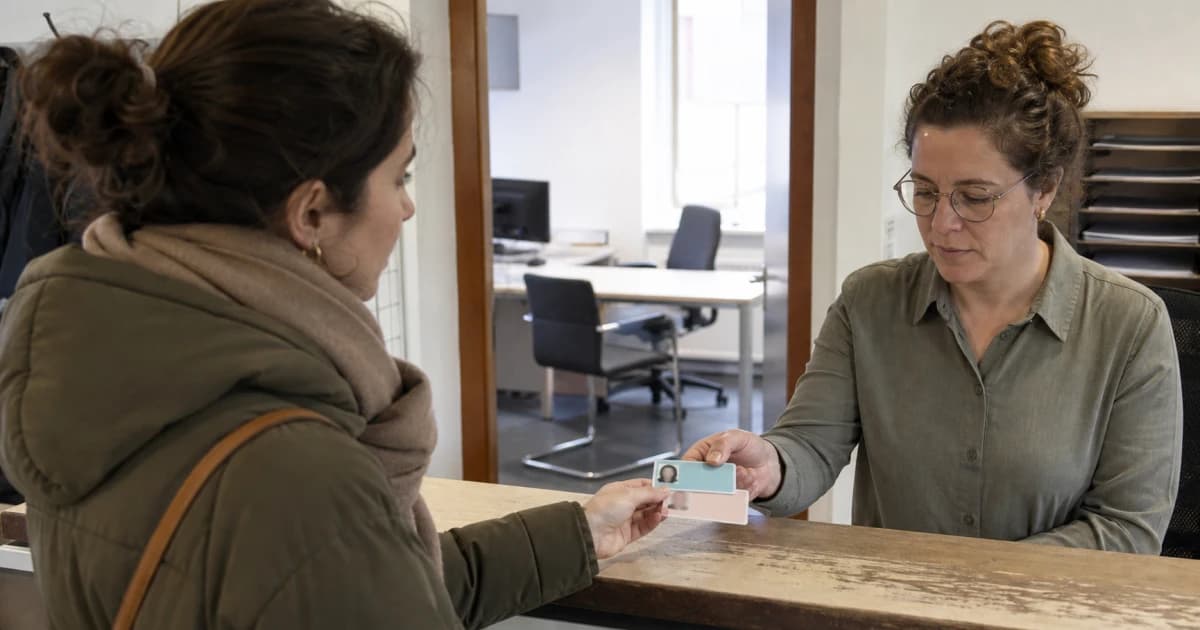
Este guia ajuda quem passou a morar nos Países Baixos, inclusive quem ainda está organizando documentos ou seguro. O huisarts atende a maioria dos problemas físicos e de saúde mental. Ao se cadastrar, você passa a ter uma clínica que acompanha seu histórico e coordena os próximos cuidados. Alguns serviços podem ser procurados diretamente, como mostra a tabela mais adiante. Se precisar de ajuda urgente, use as rotas de urgência mesmo sem cadastro.
Peça cadastro em uma clínica perto de casa
Você não é obrigado a se cadastrar com um huisarts, mas o cadastro é recomendado. A orientação da Rijksoverheid (governo dos Países Baixos) sobre a escolha de um huisarts (Site externo, abre em uma nova aba) explica essa regra. Para encontrar uma clínica, siga estes passos:
Se você conhece a Unidade Básica de Saúde (UBS) no Brasil ou o centro de saúde do Serviço Nacional de Saúde (SNS) em Portugal, a clínica do huisarts também pode ser seu ponto de partida para o cuidado. Nos Países Baixos, peça cadastro à clínica e confira o contrato dela com sua seguradora.
- Procure três clínicas próximas do seu código postal.
- Pergunte a cada uma se aceita pacientes do seu endereço.
- Confira se a clínica tem contrato com sua seguradora para o tipo de apólice que você possui.
- Envie o pedido de cadastro pelo meio indicado pela clínica.
Uma clínica pode recusar o cadastro se estiver lotada, se você morar longe demais ou se o médico não concordar com o atendimento que você deseja. Separe os dados e documentos abaixo. Pergunte quais são necessários para o cadastro. Leve o prontuário e as informações sobre medicamentos à primeira consulta.
- Seu endereço e código postal
- Passaporte, carteira de identidade, documento de residência ou outra identificação válida e aceita
- Seu burgerservicenummer (número de identificação do cidadão, BSN)
- Nome da seguradora, número e tipo da apólice
- Prontuários que você já possui e uma lista atual de medicamentos e alergias
- A apotheek (farmácia) para a qual quer enviar as receitas
Algumas clínicas aceitam cadastro online. Pergunte se você deve preencher um formulário ou se pode marcar uma consulta inicial para conversar sobre suas necessidades.
Se mudar de huisarts, avise as duas clínicas. Peça à anterior que envie seu prontuário à nova. Essa transferência exige sua autorização.
Se você solicita asilo e vive em um alojamento do COA, procure GZA (serviço de saúde para solicitantes de asilo) para atendimento de clínico geral. Seus cuidados são organizados pelo RMA (regime de assistência médica para solicitantes de asilo). Os cuidados cobertos não têm franquia nem coparticipação. Continuam valendo as regras sobre prestadores, encaminhamentos e autorizações.
Marque a consulta e explique seus sintomas
Cada clínica define seus telefones, portal e horários. A orientação do Thuisarts (site de orientação médica dos Países Baixos) sobre consultas (Site externo, abre em uma nova aba) apresenta as opções. Você pode ligar para pedir orientação. Muitas clínicas também oferecem agendamento online ou e-consult (consulta por mensagem em ambiente seguro). A doktersassistent (assistente da clínica) pergunta sobre os sintomas para avaliar a urgência. Ela decide com qual profissional e em que tipo de consulta você será atendido. A assistente tem formação na área da saúde e dever de sigilo.
Ao falar com a assistente, explique o que se aplica ao seu caso:
- Diga qual é o problema, quando começou e o que mudou
- Mencione medicamentos, alergias, gravidez e viagens recentes quando tiverem relação com o problema
- Explique se teme um risco específico ou uma piora rápida
- Peça mais tempo se tiver vários problemas ou precisar de apoio com o idioma
- Pergunte quais mudanças exigem uma nova ligação e em quanto tempo
A consulta padrão costuma durar de 10 a 15 minutos. Se precisar de mais tempo, peça uma consulta de 20 ou 30 minutos. A clínica decide o que pode agendar.
As visitas domiciliares atendem casos urgentes ou pessoas que não conseguem ir à clínica por razões médicas. Se for seu caso, pergunte à assistente sobre essa opção.
Você pode levar alguém à consulta. A orientação do Thuisarts para a consulta com o huisarts (Site externo, abre em uma nova aba) explica como conversar sobre suas expectativas. O médico deve informar com clareza e decidir junto com você. Pergunte: “Quais são minhas opções?”, “Quais são os benefícios e riscos?” e “O que isso significa para mim?”. Antes de sair, explique o plano com suas próprias palavras e confirme quando deve ligar de novo.
Organize apoio para entender e se comunicar
Avise a clínica se precisar de apoio com o idioma. Pergunte se o profissional fala sua língua ou se pode organizar um intérprete profissional. Um adulto de confiança pode ajudar se a clínica concordar. Evite pedir que uma criança interprete informações médicas sensíveis.
Para solicitantes de asilo, o huisarts pode organizar um intérprete gratuito usando o número do COA-zorgpas (cartão de atendimento de saúde para solicitantes de asilo). Para refugiados ucranianos, a opção gratuita cobre ucraniano ou russo. Para outros pacientes, um fundo regional pode pagar. Se não houver esse fundo, o huisarts arca com o custo do intérprete. Pergunte à clínica qual opção ela usa. A Nederlandse Zorgautoriteit (autoridade de saúde dos Países Baixos, NZa) (Site externo, abre em uma nova aba) explica essas formas de financiamento.
Saiba quando começar pelo médico de família
O huisarts atende a maioria das questões de saúde. A tabela mostra quais cuidados costumam começar em outro serviço e quando pode ser necessário um encaminhamento. Poder procurar um profissional diretamente não garante que o seguro cubra o atendimento.
Você pode rolar as tabelas largas na horizontal.
| Questão de saúde ou cuidado | Primeiro contato habitual | Encaminhamento | Custo a conferir |
|---|---|---|---|
| Sintomas físicos, saúde mental, saúde de uma criança ou doença crônica | Sua clínica de huisarts | Não é preciso encaminhamento para o huisarts | O atendimento coberto pelo seguro não usa a franquia obrigatória |
| Acompanhamento de rotina da gravidez e do parto | Uma verloskundige (profissional que acompanha gravidez e parto) | Normalmente, acesso direto | Confira a cobertura de maternidade e possíveis contribuições |
| Atendimento odontológico | Um tandarts (dentista) | Sem encaminhamento do huisarts | Consultas de rotina para adultos ficam fora do seguro básico; alguns tratamentos têm cobertura |
| Fisioterapia, nutrição e serviços semelhantes | O profissional correspondente | Normalmente, acesso direto; há exceções e regras da apólice | A cobertura depende do serviço e da apólice |
| Atendimento hospitalar com um medisch specialist (médico especialista) | Seu huisarts ou outro médico responsável permitido pela apólice | Normalmente, exige encaminhamento válido; atendimento especializado urgente é uma exceção | A franquia obrigatória e as condições da apólice costumam se aplicar |
| Problema urgente com a clínica fechada | Serviço local de huisarts fora do horário | Entre em contato primeiro; o serviço pode encaminhar ao pronto-socorro | O serviço de huisarts não usa a franquia obrigatória; o pronto-socorro hospitalar geralmente usa |
Antes de marcar atendimento hospitalar programado, confira as regras da Zorginstituut Nederland (instituto nacional de saúde dos Países Baixos) para atendimento especializado (Site externo, abre em uma nova aba). Normalmente, é preciso uma verwijzing (guia de encaminhamento) válida. O huisarts ou outro médico responsável permitido pela apólice pode encaminhar você. A apólice também define quais prestadores você pode escolher. Atendimento especializado urgente é uma exceção à exigência de encaminhamento. Sem uma guia válida, o medisch specialist pode adiar o atendimento, ou você pode ter de pagar. Uma consulta paga por conta própria não pode ser reembolsada depois pela seguradora.
O huisarts só encaminha quando há necessidade médica. Se recusar o pedido, deve explicar o motivo. Conte o que preocupa você, pergunte sobre alternativas e combine quando ligar de novo.
Se tiver dúvidas sobre um diagnóstico ou tratamento, converse sobre uma segunda opinião. Peça encaminhamento ao médico responsável. Pelas regras da Rijksoverheid sobre segunda opinião (Site externo, abre em uma nova aba), o médico deve colaborar, salvo se houver objeções graves. Ele deve explicar essas objeções. Antes, pergunte à seguradora sobre o reembolso.
Para problemas mais leves de saúde mental, o huisarts pode trabalhar com um POH-GGZ (profissional de apoio em saúde mental da clínica). O atendimento especializado de geestelijke gezondheidszorg (saúde mental, GGZ) costuma exigir encaminhamento. Pergunte qual prestador tem contrato com a seguradora, qual é a espera e quais custos podem ficar com você.
Se uma doença ou deficiência afetar seus exames de inburgering (integração cívica), consulte o guia de exames adaptados por doença ou deficiência.
Converse sobre medicamentos e renovação de receitas
Cadastre-se em uma apotheek próxima para o huisarts saber onde enviar as receitas. Entregue ao médico e à farmácia uma lista de todos os medicamentos que você usa: prescritos, de venda livre e trazidos de outros países.
Para uma doença leve, médicos nos Países Baixos podem recomendar observar a melhora sem medicamento. Isso ocorre, por exemplo, quando antibióticos não ajudariam. Pergunte como a recuperação deve evoluir e em quais situações ligar novamente.
A renovação de receitas pode ter uma linha telefônica, e-mail ou área do portal própria. O huisarts precisa aprovar o pedido antes de enviar a receita à farmácia.
Confira os custos da consulta e dos cuidados seguintes
Com uma basisverzekering (seguro básico de saúde holandês), o atendimento do huisarts e o atendimento de medicina de família fora do horário não usam a franquia obrigatória. Para pessoas com 18 anos ou mais, a franquia é de € 385 em 2026. A orientação da Rijksoverheid sobre custos do huisarts (Site externo, abre em uma nova aba) explica quais despesas podem usar esse valor.
Você pode rolar as tabelas largas na horizontal.
| Atendimento | Usa a franquia obrigatória? | Confira antes |
|---|---|---|
| Consulta com um huisarts que tem contrato com sua seguradora | Não | A seguradora normalmente paga a clínica diretamente |
| Serviço de huisarts fora do horário | Não | Use apenas para urgências que não podem esperar e entre em contato antes |
| Exame de sangue, imagem ou outros exames pedidos pelo huisarts | Geralmente, sim | Pergunte quem fará o exame e confira a apólice |
| Medicamento prescrito | Geralmente, sim | Também podem valer regras de cobertura, produto preferencial e contribuição do paciente |
| Tratamento com medisch specialist ou em hospital | Sim | Confira encaminhamento, contrato do prestador e possível autorização prévia |
| Pronto-socorro hospitalar | Sim | Em risco de vida, ligue 112; nos demais casos, contate o huisarts primeiro |
Menores de 18 anos não têm franquia obrigatória para os cuidados do pacote básico. Os limites de cobertura e as contribuições do paciente ainda podem variar conforme o serviço.
Por exemplo: uma consulta com o huisarts coberta pelo seguro em 2026 não consome os € 385 da franquia obrigatória. Se o médico pedir um exame de sangue, o exame poderá consumir parte da franquia que ainda resta.
Se o prestador não tiver contrato com sua seguradora, parte da conta pode ficar com você, conforme a apólice. Sem seguro holandês, ou se a clínica não conseguir cobrar sua seguradora diretamente, talvez seja preciso pagar primeiro. Pergunte o preço, peça uma nota detalhada e consulte a seguradora sobre o reembolso. O guia do eigen risico explica a franquia. O guia de cobertura do seguro de saúde apresenta lacunas comuns.
Defina para quem ligar antes de sair de casa
Escolha o serviço conforme a urgência e o horário da clínica. Em risco de vida, ligue 112. Para os outros problemas urgentes, contate o serviço de huisarts antes de sair.
Se você está acostumado ao 192 do SAMU (Serviço de Atendimento Móvel de Urgência) no Brasil ou ao 112 em Portugal, guarde o número para risco de vida nos Países Baixos: 112. Para outros problemas urgentes, ligue primeiro para sua clínica ou para o serviço de huisarts fora do horário.
Você pode rolar as tabelas largas na horizontal.
| Situação | Contato | O que fazer |
|---|---|---|
| Risco de vida | 112 | Ligue imediatamente, de dia ou à noite |
| Problema urgente em dia útil, entre 8h e 17h | Sua clínica de huisarts ou a linha de urgência dela | Ligue primeiro; a assistente avalia a urgência |
| Problema urgente com a clínica fechada que não pode esperar | Serviço local de huisarts fora do horário | Ligue ou use a forma de contato indicada antes de ir |
| Problema que pode esperar com segurança até o próximo dia útil | Sua própria clínica de huisarts | Use a forma habitual de agendamento |
A orientação do Thuisarts sobre urgências (Site externo, abre em uma nova aba) explica quem procurar. Os telefones e as opções de contato online fora do horário variam por região. Salve o número local indicado no site ou na secretária eletrônica da sua clínica. Se não souber se o problema pode esperar, ligue ao serviço de huisarts adequado e peça orientação. Siga as instruções sobre onde ir. Em risco de vida, ligue 112.
Em uma crise de saúde mental, contate imediatamente o huisarts ou o serviço fora do horário. Eles podem acionar a equipe regional de crise. Se tiver pensamentos suicidas, a 113 Zelfmoordpreventie (prevenção do suicídio) (Site externo, abre em uma nova aba) oferece ajuda gratuita e anônima por telefone e chat, dia e noite. O telefone 113 funciona dentro dos Países Baixos. Se alguém estiver em perigo imediato, ligue 112.
Conheça seus direitos e cuide do seu prontuário
O huisarts, a assistente e os demais funcionários têm dever de sigilo. Conte sobre sintomas sensíveis, medicamentos, violência, uso de substâncias ou saúde mental quando isso afetar o cuidado. Antes de concordar com um encaminhamento ou troca eletrônica de dados, pergunte quem receberá as informações. Você tem os seguintes direitos:
- Receber informações claras e decidir junto com o médico. Você pode recusar um tratamento proposto.
- Pedir para consultar ou copiar seu prontuário. Também pode perguntar quem o acessou.
- Pedir a correção de erros factuais.
- Perguntar sobre uma segunda opinião e as condições de encaminhamento ou seguro.
Se discordar de uma informação do prontuário, pode pedir que sua própria declaração seja incluída.
O prestador deve atender ao pedido de consulta ou cópia do prontuário em um mês. Pode ocultar informações que prejudiquem a privacidade de outra pessoa, mas deve explicar o motivo. As regras da Rijksoverheid para acesso ao prontuário (Site externo, abre em uma nova aba) definem esse prazo e essa exceção.
A troca eletrônica de informações com outro prestador normalmente exige seu consentimento. Algumas informações podem ou devem ser compartilhadas sem ele. Pergunte à clínica o que você autorizou e como mudar sua escolha. Pergunte também quais dados o serviço fora do horário consegue ver. As regras de consentimento para compartilhar prontuários (Site externo, abre em uma nova aba) listam as exceções. A orientação da Rijksoverheid sobre direitos do paciente (Site externo, abre em uma nova aba) explica privacidade e sigilo.
Resolva problemas de cadastro ou documentação
Se não conseguir se cadastrar ou ainda faltar algum documento, veja abaixo a opção para sua situação.
Nenhuma clínica próxima aceita seu cadastro?
Se as clínicas não puderem cadastrar você, tente estes contatos e ações:
- Contate várias clínicas com seu código postal e os dados da seguradora. Diga que ainda não tem huisarts.
- Peça mediação de atendimento à seguradora e guarde o número do caso.
- Pergunte à sua gemeente (município) se um cliëntondersteuner (profissional independente de apoio ao usuário) pode ajudar.
- Se uma clínica recusar seu cadastro, peça o motivo.
Se o motivo da recusa parecer inválido, fale com a seguradora ou com a Zorgbelang (organização de apoio ao paciente) (Site externo, abre em uma nova aba) da sua região. O site lista as organizações regionais.
Toda pessoa nos Países Baixos tem direito ao atendimento de um huisarts. Isso não permite obrigar uma clínica específica e lotada a aceitar seu cadastro. Continue pedindo à seguradora que ajude a encontrar uma clínica. Se o problema de saúde ficar urgente durante a busca, use a rota de urgência.
Precisa de atendimento antes de se cadastrar?
Pergunte a uma clínica próxima se ela pode oferecer um passantenconsult (consulta avulsa para paciente não cadastrado). As regras da NZa reservam essa tarifa para atendimento pontual e agudo quando seu próprio huisarts não consegue atender você de forma razoável. Pergunte à clínica como fará a cobrança e à seguradora o que será reembolsado. Guarde a nota. Para atendimento urgente com as clínicas fechadas, contate primeiro o serviço de huisarts fora do horário.
Ainda não tem BSN ou seguro holandês?
Informe à clínica quais documentos de identidade, cadastro e seguro você tem. Ela pode pedir que você pague primeiro. Guarde uma nota detalhada e consulte sua seguradora ou o regime que cobre você sobre o reembolso. As obrigações e exceções de seguro variam para residentes, trabalhadores, estudantes, visitantes e pessoas cobertas por regimes especiais. O guia do seguro de saúde explica os prazos e as exceções.
O atendimento médico urgente vem antes da identificação. Segundo a Rijksoverheid, você deve apresentar um documento de identidade em até 14 dias após o atendimento. Em risco de vida, ligue 112 mesmo que seus documentos estejam incompletos.
Sem residência legal, você não pode contratar o seguro básico neerlandês comum. Pode receber cuidados medicamente necessários; seu médico decide o que é necessário. Normalmente, você paga os custos. Se não puder pagar, avise o prestador e pergunte se o regime de reembolso do CAK se aplica.
Escolha o canal adequado para sua reclamação
Se discordar de uma decisão sobre seu atendimento, peça ao huisarts que explique o motivo, as alternativas e quando ligar de novo. Para problemas de conduta, comunicação, privacidade ou qualidade do cuidado, siga a orientação da Rijksoverheid sobre reclamações em saúde (Site externo, abre em uma nova aba). A ordem habitual está abaixo. Se preferir não conversar com o médico ou a clínica, pode procurar diretamente o klachtenfunctionaris (responsável por reclamações).
- Apresente o problema ao huisarts ou à clínica e diga qual solução você procura.
- Peça o contato do klachtenfunctionaris da clínica, que é independente e gratuito.
- Se o problema continuar sem solução, pergunte a qual geschilleninstantie (órgão de resolução de conflitos em saúde) reconhecido o prestador pertence.
- Apresente o caso a esse órgão se quiser que ele decida a reclamação.
O prestador deve tratar sua reclamação em 6 semanas. Pode prorrogar esse prazo uma única vez, por mais 4 semanas.
A decisão do órgão de resolução de conflitos obriga as duas partes. Depois, um tribunal não pode analisar novamente a reclamação em si.
Para reclamar de cobertura, mediação de atendimento ou conta da seguradora, procure primeiro a própria seguradora. Se o problema continuar, siga a orientação da Rijksoverheid para reclamações contra seguradoras (Site externo, abre em uma nova aba) e procure a SKGZ.
Para reclamações sobre conduta profissional, a página de reclamações em saúde também explica o tuchtcollege (tribunal disciplinar). Ela indica o Landelijk Meldpunt Zorg (serviço nacional de orientação sobre reclamações em saúde) (Site externo, abre em uma nova aba) para pedir orientação.
Tenha os contatos da clínica à mão
Salve o telefone de agendamento, a linha de urgência, o contato para renovar receitas e o número local do serviço fora do horário. Anote com quem falar sobre apoio com o idioma, consulta mais longa, acesso ao prontuário ou reclamações. Se o problema não puder esperar pelo cadastro, use a rota de urgência.
Para regras de seguro e tarefas de chegada, consulte estes guias:
- Autor
- Por Inburgering.org team
- Revisor
- Revisado por Kirill Svavolia
Fontes oficiais
- Thuisarts: Role of the GP in the Netherlands (Site externo, abre em uma nova aba) - O huisarts é o primeiro contato para problemas físicos e de saúde mental. Coordena o cuidado e o prontuário e normalmente encaminha aos medisch specialisten (médicos especialistas) dos hospitais.
- Thuisarts: For what questions can I see my GP? (Site externo, abre em uma nova aba) - Exemplos de atendimento do huisarts, função da assistente e serviços normalmente acessados diretamente, como odontologia, fisioterapia e cuidados perinatais (no período antes e depois do parto).
- Thuisarts: Choosing a GP (Site externo, abre em uma nova aba) - Como encontrar uma clínica, pedir cadastro e transferir o prontuário; motivos de recusa, documentos e cadastro na farmácia.
- Thuisarts: Como fazer perguntas e marcar consulta (Site externo, abre em uma nova aba) - Formas de contato, avaliação de urgência pela assistente, limites da e-consult, duração das consultas, consultas mais longas e visitas domiciliares.
- Thuisarts: What happens during a GP visit? (Site externo, abre em uma nova aba) - Como se preparar, levar acompanhante, explicar expectativas e decidir junto com o médico, com sigilo sobre as informações.
- Thuisarts: Use of medication in the Netherlands (Site externo, abre em uma nova aba) - Por que médicos podem receitar menos medicamentos, quando observar a melhora é adequado e como conversar sobre antibióticos ou ausência de receita.
- Thuisarts: In case of emergency (Site externo, abre em uma nova aba) - Quando ligar 112, procurar o huisarts em dia útil ou o serviço fora do horário; rotas para crises de saúde mental e pensamentos suicidas.
- Thuisarts: What does it cost to visit the GP? (Site externo, abre em uma nova aba) - Reembolso de consultas, possíveis custos sem contrato com a seguradora, pagamento sem seguro holandês e custos de medicamentos ou exames.
- Rijksoverheid: Como escolher ou trocar de huisarts (Site externo, abre em uma nova aba) - O cadastro é recomendado, mas não obrigatório. A clínica pode recusar nos casos previstos, e a seguradora pode ajudar na busca e na mediação.
- Rijksoverheid: Quando é preciso uma guia de encaminhamento? (Site externo, abre em uma nova aba) - Regras de encaminhamento, consequências do pagamento particular, dever de explicar uma recusa e serviços que dispensam encaminhamento.
- Zorginstituut Nederland: Atendimento do medisch specialist pela Zorgverzekeringswet (lei do seguro de saúde, Zvw) (Site externo, abre em uma nova aba) - O encaminhamento pode vir do huisarts ou de outro médico responsável pelo atendimento e permitido pela apólice. Atendimento especializado urgente é uma exceção; condições da apólice e franquia se aplicam.
- Rijksoverheid: Preciso pagar o atendimento do huisarts? (Site externo, abre em uma nova aba) - O atendimento do huisarts e o atendimento fora do horário, quando cobertos pelo seguro, não usam a franquia obrigatória. Exames pedidos e medicamentos prescritos podem usá-la.
- Rijksoverheid: Quando se aplica a franquia obrigatória? (Site externo, abre em uma nova aba) - A franquia obrigatória é de € 385 em 2026 para adultos. O atendimento do huisarts não a usa, e menores de 18 anos não têm franquia obrigatória.
- Rijksoverheid: Serviço de huisarts fora do horário ou pronto-socorro hospitalar? (Site externo, abre em uma nova aba) - Contate o serviço de huisarts antes de ir ao pronto-socorro hospitalar. Em risco de vida, ligue 112.
- Rijksoverheid: Identificação no atendimento de saúde (Site externo, abre em uma nova aba) - O paciente deve apresentar documento de identidade válido. O atendimento urgente vem primeiro; a identificação deve ser apresentada em até 14 dias. O prestador confere o BSN.
- Rijksoverheid: Ajuda para saúde mental pelo huisarts ou pela GGZ (Site externo, abre em uma nova aba) - O huisarts e o profissional de apoio em saúde mental da clínica podem tratar problemas mais leves e encaminhar quando necessário.
- SKGZ: Sem huisarts — o que fazer? (Site externo, abre em uma nova aba) - Procure várias clínicas, peça mediação à seguradora, busque apoio do município ou pergunte sobre uma consulta avulsa.
- Nederlandse Zorgautoriteit: Regras do passantenconsult (Site externo, abre em uma nova aba) - A tarifa se aplica a atendimento pontual e agudo quando o huisarts do paciente não pode prestar o atendimento de forma razoável.
- Rijksoverheid: Direitos e deveres durante o tratamento médico (Site externo, abre em uma nova aba) - Direitos a informação clara, decisão conjunta, recusa de tratamento, prontuário, privacidade e segunda opinião.
- Rijksoverheid: Acesso ao prontuário médico (Site externo, abre em uma nova aba) - Você pode consultar ou copiar o prontuário e saber quem o acessou. O prestador deve atender ao pedido em um mês; a privacidade de outra pessoa pode limitar o acesso.
- Rijksoverheid: Consentimento para compartilhar o prontuário (Site externo, abre em uma nova aba) - Como autorizar o compartilhamento e em quais situações limitadas ele é permitido ou obrigatório sem consentimento.
- Rijksoverheid: Como pedir uma segunda opinião (Site externo, abre em uma nova aba) - Converse com o médico responsável, peça encaminhamento e confira o reembolso com a seguradora.
- Rijksoverheid: Como reclamar de um médico ou serviço de saúde (Site externo, abre em uma nova aba) - Reclamação ao prestador, klachtenfunctionaris independente e gratuito, resposta em 6 semanas, possível prorrogação de 4 semanas e órgão reconhecido de resolução de conflitos.
- Rijksoverheid: Como reclamar da seguradora de saúde (Site externo, abre em uma nova aba) - Reclame primeiro à seguradora e procure a SKGZ se a resposta não resolver o problema.
- 113 Zelfmoordpreventie: Ajuda em inglês (Site externo, abre em uma nova aba) - Ajuda gratuita e anônima por telefone e chat, dia e noite. O telefone 113 funciona dentro dos Países Baixos; em perigo imediato, ligue 112.
- Thuisarts: Planning an introductory appointment with a GP (Site externo, abre em uma nova aba) - A consulta inicial permite conversar sobre suas necessidades antes de decidir pelo cadastro.
- Thuisarts: Como entrar em contato com a clínica (Site externo, abre em uma nova aba) - Orientações sobre formas de contato, limites da e-consult e aprovação da renovação de receitas pelo huisarts.
- Thuisarts: Orientações durante a gravidez (Site externo, abre em uma nova aba) - Procure diretamente uma verloskundige para acompanhamento de rotina da gravidez e informe os médicos e a farmácia sobre a gestação.
- Nederlandse Zorgautoriteit: Como se paga o intérprete (Site externo, abre em uma nova aba) - Formas de pagar o intérprete para solicitantes de asilo com número do COA-zorgpas, refugiados ucranianos que usam ucraniano ou russo e outros pacientes. Sem fundo regional, o huisarts arca com o custo.
- KNMG (associação médica real dos Países Baixos): Orientações sobre intérpretes (Site externo, abre em uma nova aba) - A norma profissional explica como escolher um intérprete e orienta a evitar que crianças interpretem informações médicas sensíveis.
- Rijksoverheid: Como corrigir o prontuário médico (Site externo, abre em uma nova aba) - Peça a correção de informações erradas ou incompletas e a inclusão de uma declaração sua se discordar do diagnóstico.
- Rijksoverheid: Cobertura odontológica (Site externo, abre em uma nova aba) - Consultas odontológicas de rotina para adultos ficam fora do seguro básico; alguns tratamentos têm cobertura.
- Rijksoverheid: O que o seguro básico cobre em 2026 (Site externo, abre em uma nova aba) - Cobertura e franquia para huisarts, hospital, odontologia e serviços afins; contribuições para cuidados de maternidade e diferenças entre apólices.
- Rijksoverheid: Reembolso de medicamentos (Site externo, abre em uma nova aba) - Cobertura, produtos preferenciais, exceções por necessidade médica, franquia e possíveis contribuições do paciente.
- Zorginstituut Nederland: Acesso direto à atenção primária (Site externo, abre em uma nova aba) - É possível consultar um huisarts ou um tandarts sem encaminhamento.
- Rijksoverheid: Quem precisa do seguro básico holandês (Site externo, abre em uma nova aba) - Obrigações e exceções para quem mora ou trabalha nos Países Baixos, estudantes estrangeiros e pessoas cobertas por organizações internacionais.
- Zorgbelang: Apoio regional ao paciente (Site externo, abre em uma nova aba) - Organizações regionais e seus contatos para orientação e apoio ao paciente.
- Regionaal Tuchtcollege voor de Gezondheidszorg (tribunal disciplinar regional da saúde): Declaração no prontuário (Site externo, abre em uma nova aba) - Os parágrafos 5.16–5.17 confirmam que o paciente pode incluir sua declaração sobre informações contestadas no prontuário, mesmo se o médico discordar.
- Landelijk Meldpunt Zorg: Orientação sobre reclamações em saúde (Site externo, abre em uma nova aba) - Informações, orientação e contatos oficiais para reclamações sobre atendimento de saúde.
- Rijksoverheid: Hoe is de gezondheidszorg van asielzoekers geregeld? (Site externo, abre em uma nova aba) - Se você solicita asilo e vive em um alojamento do COA, procure GZA para atendimento de clínico geral. Seus cuidados são organizados pelo RMA. Os cuidados cobertos não têm franquia nem coparticipação. Continuam valendo as regras sobre prestadores, encaminhamentos e autorizações.
- Regelhulp: Onverzekerbare vreemdelingen (Site externo, abre em uma nova aba) - Sem residência legal, você não pode contratar o seguro básico neerlandês comum. Pode receber cuidados medicamente necessários; seu médico decide o que é necessário. Normalmente, você paga os custos. Se não puder pagar, avise o prestador e pergunte se o regime de reembolso do CAK se aplica.
- RMA: Regeling Medische zorg Asielzoekers (Site externo, abre em uma nova aba) - Se você solicita asilo e vive em um alojamento do COA, procure GZA para atendimento de clínico geral. Seus cuidados são organizados pelo RMA. Os cuidados cobertos não têm franquia nem coparticipação. Continuam valendo as regras sobre prestadores, encaminhamentos e autorizações.
- Thuisarts: Iemand die ik goed ken heeft een psychische crisis. Wat moet ik doen? (Site externo, abre em uma nova aba) - Contato urgente com o profissional responsável ou o serviço de clínico geral em uma crise de saúde mental.
- Ministério da Saúde do Brasil: Articulação das Redes de Atenção à Saúde e APS (Site externo, abre em uma nova aba) - A atenção primária, oferecida nas UBS e em outros serviços, é a entrada preferencial do SUS e coordena o cuidado e os encaminhamentos.
- gov.pt: Inscrever-se no centro de saúde (Site externo, abre em uma nova aba) - Os centros de saúde do SNS em Portugal oferecem consultas e medicina familiar. A orientação é preferir um centro próximo da residência.
- Ministério da Saúde do Brasil: Serviço de Atendimento Móvel de Urgência (Site externo, abre em uma nova aba) - O número 192 aciona o SAMU no Brasil para atendimento móvel de urgência.
- gov.pt: Contactos de emergência em Portugal (Site externo, abre em uma nova aba) - O número de emergência médica em Portugal é 112. A Linha Saúde 24 faz triagem, aconselhamento e encaminhamento.