
O que preciso organizar nos primeiros 90 dias?
Confira seu direito de morar e trabalhar no país antes de viajar. Se vai ficar pelo menos quatro meses em um período de seis meses, registre-se no município em até cinco dias após a chegada. Depois do registro, organize o acesso aos serviços públicos e a conta bancária. Ao se instalar, procure um clínico geral e os serviços de saúde da sua região. Confira a obrigação de seguro assim que começar a morar ou trabalhar no país. Se o seguro básico neerlandês for obrigatório para você, contrate em até quatro meses após o início dessa obrigação.
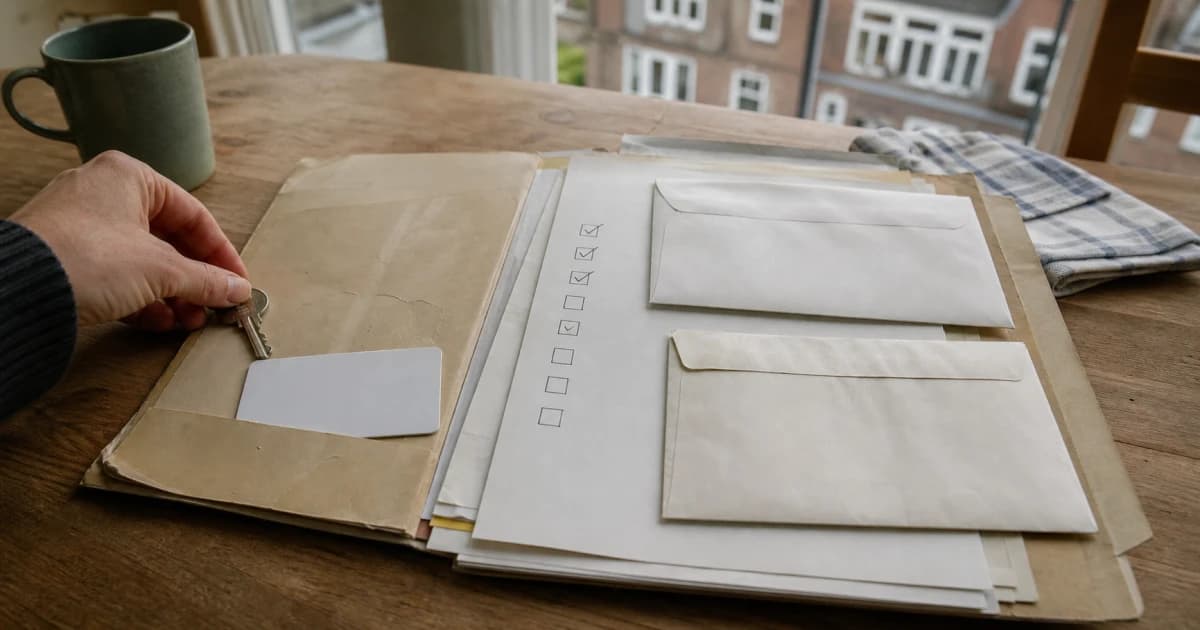
Esta lista ajuda quem está se instalando nos Países Baixos a organizar as tarefas de chegada. Se você ainda não tem uma situação de residência válida e espera uma autorização exigida, pergunte ao município quando pode se registrar. Faça o mesmo se não conseguir comprovar sua identidade.
Antes de viajar: confira a residência, o trabalho e os documentos
Antes de viajar ou começar um emprego, confira seu direito de morar e trabalhar nos Países Baixos. Cidadãos da União Europeia (UE), do Espaço Econômico Europeu (EEE) e da Suíça não precisam de autorização de residência. Quem não tem uma dessas nacionalidades é considerado nacional de país terceiro.
Se você precisa de autorização, siga a decisão do IND (Immigratie- en Naturalisatiedienst, Serviço de Imigração e Naturalização) (Site externo, abre em uma nova aba). A gemeente (município) informa como marcar o atendimento e quais documentos levar. Antes de sair, confira estes três pontos:
Você pode rolar as tabelas largas na horizontal.
| O que fazer | Para quem | Prazo ou condição | Por quê e qual guia consultar |
|---|---|---|---|
| Confira o direito de morar e trabalhar | Todas as pessoas, sobretudo nacionais de países terceiros | Antes da viagem e antes de começar a trabalhar | A rota de residência determina se você precisa de autorização ou patrocinador e quais condições valem para o trabalho. Consulte a visão geral das autorizações de residência e o guia do direito ao trabalho. |
| Marque o atendimento na gemeente | Quem vai ficar pelo menos quatro meses em um período de seis meses | Marque antes da viagem. O registro normalmente deve ser feito em até cinco dias após a chegada. As exceções sobre residência e identidade estão explicadas acima e abaixo. | Pode haver espera longa por uma vaga. Consulte o guia de BSN (burgerservicenummer, número de serviço ao cidadão) e registro municipal. |
| Reúna os documentos para o registro | Todas as pessoas que vão se registrar, incluindo parceiro ou parceira e filhos | Antes de sair do país que emitiu os documentos | A gemeente pode pedir certidões de nascimento ou casamento e documentos de endereço. Confira a tradução e a legalização no guia de documentos antes da mudança. |
Dias 1–5: faça o registro municipal
Há exceções ao prazo de cinco dias. Se você ainda não tem uma situação de residência válida e espera uma autorização exigida, pode se registrar mais tarde. Se não consegue comprovar sua identidade, pode esperar o resultado da investigação. Pergunte à gemeente qual regra vale para você. Se está em um centro de acolhimento de asilo, siga as orientações do serviço de acolhimento para o registro.
Para os demais residentes que vão ficar pelo menos quatro meses em um período de seis meses, o prazo é de cinco dias após a chegada. O registro é presencial. Siga estas etapas:
- Marque um atendimento na gemeente onde vai morar. Se possível, marque antes da viagem.
- Reúna todos os documentos da lista da gemeente. Cidadãos da UE, do EEE e da Suíça usam passaporte ou documento de identidade válido. Se você precisa de autorização de residência, o município também pode pedir o documento de residência ou uma carta do IND.
- Compareça ao atendimento. Seu parceiro ou sua parceira e os filhos que se mudaram com você também devem comparecer com um documento de identificação válido.
O registro inclui você na Basisregistratie Personen (BRP, base de dados de registros pessoais) (Site externo, abre em uma nova aba). Se ainda não tem um burgerservicenummer, você recebe um. Se já tem BSN, o número continua o mesmo. A gemeente determina quanto tempo o processamento leva.
Se vai ficar menos de quatro meses e precisa de BSN para trabalhar ou estudar, use o Registratie Niet-Ingezetenen (RNI, cadastro de não residentes) (Site externo, abre em uma nova aba). Cidadãos neerlandeses, da UE, do EEE ou da Suíça podem escolher entre 19 balcões do RNI. As demais nacionalidades só podem se registrar em Breda ou Venlo.
Depois do registro: acesso digital, banco e atendimento local
Se você está registrado como residente em um município neerlandês, solicite o DigiD (acesso digital aos serviços públicos) (Site externo, abre em uma nova aba). Você precisa de BSN e celular. A carta de ativação é enviada ao endereço do seu registro.
Se fez o registro no RNI, siga a rota de solicitação para não residentes (Site externo, abre em uma nova aba) do DigiD.
Você pode iniciar estas tarefas ao mesmo tempo. Confira a obrigação de seguro assim que começar a morar ou trabalhar de forma remunerada no país, mesmo se o BSN atrasar.
Você pode rolar as tabelas largas na horizontal.
| O que fazer | Para quem | Prazo ou condição | Por quê e qual guia consultar |
|---|---|---|---|
| Solicite e ative o DigiD | Residentes registrados em um município neerlandês que tenham BSN e celular | Solicite depois do registro como residente. Ative antes de o código vencer, em 21 dias. | Consulte o guia para configurar o DigiD. |
| Confira se o seguro de saúde neerlandês é obrigatório | Quem mora, trabalha ou estuda nos Países Baixos | Confira assim que começar a morar ou trabalhar de forma remunerada. Se for obrigatório, contrate em até quatro meses. | A obrigação e a data de início dependem da sua situação. Consulte o guia do seguro de saúde. |
| Abra uma conta bancária | Quem precisa receber salário ou fazer débitos automáticos neerlandeses | A lista oficial de tarefas da mudança (Site externo, abre em uma nova aba) não fixa um prazo de chegada para abrir a conta. Confira os documentos e prazos exigidos pelo banco. | Alguns bancos permitem informar o BSN depois. Confira as condições no guia de conta bancária. |
| Cadastre-se com um huisarts (médico de família) | Quem está se instalando na região | O cadastro é recomendado, não obrigatório. Faça antes de precisar de atendimento. | O huisarts presta atendimento básico e faz encaminhamentos. Consulte o guia do huisarts. |
| Informe seu BSN e endereço à organização que precisa deles | Pessoas empregadas, estudantes e responsáveis por crianças | Cumpra o prazo do empregador, da instituição de ensino ou da escola | Empregadores e escolas usam o BSN nos seus registros. Confira a tabela de trabalho, estudo e família abaixo. |
Seguro de saúde: veja qual regra vale para você
Sua situação de residência, trabalho e estudo determina se você deve contratar o seguro básico de saúde neerlandês. O SVB (Sociale Verzekeringsbank, órgão da seguridade social) (Site externo, abre em uma nova aba) verifica se você tem cobertura pela Wlz (Wet langdurige zorg, lei de cuidados de longa duração). Se o SVB confirmar essa cobertura, você deve contratar o seguro de saúde neerlandês.
Você pode rolar as tabelas largas na horizontal.
| Sua situação | O que fazer | Prazo ou condição | Qual guia consultar |
|---|---|---|---|
| Você mora ou trabalha sob as regras neerlandesas de seguridade social | Contrate o seguro básico neerlandês com cobertura desde a data em que a obrigação começa | Contrate assim que possível, em até quatro meses após o início da obrigação. Pergunte qual data vale para sua situação de residência ou trabalho. | Confira a data de início e a cobertura retroativa no guia do seguro de saúde. |
| Você veio apenas estudar e não trabalha | Mantenha uma cobertura adequada do país de origem ou internacional. O seguro básico neerlandês normalmente não é obrigatório. Se não tem cobertura pela Wlz, não pode contratá-lo. | Confira novamente antes de um emprego remunerado, voluntariado com remuneração ou estágio | O trabalho pode mudar sua situação perante a Wlz. Consulte o guia do seguro de saúde neerlandês. |
| Você trabalha para um empregador estrangeiro, foi destacado ou trabalha apenas para uma instituição da UE | Confirme qual país é responsável pelo seu seguro | Antes de contratar uma apólice neerlandesa | Se tiver dúvida, peça uma avaliação ao SVB. Consulte o guia do seguro de saúde neerlandês. |
| Você espera uma decisão sobre residência ou está em acolhimento de asilo | Siga a cobertura temporária ou do acolhimento que vale para você | Até poder e dever entrar no seguro básico neerlandês | Siga as orientações do IND ou do serviço de acolhimento. Se espera a decisão sobre residência e recebe uma carta sobre falta de seguro, peça uma avaliação ao SVB. |
Se não sabe qual linha vale para você, peça uma avaliação ao SVB.
Trabalho remunerado ou voluntariado com remuneração pode criar a obrigação de seguro, mesmo que estudar, por si só, não crie essa obrigação. Confira sua situação também antes de qualquer estágio.
Se a apólice começar em até quatro meses após o início da obrigação, a cobertura será retroativa à data em que a obrigação começou. Você também paga os valores do seguro referentes a esse período anterior.
Para quem tem um emprego que exige seguro neerlandês, a obrigação começa no início do trabalho. Para um solicitante de asilo que entra no seguro neerlandês após a decisão sobre a autorização, pode valer a data de início da autorização. Pergunte à seguradora ou ao SVB qual data vale para você.
Por exemplo: sua obrigação de seguro começa em 1º de outubro de 2026. Se a apólice começar em até quatro meses, ela cobre você desde 1º de outubro. Você também paga o seguro desde 1º de outubro. Peça à seguradora que confirme a data de início para o seu caso.
Se contratar o seguro depois de quatro meses, o período anterior fica sem cobertura.
Se receber uma carta sobre falta de seguro do CAK (Centraal Administratie Kantoor, órgão que verifica a cobertura do seguro de saúde) (Site externo, abre em uma nova aba), siga as orientações para sua situação:
- Se tem cobertura pelo Regeling Medische zorg Asielzoekers (RMA, programa de atendimento médico para solicitantes de asilo) (Site externo, abre em uma nova aba), informe o CAK.
- Se já tem seguro básico neerlandês, peça à seguradora que confira se sua apólice está registrada.
- Nos demais casos, contrate o seguro básico neerlandês se for obrigatório. Se acha que a obrigação não vale para você, peça uma avaliação ao SVB.
Documentos de residência: conclua a etapa que se aplica a você
Encontre a linha que corresponde à sua nacionalidade ou autorização. Depois, confira a última linha para saber sobre o teste de tuberculose. Siga as orientações da decisão do IND.
Você pode rolar as tabelas largas na horizontal.
| Sua situação de residência | O que fazer | Prazo ou condição | Qual guia consultar |
|---|---|---|---|
| Cidadão da UE, do EEE ou da Suíça | Guarde a prova de nacionalidade e confira as condições de livre circulação para estadias de mais de três meses | Não precisa de autorização de residência e normalmente não se registra no IND. O registro como residente vale para estadias de pelo menos quatro meses em seis. | Consulte a visão geral das autorizações de residência. |
| Familiar sem nacionalidade da UE, do EEE ou da Suíça que se junta a um cidadão com direito à rota pela legislação da UE | Solicite a toetsing aan het EU-recht (verificação pelo direito da UE) (Site externo, abre em uma nova aba). | Faça o pedido dentro dos Países Baixos. Para familiares de cidadãos neerlandeses, a rota só vale em situações específicas de livre circulação. Confira os requisitos do IND para familiares (Site externo, abre em uma nova aba). | Comece pela visão geral das autorizações de residência. |
| Titular de autorização de residência que é nacional de país terceiro | Forneça biometrie (foto, impressões digitais e assinatura) se solicitado. Retire o cartão quando o IND avisar que está pronto. Confira as datas e a anotação sobre trabalho. | Siga o local e o prazo informados na mensagem do IND | Para entender a anotação sobre trabalho, consulte o guia do direito ao trabalho. |
| Titular de autorização cujo pedido previa um teste de tuberculose (TB) | Marque o teste no GGD (serviço regional de saúde pública) (Site externo, abre em uma nova aba). Leve o formulário de encaminhamento. | Em até três meses após receber a autorização de residência | Siga a condição da decisão do IND. O teste não é exigido para todas as nacionalidades ou autorizações. |
Cidadãos da UE, do EEE e da Suíça normalmente não se registram no IND. Há uma exceção se o IND já encerrou seu direito de residência pela legislação da UE. Nesse caso, confira as orientações do IND.
Trabalho, estudo, escola e inburgering
Se tem uma criança em idade escolar, entre em contato com uma escola enquanto espera o BSN dela. Confira cada linha que se aplica à sua situação.
Você pode rolar as tabelas largas na horizontal.
| Sua situação | O que fazer | Prazo ou condição | Qual guia consultar |
|---|---|---|---|
| Pessoa empregada | Confira a anotação sobre trabalho na autorização antes de começar. Depois, informe o BSN ao setor que paga o salário. | Confira seu direito de trabalhar antes do primeiro dia. Informe seu BSN ao setor de folha de pagamento assim que o receber. | Consulte o guia do direito ao trabalho. |
| Estudante internacional | Siga as orientações da instituição sobre autorização e matrícula. Confira novamente o direito ao trabalho e o seguro antes de um emprego ou estágio remunerado. | Cumpra os prazos da instituição. Confira o direito ao trabalho e o seguro antes de começar trabalho remunerado. | Comece pela visão geral das autorizações de residência. |
| Responsável por uma criança em idade escolar | Entre em contato com uma escola e matricule a criança. Informe se o BSN ainda não chegou. | A frequência escolar é obrigatória a partir do mês seguinte ao quinto aniversário. Entre em contato com a escola enquanto os outros documentos ainda estão pendentes. | Consulte o guia do sistema escolar neerlandês. |
| Pessoa que talvez tenha de cumprir a inburgering (integração cívica) | Leia as cartas da gemeente e do DUO (Dienst Uitvoering Onderwijs, serviço neerlandês de educação) (Site externo, abre em uma nova aba). Cumpra as datas indicadas. | A nacionalidade, por si só, não determina a obrigação. A comunicação formal informa o que vale para você. | Confira quem deve cumprir a integração. |
Até o dia 90: confira as mensagens e as outras pendências
Depois de ativar o DigiD, use o MijnOverheid (portal pessoal dos serviços públicos) (Site externo, abre em uma nova aba). A Berichtenbox (caixa digital de correspondência do governo) (Site externo, abre em uma nova aba) guarda as cartas oficiais.
Confira as tarefas abaixo até o dia 90. Cumpra o prazo específico de cada uma, mesmo se terminar antes ou depois desse dia.
Você pode rolar as tabelas largas na horizontal.
| O que fazer | Para quem | Prazo ou condição | Por quê e qual guia consultar |
|---|---|---|---|
| Ative o MijnOverheid e os avisos por e-mail | Quem tem DigiD | Depois de ativar o DigiD | Escolha quais organizações podem enviar correspondência digital. Consulte o guia do MijnOverheid e da Berichtenbox. |
| Confira quais benefícios pode solicitar após o início do seguro ou da condição familiar relevante | Quem tem seguro neerlandês, aluguel que atende às condições ou filhos | O pedido de zorgtoeslag (auxílio para o seguro de saúde) de 2026 deve ser feito até 31 de dezembro de 2027. O kinderopvangtoeslag (auxílio para cuidados infantis) tem um prazo menor, explicado abaixo. | Confira as condições de renda, patrimônio e composição familiar na visão geral de toeslagen (benefícios). |
| Guarde os documentos fiscais dos dois países | Quem teve renda, patrimônio ou mudança de país durante o ano fiscal | Guarde os documentos agora. Sua declaração deve chegar antes da data indicada na carta que pede a declaração. | A declaração do ano da mudança tem perguntas específicas. Consulte o guia de imposto de renda para recém-chegados. |
| Confira a carteira de motorista estrangeira antes de dirigir | Quem pretende dirigir | Antes de dirigir. A validade depende do país que emitiu a carteira. | Consulte o guia de troca da carteira de motorista. |
| Comunique a mudança de endereço | Quem sai de uma moradia temporária | Informe a mudança desde quatro semanas antes até cinco dias depois de mudar | Mantenha seu endereço no BRP atualizado. Consulte o guia de mudança de endereço. |
Você solicita os benefícios pelo Dienst Toeslagen (serviço de benefícios) (Site externo, abre em uma nova aba). O prazo normal do zorgtoeslag de 2026 é 31 de dezembro de 2027. Uma prorrogação da declaração de imposto de renda pode ampliar esse prazo. Para o kinderopvangtoeslag, faça o pedido em até três meses após o mês de início dos cuidados infantis, para não perder pagamentos anteriores.
O Belastingdienst (administração tributária) (Site externo, abre em uma nova aba) tem uma declaração de imposto específica para o ano da mudança. Guarde os documentos de renda e patrimônio dos dois países para preencher essa declaração.
Se você saiu do Brasil de forma definitiva ou passou à condição de não residente após uma saída temporária, deve fazer a Comunicação de Saída Definitiva do País à Receita Federal. A comunicação não substitui a Declaração de Saída Definitiva do País, que deve ser entregue no ano seguinte.
Se você era residente fiscal em Portugal e passou a não residente, atualize seu endereço fiscal. Para quem não tem Cartão de Cidadão, o prazo para comunicar essa mudança à Autoridade Tributária e Aduaneira é de 60 dias.
Como resolver problemas no registro
Um atraso no registro não suspende os outros prazos. Procure seu problema na tabela e siga a ação indicada. Guarde as confirmações de agendamento e as cartas oficiais.
Você pode rolar as tabelas largas na horizontal.
| Seu problema | O que fazer | Por quê e qual guia consultar |
|---|---|---|
| Não tem um endereço residencial aceito para o registro | Pergunte à gemeente sobre um briefadres. Informe sua situação real de moradia. | A gemeente verifica se você atende às condições. Ela deve providenciar um briefadres para quem atende às condições e não tem quem forneça o endereço. Consulte o guia de problemas de registro de endereço. |
| Não há horário nos primeiros cinco dias | Marque o primeiro horário disponível. Guarde a confirmação. Pergunte se o registro pode começar na data em que marcou o atendimento. | A gemeente decide se uma data anterior de registro é possível. Consulte o guia de BSN e registro municipal. |
| O BSN está atrasado | Entre em contato com a gemeente. Continue as tarefas que não precisam de BSN e cumpra os prazos do IND, do teste de tuberculose e do seguro. | Você precisa de BSN para solicitar o DigiD. Mantenha os outros prazos no calendário e consulte o guia específico indicado acima. |
Para usar um briefadres fornecido por uma pessoa, leve seu documento de identidade, a autorização assinada por essa pessoa e o documento de identidade dela ou uma cópia. Confira a lista de documentos da gemeente. Uma caixa postal não pode ser usada como briefadres.
Marque o registro e anote os prazos
Se ainda não marcou o registro municipal, comece por isso. Marque as linhas que correspondem à sua nacionalidade, autorização de residência, trabalho, estudo e família. Anote cada prazo no calendário. Estes guias ajudam a resolver problemas de registro, preparar os impostos e entender os costumes nos Países Baixos:
- Autor
- Por Inburgering.org team
- Revisor
- Revisado por Kirill Svavolia
Fontes oficiais
- NetherlandsWorldwide (portal do governo neerlandês): lista para quem vai morar nos Países Baixos (Site externo, abre em uma nova aba) - visão geral oficial das tarefas antes da chegada, logo depois e mais tarde
- NetherlandsWorldwide: quando se registrar no município (Site externo, abre em uma nova aba) - registro em cinco dias, presença da família, documentos exigidos pelo município e manutenção de um BSN já existente
- NetherlandsWorldwide: registro no RNI (Site externo, abre em uma nova aba) - registro no RNI para estadias inferiores a quatro meses, os 19 balcões e as regras de nacionalidade para escolher o local
- DigiD: solicitar um DigiD (Site externo, abre em uma nova aba) - requisitos de BSN, endereço registrado e celular; envio da carta de ativação para o endereço registrado
- DigiD: ativar seu DigiD (Site externo, abre em uma nova aba) - prazo de 21 dias do código de ativação
- IND: morar nos Países Baixos (Site externo, abre em uma nova aba) - tarefas de chegada para quem tem autorização de residência, incluindo registro no BRP, teste de tuberculose e seguro
- IND: retirar um documento de residência (Site externo, abre em uma nova aba) - quando e onde retirar o documento após o aviso do IND
- IND: residência de cidadãos da UE, do EEE ou da Suíça (Site externo, abre em uma nova aba) - livre circulação sem autorização de residência e condições para estadias de mais de três meses
- Government.nl (site do governo dos Países Baixos): seguro de saúde obrigatório após a mudança (Site externo, abre em uma nova aba) - prazo de quatro meses, início da cobertura e exceções para quem trabalha para um empregador estrangeiro
- SVB: estudo, estágio e seguro pela Wlz (Site externo, abre em uma nova aba) - por que quem veio apenas estudar normalmente tem uma regra diferente e como trabalho remunerado ou estágio pode mudar a obrigação de seguro
- Dienst Toeslagen: solicitar um benefício (Site externo, abre em uma nova aba) - requisitos de BSN e DigiD e prazo de 31 de dezembro do ano seguinte para solicitar
- Rijksoverheid (governo central dos Países Baixos): registro em um briefadres (Site externo, abre em uma nova aba) - estadia de pelo menos quatro meses em seis; condições e documentos para um endereço de correspondência e dever do município quando não há quem forneça o endereço
- Rijksoverheid: quando se registrar no BRP (Site externo, abre em uma nova aba) - prazo de cinco dias e exceções para autorização de residência pendente ou investigação da identidade
- Overheid.nl (portal oficial do governo neerlandês): Wet basisregistratie personen (lei da base de dados de registros pessoais), publicação original (Site externo, abre em uma nova aba) - base legal original do período de estadia que exige registro como residente e da comunicação de mudança de endereço, artigos 2.38 e 2.39
- IND: Wonen in Nederland (morar nos Países Baixos) (Site externo, abre em uma nova aba) - fonte em holandês que confirma as tarefas de chegada e o prazo de três meses para o teste de tuberculose
- IND: verificação pelo direito da UE para familiares (Site externo, abre em uma nova aba) - pedido exigido para familiares pela legislação da UE, solicitação dentro dos Países Baixos e situações específicas de livre circulação para cidadãos neerlandeses
- IND: requisitos que se aplicam a todas as pessoas (Site externo, abre em uma nova aba) - exceções à exigência do teste de tuberculose
- IND: Afspraak biometrie (agendamento para dados biométricos) (Site externo, abre em uma nova aba) - quando uma carta do IND permite marcar o atendimento para dados biométricos
- IND: o que fazer depois de uma decisão favorável (Site externo, abre em uma nova aba) - conferência do documento de residência e da anotação sobre trabalho na retirada
- Rijksoverheid: seguro de saúde para quem trabalha nos Países Baixos (Site externo, abre em uma nova aba) - seguro obrigatório, prazo de quatro meses, avaliação para quem apenas reside no país e exceções para empregador estrangeiro ou instituição da UE
- Overheid.nl: Zorgverzekeringswet (lei do seguro de saúde), publicação original (Site externo, abre em uma nova aba) - base legal original da cobertura retroativa à data da obrigação quando a apólice começa em até quatro meses, artigo 5(5)
- SVB: trabalho fora dos Países Baixos (Site externo, abre em uma nova aba) - trabalho entre países e destacamento podem mudar qual país é responsável pela seguridade social
- Rijksoverheid: seguro de saúde para solicitantes de asilo (Site externo, abre em uma nova aba) - cobertura no acolhimento, alternativas temporárias e exemplo de cobertura e custos do seguro retroativos à data de início da autorização
- CAK: carta sobre falta de seguro (Site externo, abre em uma nova aba) - ações após a carta para quem tem cobertura do acolhimento, seguro neerlandês, decisão de residência pendente ou dúvida sobre a obrigação de seguro
- Rijksoverheid: escolha de um huisarts (Site externo, abre em uma nova aba) - o cadastro é recomendado, não obrigatório; a seguradora pode ajudar a encontrar um consultório
- Rijksoverheid: atendimento básico de saúde (Site externo, abre em uma nova aba) - o huisarts presta atendimento básico
- Rijksoverheid: encaminhamentos pelo huisarts (Site externo, abre em uma nova aba) - o huisarts encaminha para atendimento especializado quando há necessidade médica
- ABN AMRO: informar o BSN (Site externo, abre em uma nova aba) - exemplo de banco que permite abrir a conta antes de receber o BSN e estabelece seu próprio prazo para o documento
- Rijksoverheid: quando uma criança começa a escola (Site externo, abre em uma nova aba) - a frequência escolar é obrigatória a partir do mês seguinte ao quinto aniversário
- DUO: integração nos Países Baixos (Site externo, abre em uma nova aba) - cartas sobre integração, entrevista com o município e deveres conforme a rota
- MijnOverheid: correspondência do governo e dados pessoais (Site externo, abre em uma nova aba) - acesso com DigiD e Berichtenbox para cartas do governo
- NederlandWereldwijd (NetherlandsWorldwide): uso da Berichtenbox (Site externo, abre em uma nova aba) - escolha das organizações e ativação de avisos por e-mail para correspondência do governo
- Dienst Toeslagen: prazos para solicitar benefícios (Site externo, abre em uma nova aba) - prazo no ano seguinte, prorrogação da declaração de imposto e prazo menor para o auxílio para cuidados infantis
- Belastingdienst: declaração de imposto no ano da mudança (Site externo, abre em uma nova aba) - declaração online específica ou aangifteformulier M (formulário em papel da declaração do ano da imigração)
- Belastingdienst: prazo da declaração de imposto (Site externo, abre em uma nova aba) - a declaração deve chegar antes da data indicada na carta que pede a declaração
- RDW (órgão de veículos e carteiras de motorista): dirigir com carteira estrangeira (Site externo, abre em uma nova aba) - validade conforme o país emissor, a categoria da carteira e as datas
- Rijksoverheid: comunicar uma mudança de endereço (Site externo, abre em uma nova aba) - comunicação desde quatro semanas antes até cinco dias depois da mudança
- GGD: encontrar o serviço regional de saúde pública (Site externo, abre em uma nova aba) - lista para encontrar o GGD responsável pela sua região
- SVB: avaliação do seguro pela Wlz (Site externo, abre em uma nova aba) - a confirmação do seguro pela Wlz exige seguro de saúde neerlandês; como pedir a avaliação
- SVB: dúvidas frequentes sobre a Wlz (Site externo, abre em uma nova aba) - quem não tem cobertura pela Wlz não pode contratar seguro de saúde neerlandês; exceção para quem apenas estuda
- Dienst Toeslagen: Zorgtoeslag (Site externo, abre em uma nova aba) - nome oficial da contribuição para os custos do seguro de saúde
- RMA: Regeling Medische zorg Asielzoekers (Site externo, abre em uma nova aba) - programa de atendimento médico para solicitantes de asilo e seu site oficial
- DigiD: solicitação para não residentes (Site externo, abre em uma nova aba) - rota para quem está no RNI, com retirada do código em um balcão ou atendimento por vídeo quando permitido
- IND: Toetsing aan het EU-recht (verificação pelo direito da UE) (Site externo, abre em uma nova aba) - nome oficial em holandês do pedido e requisitos para os familiares que podem usar essa rota
- Receita Federal do Brasil: comunicar saída definitiva do país (Site externo, abre em uma nova aba) - quem saiu do Brasil de forma definitiva ou passou a não residente deve comunicar a saída; a comunicação não dispensa a declaração no ano seguinte
- Autoridade Tributária e Aduaneira de Portugal: Morada (Site externo, abre em uma nova aba) - atualização do endereço fiscal e prazo de 60 dias para quem não tem Cartão de Cidadão quando passa de residente a não residente