
Votre statut de séjour détermine si vous pouvez travailler
Les citoyens de l’UE (Union européenne), de l’EER (Espace économique européen) et de la Suisse peuvent travailler sans permis de travail néerlandais. Pour les autres statuts, vérifiez votre preuve officielle actuelle et les règles de votre catégorie. Si une tewerkstellingsvergunning (TWV, autorisation de travail) est nécessaire, votre employeur doit l’obtenir avant votre premier jour. Une gecombineerde vergunning voor verblijf en arbeid (GVVA, permis combiné de séjour et de travail) exige deux documents qui autorisent votre poste.
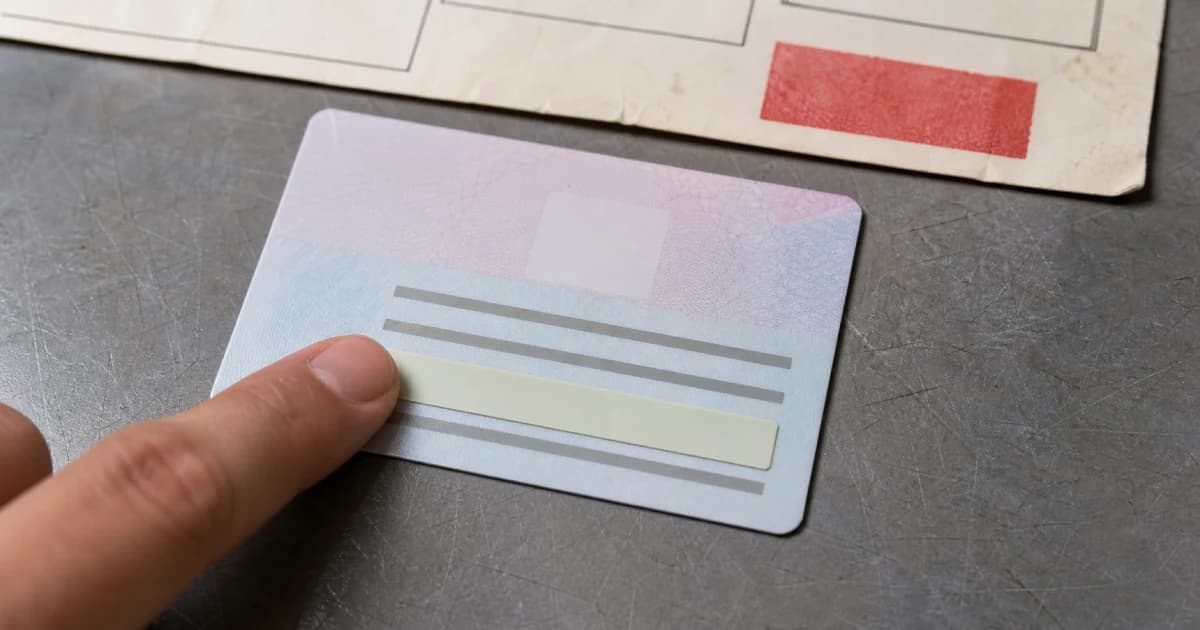
Vous commencez un emploi, changez d’employeur ou devez prouver votre droit au travail ? Votre statut de séjour fixe les activités que vous pouvez exercer. Votre carte, une lettre de l’Immigratie- en Naturalisatiedienst (Site externe, s’ouvre dans un nouvel onglet) (IND, service de l’immigration) ou une verblijfsaantekening (vignette de séjour) peut prouver vos droits. Lisez la mention de travail et vérifiez la date d’expiration du document.
Perdre votre carte ne met pas à lui seul fin à votre statut de séjour. Votre employeur a toutefois besoin d’une preuve acceptée de vos droits au travail. Demandez le remplacement auprès de l’IND et vérifiez quelle preuve votre employeur peut accepter. Un burgerservicenummer (BSN, numéro personnel administratif), une offre d’emploi ou une demande en cours ne suffit pas à prouver que vous pouvez travailler.
Quel travail votre statut permet-il ?
Les règles ci-dessous concernent le travail salarié. Trouvez votre statut dans la première colonne, puis lisez les conditions détaillées après le tableau. L’employeur demande la TWV à l’UWV (Site externe, s’ouvre dans un nouvel onglet) (Uitvoeringsinstituut Werknemersverzekeringen, organisme chargé des assurances des salariés).
Vous pouvez faire défiler les tableaux larges horizontalement.
| Votre statut | Travail salarié | Autorisation de l’employeur |
|---|---|---|
| Citoyen de l’UE, de l’EER ou de la Suisse ; article 50 (document de séjour lié au Brexit) ; document de séjour de famille UE | Accès libre tant que le statut est valide | Pas de TWV |
| Titre permanent ordinaire, titre d’asile permanent ou titre néerlandais de résident longue durée UE | Accès libre | Pas de TWV |
| Partenaire d’un citoyen néerlandais | Accès libre | Pas de TWV |
| Partenaire d’un autre titulaire de titre | Dépend de la personne rejointe ; vérifiez votre propre carte | TWV, accès libre ou travail interdit |
| Kennismigrant (migrant hautement qualifié) | Emploi conforme aux conditions, normalement chez un erkend referent (employeur agréé) ; agrément non requis pour les ressortissants turcs ; activité indépendante en parallèle | Un autre emploi salarié en parallèle exige une TWV |
| Titre de séjour étudiant | Au choix : 16 heures par semaine au maximum, ou temps plein en juin, juillet et août | L’employeur doit obtenir une TWV |
| Zoekjaar (année d’orientation) | Accès libre pendant le titre d’un an | Pas de TWV |
| Demande d’asile en cours depuis au moins 6 mois | Dépend des conditions d’accès et de la preuve actuelle des droits au travail | L’employeur doit généralement obtenir une TWV ; voir ci-dessous l’exception du W-document (document d’identité des demandeurs d’asile) |
| Titre de séjour d’asile valide | Accès libre | Pas de TWV |
| Protection temporaire pour l’Ukraine actuellement applicable | Emploi salarié avec un contrat et une preuve IND | Pas de TWV ; l’employeur informe l’UWV |
Un passeport ou une carte d’identité valide peut prouver votre nationalité UE, EER ou suisse. Les nouveaux arrivants britanniques ont généralement besoin d’un titre selon les règles après le Brexit. Un document de séjour de l’article 50 prouve les droits liés au terugtrekkingsakkoord (accord de retrait) et permet de travailler sans restriction. Si vous êtes un membre de famille qui n’est pas citoyen de l’UE et que vous exercez les droits de libre circulation de l’UE, vérifiez votre propre document de famille UE. La nationalité de la personne que vous rejoignez ne suffit pas à prouver ces droits.
Comprendre la mention de travail sur vos documents
Le dos d’une carte de séjour néerlandaise indique le motif du séjour et l’arbeidsmarktaantekening (mention du droit au travail). Une GVVA comprend aussi un aanvullend document (document complémentaire) qui précise l’employeur et les conditions. Retrouvez la mention de votre document dans la première colonne pour savoir ce qu’elle autorise.
Vous pouvez faire défiler les tableaux larges horizontalement.
| Mention néerlandaise et explication en français | Ce que vous pouvez faire |
|---|---|
| Arbeid vrij toegestaan. TWV niet vereist (travail librement autorisé ; TWV non requise) | Le travail salarié est libre tant que le statut est valide. Votre employeur n’a pas besoin de TWV. |
| Arbeid als kennismigrant en als zelfstandige toegestaan, andere arbeid toegestaan met TWV | Occupez votre poste de kennismigrant qui remplit les conditions et exercez une activité indépendante en parallèle. Un autre emploi salarié en parallèle exige une TWV. |
| TWV vereist voor arbeid van bijkomende aard, andere arbeid in loondienst niet toegestaan (TWV requise pour un travail complémentaire ; autre travail salarié interdit) | Règle étudiante : respectez les heures hebdomadaires ou le régime d’été autorisés. Votre employeur doit d’abord obtenir une TWV. |
| Arbeid niet toegestaan (travail interdit) | Ce titre interdit le travail salarié. Une exception pour un stage ou du bénévolat peut avoir des conditions distinctes. |
Lisez la mention avec votre statut de séjour et tout document complémentaire. Avec une GVVA, vous pouvez travailler pour l’employeur nommé dans le document complémentaire. Une décision positive de l’IND ou une vignette de séjour peut parfois prouver des droits au travail temporaires. Suivez exactement l’autorisation qui y figure.
Un gereglementeerd beroep (profession réglementée), comme la profession infirmière, peut aussi exiger une inscription professionnelle ou une reconnaissance du diplôme. Cette condition est distincte de l’autorisation de séjour et de travail. Consultez le guide de reconnaissance des diplômes étrangers pour trouver la procédure adaptée.
Quand faut-il une TWV ou une GVVA ?
Votre employeur demande une TWV à l’UWV pour votre travail. Cette voie concerne les étudiants, les demandeurs d’asile qui remplissent les conditions, le travail de 90 jours au maximum et certaines personnes qui vivent déjà aux Pays-Bas. Une TWV peut aussi couvrir un travail plus long si vous habitez hors des Pays-Bas. L’employeur doit respecter les conditions de la catégorie, dont les règles de rémunération. Commencez seulement lorsque l’autorisation couvre votre poste. Si vous changez d’employeur, le nouvel employeur doit obtenir sa propre TWV lorsqu’elle est requise.
La GVVA combine généralement le séjour et le travail pour un salarié qui n’est pas citoyen de l’UE et qui va vivre et travailler aux Pays-Bas plus de 90 jours. Certaines catégories suivent une autre procédure. Vous ou votre employeur pouvez déposer la demande, mais l’IND recommande que l’employeur le fasse. Dans certaines catégories, seul l’employeur peut déposer la demande. Vous pouvez commencer après avoir reçu les deux documents : le titre de séjour et le document complémentaire. Un changement d’employeur exige une nouvelle demande. Attendez que les documents autorisent ce nouveau poste.
Les conditions des principaux statuts de séjour
Votre catégorie de séjour détermine les conditions de votre emploi. Les règles diffèrent pour les partenaires, les migrants hautement qualifiés, les étudiants et les personnes sous protection.
Si vous avez rejoint votre partenaire ou votre famille
Le partenaire d’un citoyen néerlandais peut travailler librement. Pour les autres titres de partenaire, le referent (personne que vous avez rejointe) détermine vos conditions de travail. Trouvez son statut dans la première colonne. Vous verrez si vous pouvez travailler librement, si votre employeur doit obtenir une TWV ou si le travail est interdit.
Vous pouvez faire défiler les tableaux larges horizontalement.
| Statut de la personne rejointe | Vos droits au travail |
|---|---|
| Citoyen néerlandais | Travail libre ; pas de TWV |
| Kennismigrant | Travail libre ; pas de TWV |
| Europese blauwe kaart (carte bleue européenne) | Travail libre ; pas de TWV |
| Overplaatsing binnen een onderneming (transfert au sein d’une entreprise) | Travail libre ; pas de TWV |
| Onderzoeker volgens richtlijn (EU) 2016/801 (chercheur relevant de cette directive) | Travail libre ; pas de TWV |
| Essentieel start-up personeel (personnel essentiel d’une start-up) | Travail libre ; pas de TWV |
| Titre de séjour pour indépendant | Travail libre, y compris à votre compte |
| GVVA | Votre employeur doit obtenir une TWV |
| Titre de séjour étudiant | Travail interdit |
Pour les autres catégories de referent, le partenaire reçoit souvent les mêmes droits au travail que la personne rejointe. Vérifiez votre propre carte. Si cette personne a un titre temporaire, votre titre a la même date d’expiration.
Si vous êtes kennismigrant
Un kennismigrant travaille normalement pour un erkend referent, un employeur agréé par l’IND. Si vous avez la nationalité turque, cet agrément n’est pas requis et vous pouvez déposer vous-même la demande. Votre emploi doit respecter les conditions salariales et être rémunéré au tarif habituel pour ce travail. Vous pouvez aussi travailler à votre compte en parallèle. Un autre emploi salarié en parallèle nécessite un TWV. Pour travailler uniquement à votre compte, demandez un permis d’indépendant ou de start-up.
Après la perte d’un emploi, l’IND vous accorde jusqu’à 3 mois pour trouver un nouveau poste qui remplit les conditions. Le maximum habituel passe à 6 mois si vous êtes devenu sans emploi le 22 mai 2026 ou après. À la date où vous êtes devenu sans emploi, vous devez aussi avoir détenu ce titre depuis au moins 2 ans. Si votre période sans emploi a commencé avant le 22 mai 2026, le maximum reste de 3 mois.
Si vous avez subi une exploitation au travail, demandez à l’IND de confirmer votre délai personnel de recherche. Demandez aussi quel effet la date d’expiration de votre titre a sur ce délai. L’article 11, paragraphe 6, de la directive européenne 2024/1233 prévoit 3 mois supplémentaires pour un titulaire de permis unique de séjour et de travail. Les autorités compétentes doivent d’abord établir, après évaluation selon la procédure nationale, des motifs raisonnables de penser que cette personne a subi des conditions de travail particulièrement abusives. Ces 3 mois s’ajoutent à la période applicable de 3 ou de 6 mois. Les informations publiées par l’IND indiquent pourtant un maximum de 6 mois pour les victimes. Les sources diffèrent : demandez à l’IND comment la règle européenne s’applique à votre situation.
La période de recherche commence à la fin de votre contrat. Elle ne peut pas dépasser la date d’expiration du titre. Le nouvel emploi doit respecter les conditions d’agrément de l’employeur et de salaire. L’ancien et le nouvel employeur doivent déclarer le changement à l’IND.
Travailler avec un titre étudiant
Avec un titre étudiant, choisissez un seul régime de travail salarié : au maximum 16 heures par semaine toute l’année, ou à temps plein uniquement en juin, juillet et août. L’employeur doit d’abord obtenir une TWV. Par exemple, si vous choisissez le régime hebdomadaire, vous pouvez accepter un poste de 12 heures dans un magasin. Un poste de 20 heures par semaine dépasse la limite de ce régime, même si l’employeur a une TWV.
Si vous avez étudié en France ou en Belgique, vérifiez les limites néerlandaises au lieu de reprendre celles que vous y connaissiez. Avec un titre étudiant néerlandais, choisissez l’un des deux régimes ci-dessus ; votre employeur doit obtenir la TWV avant votre premier jour.
Un stage (stage en entreprise) intégré à votre cursus néerlandais n’exige pas de TWV. Vous, votre employeur et votre établissement d’enseignement devez signer la convention de stage requise.
Vous pouvez aussi travailler à votre compte sans TWV et sans limite d’heures liée au séjour. Vous devez toujours respecter toutes les conditions du titre étudiant, dont la progression dans vos études. Inscrivez-vous à la Kamer van Koophandel (Site externe, s’ouvre dans un nouvel onglet) (KVK, chambre de commerce), payez vos impôts et vérifiez si vous avez besoin d’une assurance maladie néerlandaise.
Travailler pendant le zoekjaar
Le zoekjaar permet de travailler comme salarié ou à votre compte pendant 1 an, sans TWV. Vous ne pouvez pas le prolonger. Vous pouvez remplir les conditions dans les 3 ans qui suivent certaines études ou recherches effectuées aux Pays-Bas.
La voie du diplôme étranger concerne certains programmes de master, de doctorat et de post-master. L’établissement doit figurer parmi les 200 premiers dans les classements d’au moins 2 des 3 éditeurs de classements indiqués par l’IND. Les classements doivent remplir les conditions au moment de l’obtention du diplôme ou de la fin du doctorat. Les classements par discipline doivent correspondre à votre domaine. Des conditions de langue s’appliquent aussi. Nuffic (Site externe, s’ouvre dans un nouvel onglet) (organisme néerlandais pour l’éducation internationale) doit évaluer le diplôme, sauf pour les programmes accrédités de Flandre qui remplissent les conditions.
Obtenir votre diplôme ne change pas à lui seul vos droits au travail étudiant. Pendant la demande de zoekjaar, l’accès libre au travail dépend des preuves de votre diplôme ou de vos recherches, ainsi que d’une vignette de séjour. Vérifiez les conditions du zoekjaar auprès de l’IND (Site externe, s’ouvre dans un nouvel onglet). Obtenez une vignette confirmant l’accès libre au travail avant de commencer.
Demande d’asile en cours ou titre de séjour d’asile
Si vous demandez l’asile, vous avez généralement besoin d’un employeur qui obtient une TWV. Votre demande doit être en cours d’examen depuis au moins 6 mois. L’accès au travail n’est pas automatique. L’UWV vérifie avec l’IND si vous remplissez les conditions. Il vérifie aussi que vous bénéficiez de l’opvang (accueil) du Centraal Orgaan opvang asielzoekers (Site externe, s’ouvre dans un nouvel onglet) (COA, organisme d’accueil des demandeurs d’asile). Lorsque vous pouvez travailler, les mêmes règles de rémunération s’appliquent qu’aux Néerlandais. Il n’y a pas de limite annuelle du nombre de semaines travaillées.
Le Vreemdelingen Identiteitsbewijs type W (document d’identité des demandeurs d’asile) prouve l’identité et le séjour légal. Les informations de l’IND sur le modèle 2026 (Site externe, s’ouvre dans un nouvel onglet) présentent des W-document délivrés après le 12 juin 2026 sans mention de travail au dos. Les anciens modèles peuvent indiquer qu’une TWV est requise. Un modèle portant la mention « Arbeid vrij toegestaan. TWV niet vereist » permet de travailler sans TWV.
Les informations de l’IND destinées aux employeurs (Site externe, s’ouvre dans un nouvel onglet) indiquent qu’aucun nouveau W-document n’est délivré après le 12 juin 2026. L’ontvangstbevestiging (accusé de réception de votre demande) précise vos droits. Pour les demandes d’asile déposées après cette date, l’IND indique que l’autorisation de travailler après 6 mois dépend de la procédure. Demandez à votre employeur de vérifier auprès de l’UWV votre preuve actuelle et votre accès au travail.
Pour les demandes d’asile déposées le 12 juin 2026 ou après, certains motifs peuvent interdire l’accès au travail. Ils comprennent les cas de pays sûr, les fausses déclarations, une décision de transfert attribuant la demande à un autre État de l’UE et les risques pour l’ordre public ou la sécurité nationale. En octobre 2026, l’attente de 6 mois reste applicable. Une réduction à 3 mois reste un projet du gouvernement.
Avec un titre de séjour d’asile valide, vous pouvez travailler librement comme salarié ou à votre compte, sans TWV. Si vous avez demandé le renouvellement d’un titre d’asile temporaire avant son expiration, vous pouvez continuer à travailler pendant que l’IND décide. Conservez la confirmation de l’IND ou une autre preuve actuelle. Ces droits pendant le renouvellement diffèrent des règles applicables aux demandeurs d’asile.
Travailler sous protection temporaire pour l’Ukraine
Si vous êtes actuellement couvert par la Richtlijn tijdelijke bescherming (directive sur la protection temporaire) pour l’Ukraine, vous pouvez travailler comme salarié sans TWV jusqu’au 4 mars 2028. Vous devez avoir un contrat de travail et une preuve valide de l’IND. Votre employeur doit informer l’UWV au moins 2 jours ouvrés avant votre premier jour. Pour une activité indépendante, votre client doit obtenir une TWV, sauf si un autre titre de séjour autorise cette activité.
Les personnes non ukrainiennes dont la protection temporaire reposait uniquement sur un titre de séjour ukrainien temporaire ont perdu cette protection le 4 septembre 2025. Celles qui remplissent les conditions de la directive sur une autre base peuvent rester protégées. Cela comprend les membres de famille qui remplissent les conditions.
Certains recours maintiennent les droits liés à la protection temporaire. Un recours contre la décision qui met fin à la protection peut les maintenir jusqu’à la décision sur le recours. Il en va de même pour un recours contre une décision de retour prise avant le 4 mars 2024. Si la décision de retour date du 4 mars 2024 ou après, le tribunal doit vous avoir autorisé à attendre la décision sur le recours aux Pays-Bas. Votre preuve doit aussi préciser que vous pouvez travailler. Vérifiez votre décision actuelle de l’IND et toute autre autorisation de séjour.
Travail indépendant, bénévolat et stages
Les titres qui donnent un accès libre au travail, les titres permanents, le zoekjaar et les titres d’asile valides permettent généralement de travailler à votre compte. Le client d’un demandeur d’asile doit obtenir une TWV. Sous protection temporaire pour l’Ukraine, le client doit aussi obtenir une TWV pour le travail indépendant, sauf si un autre titre l’autorise. Si votre statut actuel ne permet pas l’activité, vous pouvez avoir besoin d’un titre pour indépendant ou d’une autre voie de séjour. L’inscription à la KVK ne remplace pas l’autorisation liée au séjour.
Le bénévolat non rémunéré ou un stage intégré aux études peut bénéficier d’une exception lorsque le travail salarié est limité. L’organisation qui accueille un demandeur d’asile doit obtenir une vrijwilligersverklaring (déclaration de bénévolat) de l’UWV. Cette règle s’applique aussi au bénévolat sous protection temporaire pour l’Ukraine. Un demandeur d’asile peut faire sans TWV un stage intégré à des études professionnelles ou supérieures aux Pays-Bas. L’établissement, l’employeur et l’étudiant doivent avoir signé la convention requise. Sous protection temporaire, vous, l’employeur et l’établissement devez signer un contrat de stage. Vérifiez l’exception avant de commencer. Appeler un travail payé « bénévolat » ne change pas les règles.
Un permis de résident de longue durée UE d’un autre pays ne suffit pas pour vous installer aux Pays-Bas. Il faut un permis néerlandais adapté à votre motif de séjour. La page de l’IND sur le déménagement (Site externe, s’ouvre dans un nouvel onglet) décrit un TWV pour les 12 premiers mois de travail. Cette règle ne couvre pas toutes les voies : un permis néerlandais de migrant hautement qualifié admissible autorise l’emploi concerné sans TWV. Vérifiez votre catégorie et la mention de travail avant de commencer.
Pour les ressortissants turcs couverts par l’accord d’association UE–Turquie, le TWV pour le travail salarié n’est plus requis après 3 ans chez le même employeur. Avant de changer d’emploi, faites confirmer votre parcours et votre mention de travail par l’IND. Consultez les règles de l’IND pour les ressortissants turcs (Site externe, s’ouvre dans un nouvel onglet).
Changement d’emploi, expiration ou document manquant
Un nouvel emploi, une carte expirée ou un document manquant peut exiger une nouvelle demande ou une nouvelle preuve. Trouvez votre situation dans le tableau avant de commencer ou de poursuivre votre travail.
Vous pouvez faire défiler les tableaux larges horizontalement.
| Situation | Que faire ? |
|---|---|
| Nouvel employeur avec une TWV ou une GVVA | Pour une TWV, le nouvel employeur doit déposer la demande. Pour une GVVA, vous ou le nouvel employeur devez déposer une nouvelle demande. Commencez lorsque l’autorisation ou les documents couvrent le poste. |
| Nouvel employeur pour un kennismigrant | Vérifiez que l’employeur est agréé par l’IND et que le poste respecte les règles de salaire. Les deux employeurs doivent déclarer le changement à l’IND. |
| Expiration d’un titre temporaire ; prolongation en cours | Déposez la demande avant l’expiration. Vérifiez les règles de poursuite du travail pour votre catégorie. Obtenez une preuve actuelle de l’IND si elle est requise. |
| Carte de séjour permanent expirée | Le statut permanent continue. Vous pouvez poursuivre votre travail ; renouvelez la carte. |
| Changement de motif de séjour, y compris après un diplôme | Une demande en cours ne donne pas à elle seule les droits au travail de la nouvelle catégorie. Suivez votre preuve actuelle. |
| Carte perdue ou volée | Déclarez la perte ou le vol à la police, demandez un remplacement et interrogez l’IND sur une preuve temporaire. Une carte signalée est invalide. |
| Cinq années continues avec un titre temporaire néerlandais autorisant le travail | Votre hoofdverblijf (résidence principale) ne doit pas avoir été transféré à l’étranger ensuite. Vérifiez avec l’IND si vous remplissez les conditions de travail libre. Obtenez le document portant cette mention avant de vous y fier. |
Les droits pendant une demande dépendent du titre. Pour un kennismigrant, une décision positive de l’IND peut permettre de travailler avant que la carte soit prête. La décision doit préciser cette autorisation et sa date de début. Prenez rendez-vous pour vos empreintes et votre photo, ou pour retirer votre carte, dans les 2 semaines qui suivent la réception de la décision par votre employeur.
Pendant l’examen de la demande de prolongation déposée par votre employeur, vous pouvez continuer à travailler comme kennismigrant avec la carte expirée. Une vignette de séjour peut fournir une preuve actuelle.
Pendant une demande de prolongation de GVVA, vous pouvez continuer chez le même employeur au même poste si l’IND reçoit la demande dans les 4 semaines qui suivent l’expiration. Si la carte a expiré, vous avez besoin d’une vignette de séjour portant la mention de travail. Déposez la demande avant l’expiration pour éviter une interruption de votre autorisation de séjour.
Si vous retrouvez une carte après l’avoir déclarée perdue ou volée, remettez-la à l’IND.
Si votre titre ordinaire expire dans moins de 3 mois, vous pouvez demander sa prolongation ou son changement plutôt qu’un remplacement séparé.
Pour choisir un autre titre, consultez les voies de séjour aux Pays-Bas. Si vous envisagez un séjour permanent, vérifiez les preuves d’inburgering (intégration civique) pour le séjour permanent.
Les contrôles de l’employeur et les amendes
Avant votre premier jour, l’employeur doit vérifier l’original de votre document d’identité valide et la preuve que vous pouvez occuper le poste. Si nécessaire, il vérifie aussi la TWV ou le document complémentaire de la GVVA. Un BSN seul ne donne pas le droit de travailler.
En octobre 2026, l’amende standard prévue par la Wet arbeid vreemdelingen (Wav, loi sur l’emploi des étrangers) dépend de la forme juridique de l’employeur. Pour une natuurlijk persoon (personne physique) qui exerce une activité professionnelle, elle est de 3 000 € par personne employée illégalement. Pour une fondation ou une association ayant un but d’intérêt général, ce montant de 3 000 € s’applique seulement si le travail n’est pas une activité commerciale et ne vise pas à produire des revenus. Pour les autres rechtspersonen (personnes morales) et les employeurs assimilés, le montant est de 6 000 € par personne.
La Nederlandse Arbeidsinspectie (Site externe, s’ouvre dans un nouvel onglet) (inspection néerlandaise du travail) peut réduire ou augmenter l’amende selon la gravité et la faute. Une amende standard de 6 000 € peut atteindre 11 250 € avant toute majoration pour récidive. Si la même infraction ou une infraction similaire se répète dans les 5 ans, l’amende peut augmenter de 50 %, 100 % ou 200 %.
Les vérifications avant votre premier jour de travail
Suivez ces étapes dans l’ordre avant de commencer :
- Lisez votre carte actuelle ou une autre preuve de l’IND. Vérifiez sa date d’expiration et la mention de travail.
- Comparez votre preuve aux règles de l’IND ou de l’UWV pour votre statut.
- Présentez à votre employeur l’original de votre document d’identité et tous les documents de travail requis.
- Demandez à l’IND (Site externe, s’ouvre dans un nouvel onglet) ou à l’UWV de clarifier toute différence entre vos documents et votre situation actuelle.
- Vérifiez que la TWV, les documents GVVA ou la notification de l’employeur, s’ils sont requis, couvrent votre date de début.
Un contrat, un BSN ou une promesse orale ne suffit pas à prouver votre droit au travail. Utilisez la preuve officielle actuelle avant de commencer.
Choisissez le guide qui correspond à votre prochaine démarche :
- Auteur
- Par Inburgering.org team
- Relecteur
- Relu par Kirill Svavolia
Sources officielles
- IND : Employer un ressortissant étranger (Site externe, s’ouvre dans un nouvel onglet) - Libre circulation, voies TWV et GVVA, travail étudiant, renouvellement des titres d’asile et accusés de réception IND.
- IND : Residence document Model 2020 (Site externe, s’ouvre dans un nouvel onglet) - Emplacement du motif de séjour et de la mention de travail, y compris pour les documents donnant un accès libre.
- UWV : Work permits (Site externe, s’ouvre dans un nouvel onglet) - Qui a besoin d’une TWV, qui la demande et quelles conditions l’employeur doit respecter.
- IND : Single Permit (GVVA) (Site externe, s’ouvre dans un nouvel onglet) - Carte de séjour, document complémentaire, date de début, prolongation et changement d’employeur.
- IND : Residence permit for partner (Site externe, s’ouvre dans un nouvel onglet) - Conditions précises de travail pour les partenaires d’un referent néerlandais ou étranger.
- IND : Highly skilled migrant (Site externe, s’ouvre dans un nouvel onglet) - Agrément de l’employeur, mention de travail, salaire, perte d’emploi et prolongation.
- IND : Obligations du referent et de l’erkend referent (Site externe, s’ouvre dans un nouvel onglet) - Obligations de déclaration, de conservation des dossiers et de suivi des personnes accueillies.
- IND : Titre de séjour étudiant (Site externe, s’ouvre dans un nouvel onglet) - TWV, durée du travail, emploi d’été, stages et activité indépendante des étudiants.
- IND : Zoekjaar (Site externe, s’ouvre dans un nouvel onglet) - Conditions d’accès, durée d’un an, preuve pendant la demande et accès libre au travail.
- Nederlandse Arbeidsinspectie : Asylum seekers (Site externe, s’ouvre dans un nouvel onglet) - Accès après six mois, exclusions depuis le 12 juin 2026, mêmes règles de salaire et absence de limite annuelle en semaines.
- UWV : Werkvergunning voor een asielzoeker (Site externe, s’ouvre dans un nouvel onglet) - Preuves pour la demande de l’employeur, stages, travail indépendant et déclarations de bénévolat.
- IND : Temporary Protection Directive Ukraine (Site externe, s’ouvre dans un nouvel onglet) - Protection actuelle jusqu’au 4 mars 2028, preuves et situation des ressortissants de pays tiers.
- Government.nl : Work and income for refugees from Ukraine (Site externe, s’ouvre dans un nouvel onglet) - Contrat de travail, preuves et notification de l’employeur sous protection temporaire.
- IND : Residence permit self-employed person (Site externe, s’ouvre dans un nouvel onglet) - Quand un titre pour indépendant est nécessaire et quel travail salarié il permet.
- IND : Residence endorsement sticker (Site externe, s’ouvre dans un nouvel onglet) - Situations où une vignette de séjour peut prouver le séjour légal pendant une demande.
- IND : Residence permit lost or stolen (Site externe, s’ouvre dans un nouvel onglet) - Déclaration à la police, remplacement et invalidité de la carte signalée.
- IND : Change residence purpose (Site externe, s’ouvre dans un nouvel onglet) - Situations qui exigent une demande de changement de motif et prévention d’une interruption de séjour.
- IND : Permanent residence permit (Site externe, s’ouvre dans un nouvel onglet) - Mention de travail libre pour les résidents permanents.
- Nederlandse Arbeidsinspectie : Amendes Wav (Site externe, s’ouvre dans un nouvel onglet) - Montants standard et adaptés des amendes imposées aux employeurs pour le travail illégal.
- IND : Vreemdelingen Identiteitsbewijs, modèle 2026 (Site externe, s’ouvre dans un nouvel onglet) - Absence de mention de travail sur les W-document délivrés après le 12 juin 2026 ; anciens modèles et modèles de travail libre encore en circulation.
- UWV : Autorisations de travail pour les stages (Site externe, s’ouvre dans un nouvel onglet) - L’exception sans TWV pour un stage intégré aux études aux Pays-Bas exige une convention entre l’étudiant, l’employeur et l’établissement.
- UWV : TWV-voorwaarden (Site externe, s’ouvre dans un nouvel onglet) - Voies TWV pour les personnes déjà résidentes, le travail de 90 jours au maximum et le travail plus long sans installation aux Pays-Bas ; conditions d’emploi.
- IND : Questions et réponses sur le travail (Site externe, s’ouvre dans un nouvel onglet) - Demandes TWV par l’employeur, demandes GVVA par le salarié ou l’employeur après un changement de poste, accusés de réception et travail après l’expiration d’une carte permanente.
- Nederlandse Arbeidsinspectie : Vérification des documents par l’employeur (Site externe, s’ouvre dans un nouvel onglet) - Documents d’identité originaux, contrôle des droits au travail et raison pour laquelle le BSN seul ne suffit pas.
- Rijksoverheid (gouvernement néerlandais) : Travailler dans un gereglementeerd beroep (Site externe, s’ouvre dans un nouvel onglet) - Les conditions de qualification et de reconnaissance professionnelles sont distinctes de l’autorisation de séjour.
- KVK : Inscription d’une entreprise et autorisation de séjour (Site externe, s’ouvre dans un nouvel onglet) - Inscription de l’entreprise et condition distincte de séjour pour les personnes hors UE, EER ou Suisse.
- Ondernemersplein (portail public pour les entreprises) : Travail des demandeurs d’asile depuis le 12 juin 2026 (Site externe, s’ouvre dans un nouvel onglet) - Exclusions liées aux risques pour l’ordre public ou la sécurité nationale et contrôles d’accès de l’IND et de l’UWV.
- Staatsblad (journal officiel) : Loi de 2026 sur le travail des demandeurs d’asile (Site externe, s’ouvre dans un nouvel onglet) - L’article IV impose le refus ou le retrait de la TWV pour certaines procédures d’asile.
- Nuffic : Éducation internationale (Site externe, s’ouvre dans un nouvel onglet) - Rôle de Nuffic et point de départ officiel pour les diplômes étrangers.
- COA : Accueil et accompagnement (Site externe, s’ouvre dans un nouvel onglet) - Point de départ officiel de l’organisme d’accueil des demandeurs d’asile.
- UE : Directive 2024/1233, texte néerlandais (Site externe, s’ouvre dans un nouvel onglet) - L’article 11, paragraphe 6, exige 3 mois supplémentaires pour les titulaires d’un permis unique après une évaluation établissant des motifs raisonnables de croire à des conditions de travail particulièrement abusives.
- Staatscourant (journal officiel) : Politique des amendes Wav de 2025 (Site externe, s’ouvre dans un nouvel onglet) - L’annexe I distingue les catégories d’amendes. Elle précise les conditions de travail non commercial et sans objectif de revenu pour les fondations et associations d’intérêt général.
- Staatsblad : Modification de la Wet arbeid vreemdelingen, article 4 (Site externe, s’ouvre dans un nouvel onglet) - Le critère de cinq ans porte sur un séjour temporaire admissible continu, sans transfert ultérieur de la résidence principale à l’étranger.
- IND : Rendez-vous pour une verblijfsaantekening (Site externe, s’ouvre dans un nouvel onglet) - Terme officiel néerlandais et situations permettant d’obtenir une vignette de séjour.
- IND : Brexit et terugtrekkingsakkoord (Site externe, s’ouvre dans un nouvel onglet) - Terme néerlandais de l’accord de retrait et voies d’obtention des documents de séjour.
- IND : Verblijfsvergunning kwijt of gestolen (Site externe, s’ouvre dans un nouvel onglet) - Le remplacement conserve normalement la date d’expiration ; près de cette date, l’IND peut fournir une lettre confirmant les droits de séjour restants.
- IND : Périodes sans emploi pour un kennismigrant (Site externe, s’ouvre dans un nouvel onglet) - Délais publiés de 3 et 6 mois, changement du 22 mai 2026, exploitation au travail et limite liée à l’expiration du titre.
- IND : Richtlijn tijdelijke bescherming Oekraïne (Site externe, s’ouvre dans un nouvel onglet) - Protection distincte pour les membres de famille admissibles, fin de la protection fondée sur un titre ukrainien temporaire et conditions liées aux recours.
- IND : Buitenlandse werknemer in dienst nemen (Site externe, s’ouvre dans un nouvel onglet) - Indication qu’aucun nouveau W-document n’est délivré, preuve par l’accusé de réception et accès au travail selon la procédure pour les demandes d’asile après le 12 juin 2026.
- IND : Documents et conditions de la GVVA (Site externe, s’ouvre dans un nouvel onglet) - Aanvullend document, réception des deux documents avant le travail, voies de demande et conditions de poursuite du travail pendant une prolongation.
- IND : déménager avec le statut de résident de longue durée UE (Site externe, s’ouvre dans un nouvel onglet)
- IND : ressortissants turcs et travail (Site externe, s’ouvre dans un nouvel onglet)
- Service Public : Un étudiant non européen peut-il travailler en France ? (Site externe, s’ouvre dans un nouvel onglet) - Conditions françaises du travail sous titre étudiant : plafond général de 964 heures par an et régime distinct des étudiants algériens.
- Student At Work : Pour étudiants étrangers (Site externe, s’ouvre dans un nouvel onglet) - En Belgique, un titre portant « marché du travail limité » permet au maximum 20 heures par semaine pendant l’année scolaire et un temps illimité pendant les vacances.