
O seguro de responsabilidade civil pessoal cobre danos a terceiros; o seguro de bens cobre seus objetos
O AVP (seguro de responsabilidade civil pessoal) cobre sua responsabilidade legal na vida privada quando você fere alguém ou danifica os bens dessa pessoa. O inboedelverzekering (seguro de bens domésticos) cobre seus próprios objetos nos eventos previstos na apólice. Ambos são voluntários pela lei nacional dos Países Baixos. Confira se seu contrato exige algum seguro. Compare quem está segurado, as exclusões, os limites e a parte do prejuízo que você paga.
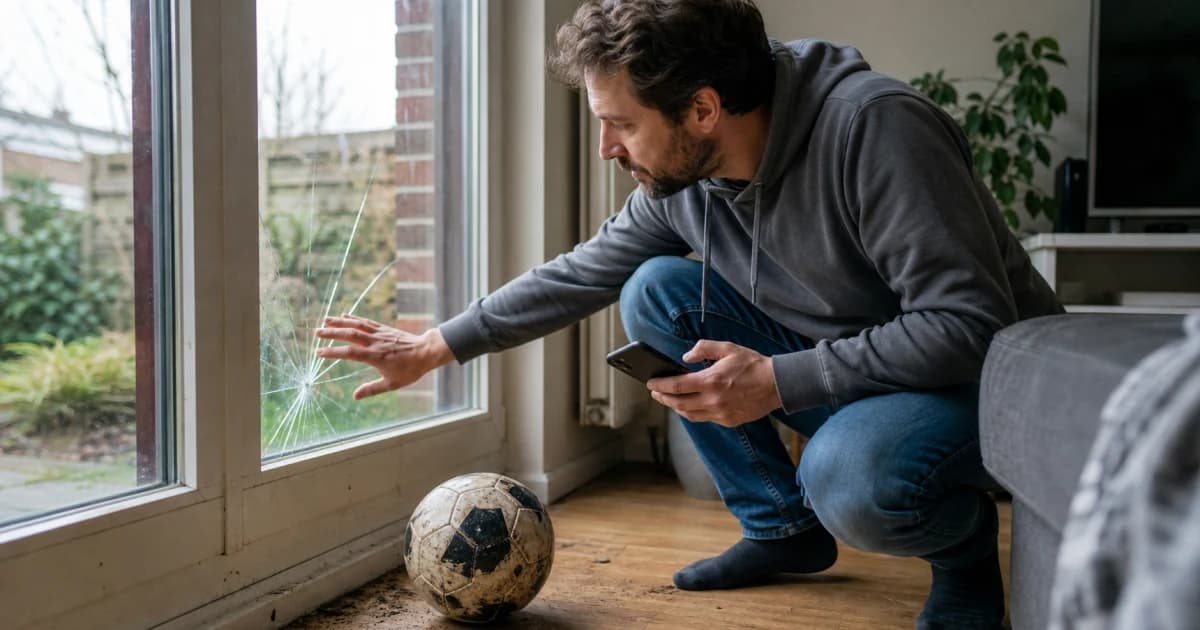
Este guia é para quem mora nos Países Baixos e quer comparar seguros para a vida privada e os bens da casa. Ele explica as regras gerais. A seguradora analisa cada pedido conforme a sua apólice.
Separe os danos a terceiros dos danos aos seus bens
O aansprakelijkheidsverzekering voor particulieren (AVP, seguro de responsabilidade civil pessoal) cobre lesões de outra pessoa ou danos aos bens dela, conforme as condições contratadas. O seguro de bens domésticos cobre seus próprios objetos móveis nos eventos previstos. Para comparar, reúna o documento com os dados da sua apólice, a verzekeringskaart (IPID, documento de informações do produto de seguro) e as condições completas.
Você pode rolar as tabelas largas na horizontal.
| Pergunta | AVP: responsabilidade civil pessoal | Seguro de bens domésticos |
|---|---|---|
| De quem é o prejuízo? | Lesão de outra pessoa ou dano aos bens dela | Seus próprios bens móveis |
| Quando cabe pedir indenização? | Uma pessoa segurada tem responsabilidade legal, ou a apólice oferece cobertura limitada sem essa responsabilidade | Um evento coberto danifica bens segurados ou resulta em seu furto |
| Exemplo comum | Sua bicicleta cai e quebra a vitrine de uma loja | Um vazamento coberto danifica seu sofá e notebook |
| Documentos principais | Dados da apólice, IPID, condições e cobrança da outra pessoa | Dados da apólice, IPID, condições, limites por item e regras de avaliação |
| Limite principal | Valor total segurado e limites menores para pedidos específicos | Valor segurado, limites por item, depreciação (perda de valor por idade ou uso) e eventual redução por onderverzekering (subseguro: segurar bens por menos que seu valor real) |
O Wijzer in geldzaken (serviço de orientação financeira) (Site externo, abre em uma nova aba) confirma que o AVP e o seguro de bens são voluntários. Já o WA-verzekering (seguro obrigatório de responsabilidade civil de veículos) é exigido para um carro registrado em seu nome. A orientação da Rijksoverheid (governo dos Países Baixos) sobre compra de carro (Site externo, abre em uma nova aba) explica essa obrigação. Confira separadamente se um contrato de aluguel, empréstimo ou plataforma exige seguro.
Se você conhece o seguro compreensivo residencial do Brasil ou o multirriscos habitação de Portugal, lembre que esses produtos podem reunir bens da casa e responsabilidade civil. Nos Países Baixos, confira as duas coberturas separadamente: um inboedelverzekering não substitui um AVP.
Confira quando o seguro de responsabilidade civil pessoal paga e quem está segurado
Ter causado um acidente não garante que o AVP pague. A seguradora verifica se uma pessoa segurada tem responsabilidade legal e se há exclusão ou limite. Algumas apólices oferecem cobertura limitada para um favor a um amigo, atividades esportivas ou outra situação sem responsabilidade legal. Essa cobertura extra depende da apólice. A orientação da Consumentenbond (associação de consumidores dos Países Baixos) sobre AVP (Site externo, abre em uma nova aba) explica essas diferenças.
Veja quem a apólice considera parte da família
Um AVP individual e um AVP familiar cobrem grupos diferentes. Confira se seu companheiro e seus filhos estão incluídos. Pergunte também sobre um companheiro com quem você não é casado, um filho adulto que estuda em outro lugar, um parente, um hóspede, uma pessoa que aluga um quarto ou um colega com quem você divide a casa. Morar no mesmo endereço não comprova a cobertura. Confira as pessoas seguradas depois de uma mudança, nascimento, separação ou alteração na situação de estudante.
Entenda a responsabilidade por crianças e animais
Pai ou mãe com autoridade legal sobre a criança, ou seu tutor, responde por certos danos causados por menores de 14 anos. A regra vale para ações que gerariam responsabilidade civil da criança se a idade não impedisse essa responsabilidade. O artigo 6:169 do Burgerlijk Wetboek (Código Civil) (Site externo, abre em uma nova aba) define essa regra. Para crianças de 14 ou 15 anos, pai, mãe ou tutor também pode responder. Essa responsabilidade não se aplica se não houver culpa por não ter impedido a conduta. A partir dos 16 anos, o jovem segue as regras comuns de responsabilidade civil.
O bezitter (possuidor: quem mantém o animal como seu) geralmente responde pelos danos que o animal causa por seu próprio comportamento. Essa regra não se aplica quando o animal apenas segue as instruções de quem o conduz. Há outra exceção quando o possuidor não teria responsabilidade legal mesmo se controlasse o comportamento do animal. O artigo 6:179 (Site externo, abre em uma nova aba) define essa regra. Um AVP pode incluir crianças seguradas e animais domésticos. Confira quem faz parte da família na apólice e quais exclusões se aplicam.
Confira as regras para empréstimos, aluguel, trabalho e veículos
Bens emprestados, bens alugados, trabalho remunerado e veículos motorizados podem ter exclusões próprias. Procure cada situação nas condições da apólice.
Você pode rolar as tabelas largas na horizontal.
| Situação | Por que o AVP comum pode não cobrir | O que conferir |
|---|---|---|
| Bem emprestado | O bem está sob seus cuidados; algumas apólices oferecem cobertura limitada | Definição de opzicht (bens sob seus cuidados), objetos excluídos, limite e eigen risico (franquia: a parte do prejuízo coberto que você paga) |
| Bem alugado ou casa alugada | Bens alugados costumam ser excluídos ou cobertos apenas para danos previstos | Contrato de aluguel, exceção para incêndio ou água, limite de danos causados pelo inquilino e caução |
| Trabalho remunerado ou empresa | Um AVP pessoal cobre a vida privada, não todos os riscos de trabalho ou de uma empresa | Seguradora do empregador ou da empresa e artigo 7:661 do Burgerlijk Wetboek |
| Carro, moto ou scooter | A responsabilidade por veículos motorizados normalmente fica fora do AVP | Seguro WA obrigatório do veículo e sua classificação exata |
O empregado normalmente não responde perante o empregador por danos causados ao fazer seu trabalho. Isso inclui danos a terceiros pelos quais o empregador precisa pagar. Há exceções para danos causados de propósito ou com imprudência consciente. As circunstâncias e o tipo de contrato também podem mudar o resultado. Um acordo por escrito só pode mudar a regra em prejuízo do empregado se ele tiver seguro para essa responsabilidade. O artigo 7:661 (Site externo, abre em uma nova aba) define essa regra. Comunique um incidente de trabalho ao empregador.
Em um acidente com bicicleta comum, o AVP pode pagar se o ciclista tiver responsabilidade legal. Um veículo com motor pode seguir as regras de veículos motorizados. Confira a classificação e a apólice. O guia para ter um carro explica o seguro de veículos.
Veja quais eventos e locais o seguro de bens cobre
Inboedel (bens domésticos) são os objetos móveis que você normalmente leva ao mudar de casa. As apólices indicam eventos como incêndio, tempestade, dano repentino por água e furto. Confira as exclusões para desgaste, falta de manutenção, umidade gradual ou que entra pelas paredes, danos intencionais e eventos fora da cobertura prevista. Compare também a opção all-risk (cobertura ampliada para danos acidentais).
Você pode rolar as tabelas largas na horizontal.
| Bem ou local | O que a cobertura pode incluir | O que conferir na apólice |
|---|---|---|
| Bens dentro de casa | Cobertura para eventos previstos na apólice | Causa, extensão all-risk, limites por item e avaliação |
| Vidros das janelas | Frequentemente no seguro do prédio ou em uma cobertura extra opcional | Pergunte primeiro ao locador; depois confira tipo de vidro e franquia |
| Cozinha, piso ou outra melhoria instalada pelo inquilino | Pode precisar de huurdersbelang (cobertura de melhorias do inquilino) | Quais melhorias entram na cobertura e o valor máximo |
| Bicicleta em depósito ou espaço de armazenamento | A cobertura de furto no depósito pode exigir local trancado e sinais visíveis de arrombamento | Se a bicicleta está coberta, seu limite, exigências de cadeado e definição do espaço de armazenamento |
| Bicicleta na rua ou bens levados para fora | Confira o furto na rua separadamente da cobertura dentro de casa | Cobertura extra de bicicleta ou bens fora de casa, território, condições para furto e eletrônicos portáteis |
| Chuva ou inundação | Chuva e algumas inundações regionais costumam ser cobertas; inundação ligada a uma defesa principal contra cheias (grande dique ou barreira) geralmente é excluída | Origem da água, tipo de dique ou barreira, exclusões do endereço e franquia |
A orientação da Consumentenbond sobre furto (Site externo, abre em uma nova aba) explica as condições para depósitos e espaços de armazenamento trancados. Confira se sua apólice cobre a bicicleta e quais cadeados exige. Um documento de informações de seguro de bicicleta (Site externo, abre em uma nova aba) mostra por que você deve conferir separadamente a cobertura de furto e a de responsabilidade civil.
A cobertura all-risk pode incluir a queda acidental de um objeto. As exclusões continuam valendo. Celulares, notebooks, joias, dinheiro, bicicletas e bens fora de casa podem ter limites próprios ou precisar de cobertura extra. Leia o IPID junto com as condições completas.
Se você aluga, confira prédio, móveis e melhorias
O opstalverzekering (seguro do prédio) normalmente cobre a estrutura para o proprietário ou condomínio. Seu seguro de bens cobre seus objetos móveis, conforme as condições da apólice. Pergunte quem segura vidros, piso fixo, cozinha instalada pelo inquilino e móveis soltos do locador. Huurdersbelang também pode incluir melhorias que você comprou do inquilino anterior. A orientação da Consumentenbond sobre mudança de casa (Site externo, abre em uma nova aba) explica essa cobertura. Use o guia de contratos de aluguel para registrar o inventário e o estado do imóvel.
Compare franquias, limites e o valor da indenização
O eigen risico é a parte de um prejuízo coberto que você paga. Esse valor é separado da franquia do seguro-saúde. Um AVP pode não ter franquia ou ter um valor escolhido. O seguro de bens pode ter franquias diferentes para danos básicos, acidentes all-risk, tempestade, vidros, bens fora de casa ou eletrônicos portáteis. Confira o valor por evento. Pergunte se vários objetos danificados contam como um único evento.
Mesmo um valor total segurado alto pode ter limites menores para joias, eletrônicos, dinheiro, bicicletas e bens fora de casa. Confira também os limites para objetos emprestados, melhorias do inquilino e armazenamento temporário.
A seguradora pode pagar o custo do reparo, o valor de reposição ou o valor atual, reduzido pelo uso e pela idade do objeto. Confira a tabela atual de depreciação da seguradora antes de estimar quanto vai receber.
Confira se o valor segurado é suficiente
Onderverzekering (subseguro) ocorre quando o valor segurado dos bens é menor que o valor real. Sem garantia contra subseguro, a seguradora pode reduzir a indenização na mesma proporção. No exemplo da Consumentenbond (Site externo, abre em uma nova aba), os bens valem € 40.000, mas o seguro cobre € 30.000. A cobertura equivale a 75% do valor. Para um prejuízo coberto de € 10.000, o pagamento antes de outras deduções seria € 7.500. Esses valores são exemplos, não preços ou limites para 2026.
Um questionário de avaliação dos bens ou um inventário pode dar garantia contra subseguro se a apólice prever isso e suas respostas continuarem corretas. Avise a seguradora depois de mudar de casa, fazer uma compra de valor alto ou passar por outra mudança relevante.
Para outros gastos da casa, consulte o guia de toeslagen (benefícios financeiros).
Compare as propostas pelos documentos da apólice
Use o IPID, as condições completas e o documento com os dados da apólice para comparar cada proposta. O IPID resume cobertura, exclusões, deveres, duração e cancelamento. As seguradoras devem fornecer esse documento para seguros de danos e perdas.
Nos dois seguros, confira franquias, deveres ao comunicar danos, prazo e cancelamento. As pessoas seguradas e os eventos cobertos são diferentes. A Autoriteit Financiële Markten (AFM, órgão regulador dos mercados financeiros dos Países Baixos) (Site externo, abre em uma nova aba) explica a exigência do IPID.
Você pode rolar as tabelas largas na horizontal.
| Ponto a conferir | AVP | Seguro de bens domésticos |
|---|---|---|
| Pessoas e endereço | Todos os membros da família segurados | Endereço e bens segurados |
| Quando a cobertura vale | Responsabilidade legal e eventual cobertura extra sem essa responsabilidade | Eventos cobertos e limites do all-risk |
| Exclusões e opções | Regras para bens emprestados, aluguel, trabalho e veículos motorizados | Opções para vidros, huurdersbelang, bicicletas e bens fora de casa |
| Limites de pagamento | Valor total segurado e limites menores | Limites por item, avaliação e garantia contra subseguro |
| Sua parte e seus deveres | Franquia, deveres em caso de dano, prazo e cancelamento | Franquia, deveres em caso de dano, prazo e cancelamento |
O prazo inicial dos seguros de danos e perdas é de um ano. Um prazo maior exige sua concordância expressa. Em geral, você não pode cancelar imediatamente durante o primeiro ano. Depois de um ano, o aviso prévio é de no máximo um mês. A AFM explica essas regras de contrato e cancelamento. O documento da sua apólice pode permitir cancelamento antes. Confirme a data de início do novo seguro antes de encerrar o antigo para manter os endereços e as pessoas seguradas com cobertura contínua.
Comunique o dano e guarde as provas
Cuide da segurança e registre o que aconteceu
- Deixe a situação segura e tome medidas razoáveis para evitar mais danos.
- Fotografe a causa, o local e os objetos danificados.
- Guarde notas fiscais, comprovantes de propriedade, mensagens, dados de testemunhas e recibos de reparos urgentes.
- Quando possível, consulte a seguradora antes de descartar ou reparar definitivamente os bens danificados.
- Registre furto ou tentativa de furto na polícia e guarde o número da ocorrência.
Acione a seguradora responsável por cada cobertura
Se alguém cobrar de você uma indenização, envie a cobrança e os fatos à seguradora do AVP. Ela analisa a responsabilidade legal e a cobertura. Comunique danos aos seus próprios objetos à seguradora de bens. Quando outra pessoa causa esses danos, as seguradoras dos Países Baixos costumam pedir que você acione primeiro seu próprio seguro residencial. Depois, sua seguradora pode recuperar o prejuízo. A orientação da Consumentenbond sobre pedidos por responsabilidade civil (Site externo, abre em uma nova aba) explica esse caminho. Comunique o dano rapidamente e use o formulário da seguradora.
Conteste uma recusa ou um pagamento menor que o esperado
Se a seguradora recusar o pedido ou pagar menos do que você esperava, compare a decisão com a apólice. Confira causa, pessoa segurada, local, limite, franquia, avaliação e regra de subseguro.
- Peça a cláusula exata da apólice e o cálculo se alguma parte da decisão não estiver clara.
- Envie as provas que faltam e peça uma revisão.
- Se o problema continuar, use o procedimento interno de reclamações da seguradora.
Reclame primeiro à seguradora. Depois da resposta final à reclamação, ou após oito semanas sem essa resposta, confira se o Klachteninstituut Financiële Dienstverlening (Kifid, instituto de reclamações sobre serviços financeiros) (Site externo, abre em uma nova aba) pode analisar seu caso. A verificação também considera se a seguradora participa do Kifid e os prazos para enviar a reclamação.
Guarde a apólice e os documentos do pedido de indenização junto com os outros documentos da lista dos primeiros 90 dias.
Continue com estes guias:
- Autor
- Por Inburgering.org team
- Revisor
- Revisado por Kirill Svavolia
Fontes oficiais
- Wijzer in geldzaken: informações sobre seguros (Site externo, abre em uma nova aba) - a diferença entre seguros obrigatórios por lei e os seguros voluntários AVP e de bens domésticos
- AFM: o que conferir ao escolher um seguro (Site externo, abre em uma nova aba) - como comparar cobertura, exclusões, valores segurados, franquias, alterações e cancelamento usando o IPID e as condições da apólice
- Consumentenbond: o AVP é obrigatório? (Site externo, abre em uma nova aba) - responsabilidade civil, opções para a família, crianças menores de 14 anos, lesões e danos materiais, diferenças entre apólices e exclusões comuns
- Burgerlijk Wetboek, Livro 6, artigo 169 (Site externo, abre em uma nova aba) - quando pai, mãe ou tutor responde por danos causados por uma criança menor de 16 anos
- Burgerlijk Wetboek, Livro 6, artigo 179 (Site externo, abre em uma nova aba) - a responsabilidade legal do possuidor de um animal pelos danos causados por ele
- Burgerlijk Wetboek, Livro 7, artigo 661 (Site externo, abre em uma nova aba) - a regra sobre a responsabilidade do empregado por danos causados durante a execução do contrato de trabalho
- Rijksoverheid: compra de carro (Site externo, abre em uma nova aba) - a obrigação de contratar seguro WA separado depois de registrar um carro em seu nome
- Exemplo de IPID: família e bens emprestados no AVP (Site externo, abre em uma nova aba) - um exemplo de apólice com responsabilidade legal, membros da família, animais, limites para bens emprestados, exclusões para bens alugados, franquias e deveres em caso de dano
- Consumentenbond: cobertura do seguro de bens domésticos (Site externo, abre em uma nova aba) - bens móveis, eventos cobertos, cobertura ampliada e all-risk, exclusões, valores e opções para inquilinos
- Consumentenbond: cobertura de vidros (Site externo, abre em uma nova aba) - vidros no seguro do prédio ou de bens, cobertura opcional para inquilinos e franquias que dependem da apólice
- Consumentenbond: pedidos por furto e arrombamento (Site externo, abre em uma nova aba) - condições para furto em casa, no depósito e no carro, limites por item, provas, comprovantes de compra e exigência de registro policial
- Consumentenbond: cobertura fora de casa (Site externo, abre em uma nova aba) - cobertura opcional para bens levados para fora, condições próprias para eletrônicos portáteis, limites geográficos e provas de furto
- Consumentenbond: como evitar o subseguro (Site externo, abre em uma nova aba) - redução proporcional da indenização, inventários, ferramentas de avaliação dos bens e garantias contra subseguro
- Verbond van Verzekeraars (associação de seguradoras dos Países Baixos): cobertura de inundação (Site externo, abre em uma nova aba) - a diferença usual entre chuva ou inundação regional e inundação ligada a um dique ou barreira principal
- Consumentenbond: como comunicar um pedido por responsabilidade civil (Site externo, abre em uma nova aba) - reunir provas, comunicar o dano rapidamente, acionar primeiro seu próprio seguro residencial e contestar uma recusa
- Consumentenbond: seguro de bens ao mudar de casa (Site externo, abre em uma nova aba) - seguro do prédio, mudança de endereço e cobertura de melhorias do inquilino, incluindo as compradas do inquilino anterior
- Exemplo de IPID: seguro de bens, exclusões e deveres (Site externo, abre em uma nova aba) - um exemplo de apólice com eventos cobertos, exclusões de desgaste e umidade, all-risk, avaliação, limites, franquias, garantia contra subseguro e deveres em caso de dano
- Exemplo de IPID: furto de bicicleta e responsabilidade civil (Site externo, abre em uma nova aba) - um exemplo que separa a cobertura de furto da bicicleta e a responsabilidade civil do AVP, com exigências de cadeado
- Kifid: quais reclamações podem ser analisadas? (Site externo, abre em uma nova aba) - a reclamação interna à seguradora como primeiro passo, condições sobre resposta e adesão, prazos de envio e exceções
- Staatsblad (diário oficial) 1991, 600: Burgerlijk Wetboek, Livro 6 (PDF, cerca de 17,1 MB) (Site externo, abre em uma nova aba) - o texto publicado dos artigos 162, 164, 169 e 179, consultado junto com a legislação consolidada sobre responsabilidade por crianças e animais
- Staatsblad 1996, 406: artigo 7:661 do Burgerlijk Wetboek (PDF, cerca de 68 KB) (Site externo, abre em uma nova aba) - a regra publicada sobre responsabilidade perante o empregador, intenção, imprudência consciente, circunstâncias e alterações por escrito com cobertura de seguro
- Exemplo de condições de seguro residencial de 2026 (PDF, cerca de 550 KB) (Site externo, abre em uma nova aba) - um exemplo de apólice com dano repentino por água, medidas razoáveis para limitar danos, deveres de prova e exceções para bens emprestados ou alugados
- Rechtspraak (Poder Judiciário dos Países Baixos): decisão sobre responsabilidade por animais, 2025 (Site externo, abre em uma nova aba) - os parágrafos 5.2 e 5.3 reproduzem o artigo 6:179 e explicam o limite ligado ao comportamento próprio do animal e a exceção legal
- Rechtspraak: decisão sobre responsabilidade do empregado, 2024 (Site externo, abre em uma nova aba) - o parágrafo 3.1 confirma a responsabilidade perante o empregador, as exceções por intenção e imprudência consciente, as circunstâncias e as alterações por escrito com cobertura de seguro
- Susep (Brasil): Seguro Compreensivo (Site externo, abre em uma nova aba) - o seguro compreensivo residencial brasileiro pode incluir os bens da casa e cobertura adicional de responsabilidade civil familiar
- ASF (Portugal): Seguro de Habitação (PDF) (Site externo, abre em uma nova aba) - o multirriscos habitação português pode reunir cobertura dos bens móveis da casa e responsabilidade civil do segurado e de sua família