
Personal liability insurance covers liability; contents insurance covers your belongings
An AVP (personal liability insurance) covers private legal liability when you injure someone or damage their property. An inboedelverzekering (contents insurance) covers your own belongings for events named in the policy. Both are voluntary under Dutch national law. Check any insurance condition in your contract. Compare who is insured, exclusions, limits and the part of a claim you pay yourself.
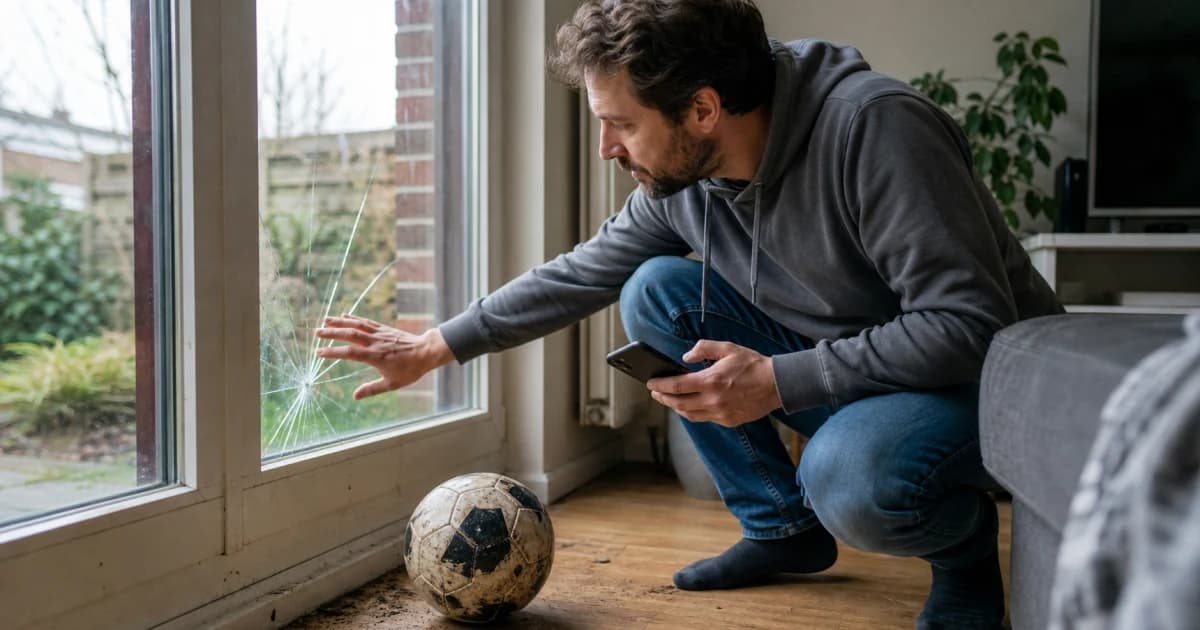
This guide is for people living in the Netherlands who are comparing insurance for private life and household belongings. It explains general rules; your insurer assesses individual claims under your policy.
Compare liability and contents insurance
An aansprakelijkheidsverzekering voor particulieren (AVP) covers another person’s injury or property damage under its conditions. Contents insurance covers your own movable belongings for covered events. Use the policy schedule (your personal cover details), the verzekeringskaart (IPID, insurance product information document) and the full conditions.
You can scroll wide tables sideways.
| Question | AVP personal liability | Contents insurance |
|---|---|---|
| Whose loss? | Another person's injury or property damage | Your own movable belongings |
| What starts a claim? | An insured person is legally liable, or the policy adds limited cover without legal liability | A covered event damages or steals insured belongings |
| Typical example | Your bicycle falls and breaks a shop window | A covered leak damages your sofa and laptop |
| Main documents | Policy schedule, IPID, conditions and the demand from the other person | Policy schedule, IPID, conditions, item limits and valuation rules |
| Main limit | The total insured amount and smaller limits for specific claims | The insured value, item limits, depreciation (loss of value with age or use) and any reduction for onderverzekering (underinsurance: insuring belongings for less than their actual value) |
Wijzer in geldzaken (money guidance service) (External site, opens in a new tab) confirms that AVP and contents insurance are voluntary. A WA-verzekering (statutory motor liability insurance) is compulsory for a car registered in your name. The Rijksoverheid (Dutch government) car-buying guidance (External site, opens in a new tab) explains that duty. Check any insurance condition in a rental, loan or platform contract separately.
Check when your personal liability insurance pays and who it covers
Causing an accident does not guarantee an AVP payment. The insurer checks whether an insured person is legally liable and whether an exclusion or limit applies. Some policies add limited cover for a friendly favour, sport or another case without legal liability. That extra cover depends on the policy. The Consumentenbond (Dutch consumers’ association) AVP guidance (External site, opens in a new tab) explains these differences.
Check the household definition
A single-person AVP and a family or household AVP insure different people. Check whether your policy includes your partner and children. Ask about an unmarried partner, an adult child studying elsewhere, a relative, guest, lodger or flatmate. A shared address alone does not prove cover. Check the insured people after a move, birth, separation or change in study status.
Check liability for children and pets
A parent with parental authority or a guardian is liable for certain damage caused by a child under 14. The rule concerns harmful actions for which the child would be legally responsible if age did not prevent that responsibility. Burgerlijk Wetboek (Civil Code), Article 6:169 (External site, opens in a new tab) sets this rule. For a child aged 14 or 15, the parent or guardian can also be liable. They are exempt from that parental liability if they cannot be blamed for failing to prevent the conduct. From age 16, ordinary liability rules apply to the young person.
An animal’s bezitter (possessor: the person who keeps it as their own) is generally liable for damage it causes through its own behaviour. The rule does not apply when the animal only acts as its handler instructs. Another exception applies if the possessor would have no legal liability even if they controlled the animal’s behaviour. Article 6:179 (External site, opens in a new tab) sets this rule. An AVP can include insured children and household pets. Check the household definition and exclusions.
Check borrowed items, rented property, work and vehicles
Borrowed items, rented property, paid work and motor vehicles can have separate exclusions. Check each situation in your policy.
You can scroll wide tables sideways.
| Situation | Why normal AVP cover may not apply | What to check |
|---|---|---|
| Borrowed item | Borrowed property is under your care; some policies add limited cover | opzicht (property in your care) definition, excluded items, limit and eigen risico (deductible: the part of a covered claim you pay) |
| Rented item or rented home | Rented property is often excluded or covered only for named damage | Rental contract, fire or water exception, tenant-damage limit and deposit |
| Paid work or business | A private AVP covers private conduct, not every work or business risk | Employer or business insurer and Burgerlijk Wetboek Article 7:661 |
| Car, motorcycle or scooter | Motor-vehicle liability is normally excluded from AVP | The vehicle's compulsory WA policy and the exact vehicle classification |
An employee is normally protected from liability to their employer for damage caused while doing their job. This includes damage to someone else that the employer must pay for. Intent or conscious recklessness are exceptions. The circumstances and type of contract can also change the result. A written agreement can change the rule to the employee’s disadvantage only where the employee is insured for that liability. Article 7:661 (External site, opens in a new tab) sets this rule. Report a work incident to the employer.
For an ordinary bicycle accident, an AVP may pay when the cyclist is legally liable. A powered vehicle can follow motor-vehicle rules. Check its classification and policy; use the car-ownership guide for motor insurance.
Check which events and locations your contents policy covers
Inboedel (household contents) means movable items you can normally take with you when you move. Contents policies name events such as fire, storm, sudden water damage and theft. Check exclusions for wear, poor maintenance, gradual moisture damage and moisture entering through walls, intentional damage and events outside the named cover. Compare any extra all-risk cover (cover for a wider range of accidental damage) too.
You can scroll wide tables sideways.
| Item or location | What cover may include | Policy check |
|---|---|---|
| Belongings inside the home | Covered for events named in the policy | Cause, all-risk extension, item caps and valuation |
| Window glass | Often part of building cover or an optional glass extension | Ask the landlord first; then check glass type and deductible |
| Tenant-installed kitchen, floor or other improvement | May need huurdersbelang (tenant-improvements cover) | Which improvements qualify and the maximum amount |
| Bicycle in a shed or storage room | Shed theft can require a locked space and visible signs of forced entry | Whether your bicycle is covered, its limit, lock requirements and storage definition |
| Bicycle on the street or belongings taken outside | Check street theft separately from cover inside your home | Bicycle or outdoor extension, territory, theft conditions and mobile electronics |
| Rain or flooding | Rain and some regional flooding are commonly covered; flooding from a primary flood defence (major dyke or barrier) is generally excluded | Water source, flood-defence type, address exclusions and deductible |
The Consumentenbond theft guidance (External site, opens in a new tab) explains conditions for locked sheds and storage rooms. Check bicycle cover and locks in your own policy. A bicycle insurance information sheet (External site, opens in a new tab) shows why theft cover and liability cover need separate checks.
All-risk cover can include dropping an item. Exclusions still apply. Phones, laptops, jewellery, cash, bicycles and belongings outside the home can have separate limits or need extra cover. Read the IPID and full conditions together.
Check cover for your rented home
An opstalverzekering (building insurance) normally covers the structure for the owner or homeowners’ association. Your contents policy covers your movable belongings under its conditions. Ask who covers glass, a fitted floor, a tenant-installed kitchen and the landlord’s loose furniture. Huurdersbelang can also include improvements you bought from a previous tenant. The Consumentenbond moving-home guidance (External site, opens in a new tab) explains this cover. Use the Dutch rental-contract guide to record the inventory and condition.
Compare deductibles, limits and claim values
An eigen risico is the part of a covered claim that you pay. This amount is separate from the health-insurance deductible. An AVP may have no deductible or a chosen amount. Contents policies can have different deductibles for basic damage, all-risk accidents, storm, glass, outdoor cover or mobile electronics. Check the amount per event. Ask whether several damaged items count as one event.
A large total insured amount can still have smaller limits for jewellery, electronics, cash, bicycles and belongings outside the home. Check limits for borrowed items, tenant improvements and temporary storage too.
The insurer may pay repair costs, replacement value or the lower current value after depreciation. Check its current depreciation list before estimating a claim.
Check for underinsurance
Onderverzekering (underinsurance) means your insured contents value is below the actual value. Without a guarantee against underinsurance, the insurer can reduce a claim in the same proportion. In the Consumentenbond underinsurance example (External site, opens in a new tab), €30,000 is insured against an actual value of €40,000. A €10,000 covered loss is 75% insured, so the payment before other deductions is €7,500. These are example amounts, not prices or limits for 2026.
A contents-value questionnaire or inventory can provide a guarantee against underinsurance if your policy says so and your answers stay accurate. Update your insurer after a move, major purchase or other relevant change.
For help with other household costs, see the toeslagen (benefits) overview.
Compare the policy documents
Use the IPID, full conditions and policy schedule to compare each quote. The IPID summarises cover, exclusions, duties, duration and cancellation. Insurers must use an IPID for non-life insurance (insurance for damage or loss).
Both policies need checks for deductibles, claim duties, term and cancellation. Their insured people and covered events differ. The Autoriteit Financiële Markten (AFM, Dutch financial markets regulator) (External site, opens in a new tab) explains the IPID requirement.
You can scroll wide tables sideways.
| Policy check | AVP | Contents insurance |
|---|---|---|
| People and address | All insured household members | Insured address and belongings |
| When cover applies | Legal liability and any extra cover without liability | Covered events and all-risk limits |
| Exclusions and options | Borrowed, rented, work and motor-vehicle rules | Glass, huurdersbelang, bicycle and outdoor options |
| Payment limits | Total insured amount and smaller limits | Item limits, valuation and underinsurance guarantee |
| Your payment and duties | Deductible, claim duties, term and cancellation | Deductible, claim duties, term and cancellation |
One year is the starting contract term for non-life insurance. A longer term needs your explicit agreement. You usually cannot cancel immediately during the first year. After a year, the notice period is at most one month. AFM explains these contract and cancellation rules. Your policy schedule may allow earlier cancellation. Confirm the new start date before ending an old policy so the addresses and insured people have continuous cover.
Report damage and keep evidence
Make the situation safe and record the damage
- Make the situation safe and take reasonable steps to prevent more damage.
- Photograph the cause, scene and damaged items.
- Keep invoices, ownership records, messages, witness details and emergency-repair receipts.
- Ask the insurer before discarding or permanently repairing damaged property when possible.
- Report theft or attempted theft to the police and keep the report number.
Send the facts to the right insurer
Send a claim against you to your AVP insurer with the demand and facts. The insurer assesses legal liability and cover. Report damage to your own belongings to your contents insurer. When another person damaged them, Dutch insurers often ask you to claim first on your own home policy. That insurer can then recover the loss. The Consumentenbond liability-claim guidance (External site, opens in a new tab) explains this route. Report promptly and use your insurer’s claim form.
Solve common claim problems
If your claim is rejected or the payment is lower than expected, compare the decision with your policy. Check the cause, insured person, location, limit, deductible, valuation and underinsurance rule.
- Ask for the exact policy clause and calculation if a part of the decision is unclear.
- Supply missing evidence and request a review.
- Use the insurer’s internal complaint process if the dispute remains unresolved.
First complain to your insurer. After its final complaint response, or after eight weeks without one, check whether Klachteninstituut Financiële Dienstverlening (Kifid, financial services complaints institute) (External site, opens in a new tab) can handle your complaint. Its eligibility test also covers membership and submission deadlines.
Keep your policy and claim file with the other documents in the first-90-days checklist.
Continue with these guides:
- Author
- By Inburgering.org team
- Reviewer
- Reviewed by Kirill Svavolia
Official Sources
- Wijzer in geldzaken: All about insurance (External site, opens in a new tab) - the distinction between legally required insurance and voluntary AVP and contents insurance
- AFM: What to check when choosing insurance (External site, opens in a new tab) - using the IPID and policy conditions to compare cover, exclusions, insured limits, deductibles, changes and cancellation
- Consumentenbond: Is an AVP compulsory? (External site, opens in a new tab) - legal liability, household options, children under 14, injury and property damage, policy differences and common exclusions
- Burgerlijk Wetboek Book 6, Article 169 (External site, opens in a new tab) - when a parent or guardian is liable for damage caused by a child under 16
- Burgerlijk Wetboek Book 6, Article 179 (External site, opens in a new tab) - the statutory liability of an animal's possessor for damage caused by the animal
- Burgerlijk Wetboek Book 7, Article 661 (External site, opens in a new tab) - the employee-liability rule for damage caused while performing an employment contract
- Rijksoverheid: Buying a car (External site, opens in a new tab) - the legal requirement for separate WA motor-vehicle insurance after a car is registered in your name
- Example IPID: AVP household and borrowed-item terms (External site, opens in a new tab) - one policy example: legal liability, household members, pets, borrowed-item limits, rented-item exclusions, deductibles and claim duties
- Consumentenbond: What contents insurance covers (External site, opens in a new tab) - movable contents, covered events, extended and all-risk cover, exclusions, values and renter-specific options
- Consumentenbond: Glass cover (External site, opens in a new tab) - building versus contents glass cover, optional cover for tenants and policy-specific deductibles
- Consumentenbond: Theft and burglary claims (External site, opens in a new tab) - home, shed and car theft conditions, item limits, evidence, purchase records and the police-report requirement
- Consumentenbond: Cover outside the home (External site, opens in a new tab) - optional cover for possessions taken outside, separate mobile-electronics conditions, geographic limits and theft evidence
- Consumentenbond: Preventing underinsurance (External site, opens in a new tab) - proportional claim reductions, inventories, contents-value tools and guarantees against underinsurance
- Verbond van Verzekeraars (Dutch Association of Insurers): Flood cover (External site, opens in a new tab) - the usual distinction between rain or regional-water flooding and flooding from a primary flood defence
- Consumentenbond: Reporting a liability claim (External site, opens in a new tab) - collecting evidence, reporting promptly, claiming through your own home insurer first and challenging a rejection
- Consumentenbond: Contents insurance when moving (External site, opens in a new tab) - building insurance, address changes and cover for tenant improvements, including those bought from a previous tenant
- Example IPID: Contents cover, exclusions and duties (External site, opens in a new tab) - one policy example: covered events, wear and moisture exclusions, all-risk cover, valuation, limits, deductibles, underinsurance guarantee and claim duties
- Example IPID: Bicycle theft and liability (External site, opens in a new tab) - one policy example showing separate bicycle theft and AVP liability cover, with theft lock conditions
- Kifid: Can Kifid handle my complaint? (External site, opens in a new tab) - the insurer’s internal complaint process first, response and membership conditions, submission deadlines and exceptions
- Staatsblad (official gazette) 1991, 600: Burgerlijk Wetboek Book 6 (PDF, about 17.1 MB) (External site, opens in a new tab) - published legal text behind Articles 162, 164, 169 and 179; used alongside the consolidated-law links for children and animal liability
- Staatsblad 1996, 406: Burgerlijk Wetboek Article 7:661 (PDF, about 68 KB) (External site, opens in a new tab) - published employee-liability rule: liability to the employer, intent and conscious recklessness exceptions, circumstances and written insured deviations
- Example 2026 home-policy conditions (PDF, about 550 KB) (External site, opens in a new tab) - one policy example: sudden water damage, reasonable steps to limit damage, evidence duties and borrowed or rented-property exceptions
- Rechtspraak (Dutch judiciary): Animal-liability judgment, 2025 (External site, opens in a new tab) - paragraphs 5.2–5.3 reproduce Article 6:179 and explain its own-behaviour limit and statutory exception
- Rechtspraak: Employee-liability judgment, 2024 (External site, opens in a new tab) - paragraph 3.1 confirms liability to the employer, intent and conscious recklessness exceptions, circumstances and written insured deviations