
O TEV reúne o MVV e a autorização de residência
Nos pedidos regulares para parceiro ou filho, o TEV (procedimento de entrada e residência) reúne o MVV (visto de entrada) e a autorização de residência quando o visto é necessário. Faça o pedido ao IND (Site externo, abre em uma nova aba) (Immigratie- en Naturalisatiedienst, serviço de imigração dos Países Baixos). Em 2026, a taxa padrão é de € 254 para parceiro ou € 85 para filho menor. O prazo legal de decisão é de 90 dias. O IND pode prorrogar esse prazo e deve avisar você se isso acontecer.
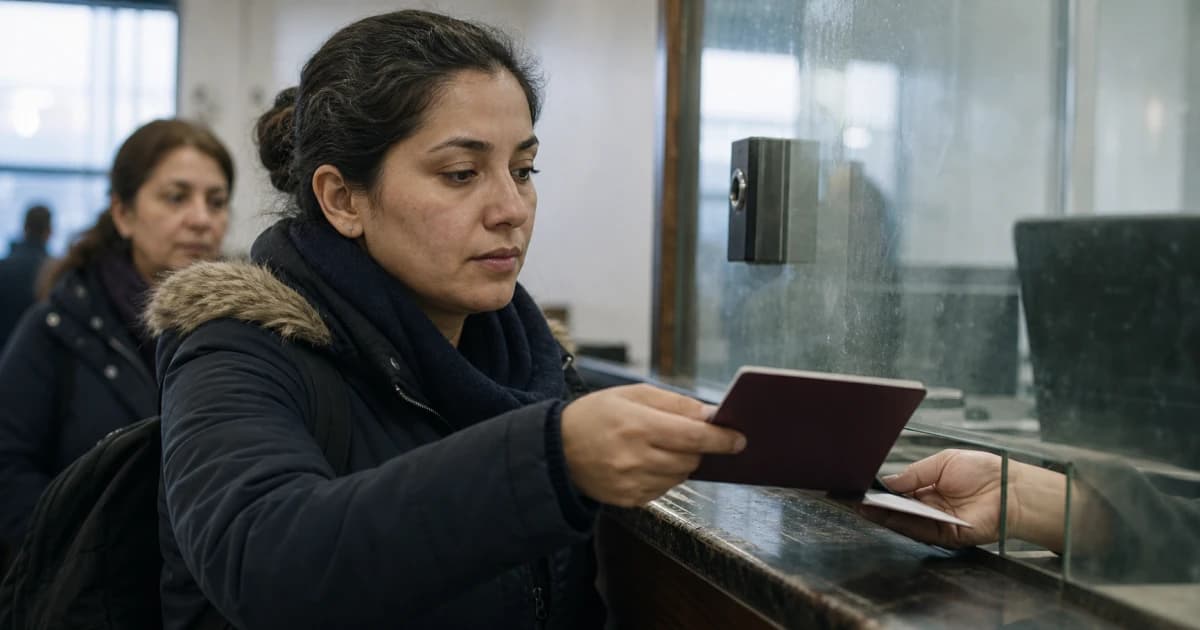
Este guia acompanha o pedido regular, pela legislação dos Países Baixos, para parceiro ou filho menor que inicia o processo no exterior. Pedidos de adoção e de acolhimento familiar seguem rotas próprias do IND. Consulte a página da sua rota exata e procure ajuda qualificada se precisar de orientação sobre o seu caso.
A reunificação familiar por asilo e a verificação pelo direito da UE (União Europeia) seguem regras próprias. Um cidadão neerlandês que retorna ao país usando direitos da UE também segue outra rota. Este guia não trata da rota Chavez (residência com um filho neerlandês menor) nem dos casos excepcionais do artigo 8 da EVRM (Convenção Europeia dos Direitos Humanos). As condições, taxas e prazos de decisão são diferentes. Para essas situações, comece por autorizações de residência nos Países Baixos: escolha a rota adequada.
1. Identifique a rota para o seu familiar
O vínculo familiar define o formulário, as condições, os comprovantes e a taxa do pedido. Veja na tabela qual situação corresponde à sua família.
Você pode rolar as tabelas largas na horizontal.
| Rota | Quando usar | Condições que mudam |
|---|---|---|
| Parceiro na rota regular | Seu cônjuge, parceiro registrado ou parceiro não casado vai morar com você | Vocês devem comprovar a relação. Em regra, ambos devem ter pelo menos 21 anos. Se já eram casados quando os dois viviam no exterior, a idade mínima para ambos é de 18 anos. Se um cidadão turco que trabalha nos Países Baixos (Site externo, abre em uma nova aba) trouxer o cônjuge ou parceiro registrado, a idade mínima para ambos também é de 18 anos. |
| Filho menor com um dos pais | Um filho com menos de 18 anos vai morar com o pai ou a mãe nos Países Baixos | O IND verifica o vínculo familiar, a responsabilidade parental e o consentimento do outro pai ou da outra mãe quando necessário. Menores de 18 anos são isentos do exame no exterior. |
| Outro familiar adulto | Um familiar adulto não se enquadra na rota de parceiro | A residência pelo artigo 8 da EVRM é excepcional. Segundo o IND, raramente é concedida. Há um formulário próprio; siga as instruções dessa rota. |
| Família na rota de asilo ou do direito da UE | O patrocinador tem residência por asilo, ou as regras da UE ou da Suíça podem se aplicar | Siga a rota própria do IND. As condições, taxas e prazo de decisão são diferentes. |
Para um familiar adulto que não se enquadra na rota de parceiro, consulte a página do IND sobre o artigo 8 da EVRM (Site externo, abre em uma nova aba). Essa rota é excepcional e tem instruções próprias. Ela não permite trazer qualquer familiar adulto de forma geral.
O referent (patrocinador do pedido) assina a declaração de patrocínio. No pedido para parceiro, é o cidadão neerlandês ou titular de autorização de residência com quem o parceiro vai morar. No pedido para filho, o patrocinador é o pai ou a mãe da criança, mesmo quando você apresenta o pedido para o filho do seu parceiro. Nesse caso, obtenha autorização do pai ou da mãe que tem responsabilidade parental. Se o pai ou a mãe e o filho vierem juntos, envie os dois pedidos ao mesmo tempo. A pessoa que está nos Países Baixos pode apresentar o pedido on-line ou pelo correio.
Outra opção é o próprio familiar pedir o MVV e a autorização de residência no exterior (Site externo, abre em uma nova aba). O processo começa em uma embaixada ou consulado neerlandês no país de sua nacionalidade ou de residência contínua. Residência contínua significa que a pessoa pode permanecer legalmente nesse país por mais de três meses. Isso pode se basear em uma autorização de residência ou em um pedido de residência ainda em análise.
Se o solicitante iniciar o processo no exterior, deve enviar o formulário e os documentos ao IND e pagar em até três semanas após a data anotada pela embaixada. Siga as instruções de envio dessa rota.
2. Confira as condições e a renda do patrocinador
No pedido de autorização para parceiro (Site externo, abre em uma nova aba), confira os dois passaportes, o vínculo do casal e as regras de idade. Vocês devem planejar morar e se registrar no mesmo endereço. Confira também a situação de residência do patrocinador e qualquer período de espera. Alguns motivos de residência temporária não permitem trazer parceiro ou filho.
No pedido de autorização para filho menor (Site externo, abre em uma nova aba), confira se a criança tem menos de 18 anos e continua fazendo parte da família. Verifique quem tem responsabilidade parental e se o outro pai ou a outra mãe precisa consentir. Confira as condições para a criança junto com as condições do patrocinador.
Salvo quando há isenção, a renda do patrocinador deve ser independente, sustentável e suficiente (Site externo, abre em uma nova aba). O IND verifica de onde vem a renda, por quanto tempo ela continuará e qual é o valor. Consulte essa página para saber as regras do seu tipo de renda e as possíveis isenções.
O IND considera o sv-loon (Site externo, abre em uma nova aba) (salário usado para calcular contribuições sociais e imposto sobre a folha). Localize esse valor no contracheque para fazer a comparação.
Os valores de renda do IND (Site externo, abre em uma nova aba) na tabela valem de 1º de julho a 31 de dezembro de 2026. Compare valores na mesma base: com adicional de férias ou sem ele.
Você pode rolar as tabelas largas na horizontal.
| Pedido e composição familiar | Valor mensal sem adicional de férias | Valor mensal com adicional de férias |
|---|---|---|
| Pedido para parceiro ou casal que patrocina outro familiar | € 2.337,00 | € 2.523,96 |
| Família com apenas um dos pais: pedido para filho ou outro familiar | € 1.635,90 | € 1.766,77 |
| Família com apenas um dos pais: pedido para parceiro | € 2.337,00 | € 2.523,96 |
Por exemplo, em outubro de 2026, um patrocinador com sv-loon mensal de € 2.400 sem adicional de férias fica € 63 acima do limite para parceiro. O IND ainda precisa verificar se essa renda é independente e sustentável. Os valores mudam em janeiro e julho. Confira os valores e os critérios de renda vigentes quando apresentar o pedido.
3. Confira se há isenção do MVV ou do exame
Faça duas verificações: uma para o MVV e outra para o exame. Algumas nacionalidades dispensam o MVV. O IND também avalia isenções do MVV conforme a situação da pessoa (Site externo, abre em uma nova aba).
O Basisexamen inburgering in het buitenland (Site externo, abre em uma nova aba) (exame de integração no exterior) normalmente se aplica ao parceiro adulto que precisa de MVV. Se for exigido no seu caso, passe no exame antes de pedir o visto. Menores de 18 anos são isentos. Outras isenções ou dispensas podem depender da nacionalidade, da situação de residência, do motivo de residência ou das circunstâncias pessoais.
A aprovação em todas as partes vale por um ano. Depois de confirmar se o exame é necessário, use o guia de preparação para o Basisexamen para organizar a inscrição e os estudos.
Veja como guardar o resultado, fazer o pedido dentro desse prazo de um ano e conferir as obrigações de inburgering (integração cívica) após a chegada em depois do basisexamen: próximos passos para o MVV e a inburgering.
4. Reúna os comprovantes e envie o pedido TEV
Comece pela lista de documentos da rota que você escolheu no IND. Os itens abaixo são exemplos. A lista da sua rota define o que você precisa apresentar.
- Comprovantes do patrocinador: cópia do passaporte ou da autorização de residência, declaração de patrocínio e comprovantes de renda exigidos.
- Comprovantes do solicitante: passaporte, documentos de estado civil ou da relação e antecedentenverklaring (declaração de antecedentes criminais), quando exigida.
- Comprovantes do filho: certidão de nascimento, prova de responsabilidade parental e consentimento do pai ou da mãe que fica no exterior, quando exigidos.
Documentos oficiais estrangeiros podem precisar de legalisatie (verificação oficial de que o documento foi emitido pela autoridade correta). Essa exigência pode valer mesmo se o documento já estiver em holandês, inglês, francês ou alemão. Confira a regra para o tipo de documento e o país que o emitiu.
Documentos em outros idiomas precisam ser traduzidos para holandês, inglês, francês ou alemão. Nos Países Baixos, use um tradutor juramentado por um tribunal neerlandês. Se a tradução for feita no exterior, o documento original e a tradução normalmente precisam de legalisatie.
Organize o pedido nas etapas abaixo:
Se sua certidão de nascimento foi emitida no Brasil, você pode solicitar o apostilamento em um cartório autorizado. Antes de pedir esse serviço, confira quais documentos o IND exige para a sua rota.
- Providencie a legalisatie e a tradução exigidas. Siga as instruções do IND para tradução e legalização (Site externo, abre em uma nova aba) conforme o país do documento.
- Preencha o formulário da rota escolhida.
- Confira se anexou todos os documentos exigidos.
- Envie o pedido on-line, pelo correio ou pela rota iniciada pelo solicitante no exterior, descrita acima.
- Pague a taxa da sua rota seguindo as instruções de envio.
- Guarde cópias e o número do processo no IND ou o V-nummer (número de identificação da pessoa estrangeira).
5. Acompanhe a decisão do IND
O prazo legal de decisão (Site externo, abre em uma nova aba) para um pedido TEV regular de parceiro ou filho menor é de 90 dias. A contagem começa quando o IND recebe o pedido. O IND pode acrescentar várias semanas ao prazo, com prorrogação de até seis meses. Ele deve avisar você se prorrogar o prazo. Para reunificação familiar por asilo, o prazo legal é outro: nove meses.
Acompanhe as atualizações no Mijn IND (Site externo, abre em uma nova aba) e nas cartas recebidas pelo patrocinador. Se o IND pedir mais informações, responda até a data indicada na carta. Mantenha as reservas de viagem e mudança com possibilidade de reembolso até obter a aprovação.
6. Retire o MVV e organize a viagem
A carta de aprovação do IND informa onde retirar o adesivo MVV. Para as rotas regulares de parceiro e filho, siga estas etapas:
- Marque o atendimento na embaixada ou no consulado em até três meses após a decisão do IND.
- Confira se o passaporte terá pelo menos seis meses de validade quando o adesivo for colocado.
- Leve a foto e o passaporte solicitados ao atendimento.
- Forneça os dados biométricos (impressões digitais e assinatura) quando exigidos.
- Viaje aos Países Baixos dentro da validade do MVV.
- Quando o IND avisar que o cartão está pronto, marque o atendimento para retirá-lo.
- Retire a autorização de residência no IND enquanto o MVV ainda estiver válido.
O adesivo MVV emitido vale por 90 dias (Site externo, abre em uma nova aba). Esse prazo é diferente dos três meses para marcar o atendimento na embaixada. Se não houver horário disponível antes de um prazo vencer, contate a representação ou o IND antes do vencimento. Peça instruções sobre como proceder; a prorrogação não é automática.
7. Conclua as etapas após a chegada
Registre-se no município e retire a autorização
Se você vai morar nos Países Baixos por mais de quatro meses, registre-se na gemeente (município) em até cinco dias após a chegada (Site externo, abre em uma nova aba). Marque o atendimento com antecedência e registre o endereço onde vocês morarão juntos. O solicitante adulto deve comparecer pessoalmente. Para registrar seu filho, você organiza o atendimento e leva a criança.
O registro na gemeente e a retirada do cartão de residência são duas tarefas separadas. Retire o cartão quando o IND avisar que está pronto, dentro da validade do MVV. A gemeente fornece um BSN (burgerservicenummer, número de serviço ao cidadão) se você ainda não tiver um. Um BSN já existente continua válido (Site externo, abre em uma nova aba).
Use a lista dos primeiros 90 dias nos Países Baixos para organizar o registro na gemeente, o DigiD (Site externo, abre em uma nova aba) (identidade digital), o seguro-saúde e a conta bancária.
Confira o exame de tuberculose e as obrigações de inburgering
Se o pedido ou a decisão exigir um exame de tuberculose, marque-o com o GGD (Site externo, abre em uma nova aba) (Gemeentelijke Gezondheidsdienst, serviço municipal de saúde). Faça isso em até três meses após receber a autorização de residência. Há isenções; confira as condições da sua rota no IND.
A autorização de residência também pode criar uma obrigação de inburgering nos Países Baixos. Essa obrigação é separada do exame no exterior. Confira a regra após a chegada em quem precisa fazer a integração nos Países Baixos?.
8. Resolva problemas no pedido
Se a renda estiver perto do limite, confira tanto o valor atual quanto as regras do IND sobre por quanto tempo essa renda deve continuar. Um contracheque não basta para responder às duas questões.
Se uma certidão, legalização ou tradução atrasar, responda à carta do IND até o prazo indicado. Se não puder entregar o documento a tempo, siga as instruções de contato da carta.
Se o prazo de decisão já passou, consulte o Mijn IND e confira se houve aviso de prorrogação. Se o prazo aplicável terminou, siga as orientações do IND para decisão atrasada (Site externo, abre em uma nova aba).
Conteste uma recusa e busque orientação
Se o IND recusar o pedido, você tem quatro semanas para enviar um bezwaar (recurso administrativo). Na maioria das outras decisões do governo, o prazo é de seis semanas. A carta de recusa informa a data-limite e explica como contestar.
O familiar ou o patrocinador pode apresentar o bezwaar. Um advogado também pode fazer isso em seu nome. Qualquer outro consultor precisa de uma carta sua com o nome dele e o que ele pode fazer por você. Assine essa carta e envie junto com o bezwaar.
Três tipos de consultor podem ajudar com o bezwaar. A diferença está em quem tem direito e em quanto você paga:
Você pode rolar as tabelas largas na horizontal.
| Consultor | Quem tem direito | Quanto você paga |
|---|---|---|
| Um consultor jurídico do Het Juridisch Loket (Site externo, abre em uma nova aba) (serviço de orientação jurídica) | Pessoas com renda e poupança abaixo dos limites do serviço | Nada |
| Um advocaat (advogado inscrito na Ordem dos Advogados) de direito de imigração, com um toevoeging (assistência jurídica subsidiada) | Pessoas cuja renda, patrimônio e caso cumprem as condições | Uma contribuição própria calculada pela renda |
| Um consultor de imigração pago | Qualquer pessoa | Os honorários completos |
O Het Juridisch Loket pode encaminhar você a um advocaat. Se você apresentar o bezwaar sem advocaat, pode usar o modelo de carta de bezwaar do site do serviço.
Para conseguir um toevoeging, o advocaat faz o pedido ao Raad voor Rechtsbijstand (Site externo, abre em uma nova aba) (Conselho de Assistência Jurídica). O advocaat precisa estar registrado no Conselho para direito de imigração. O toevoeging pode ficar no nome do familiar ou do patrocinador. O Conselho verifica a renda e o patrimônio dessa pessoa e se o caso cumpre as condições. Para o próprio pedido ao IND, o Conselho só concede um toevoeging em casos excepcionais.
O guia Ajuda jurídica gratuita e subsidiada nos Países Baixos mostra os limites de renda e as contribuições. Um bezwaar de imigração usa a contribuição da maioria dos casos, não o valor mais alto dos casos de família, como o divórcio.
Um exemplo de consultoria de imigração paga é a Pathway Partners (Site externo, abre em uma nova aba), em Amsterdã. Ela ajuda com pedidos para parceiros e filhos e com bezwaar contra decisões do IND. Seus consultores são juristen (bacharéis em direito), não advocaten, por isso o toevoeging não cobre os honorários deles. O site está em inglês, chinês e russo. Ele mostra faixas de preço para os pedidos; o preço do bezwaar é informado depois que a empresa avalia o seu caso. O Inburgering.org e a Pathway Partners indicam clientes entre si.
Confira as regras antes de esperar nos Países Baixos
O IND recomenda esperar no exterior enquanto analisa o pedido de MVV. Se houver um motivo urgente para estar nos Países Baixos, avise o IND antes de viajar e apresente comprovantes. A permissão de curta estadia não substitui o MVV. Ficar além do prazo autorizado pode levar a uma proibição de entrada; respeite o período permitido. Mantenha planos de viagem e moradia que possam ser alterados até receber a decisão.
Continue pela página que corresponde à sua etapa:
- Autor
- Por Inburgering.org team
- Revisor
- Revisado por Kirill Svavolia
Fontes oficiais
- IND: Provisional residence permit (MVV) (Site externo, abre em uma nova aba) - o que é o visto de entrada para residência, quem costuma fazer o pedido e por que o MVV e a autorização de residência são solicitados juntos
- IND: Apply for MVV and residence permit from abroad (Site externo, abre em uma nova aba) - o pedido iniciado pelo solicitante no exterior, incluindo atendimento na embaixada, dados biométricos e prazos de três semanas para enviar o pedido e pagar
- IND: Residence permit for partner (Site externo, abre em uma nova aba) - condições e documentos para parceiro, taxa de 2026, prazo de decisão de 90 dias e etapas após a aprovação
- IND: Residence permit for minor child to stay with parent (Site externo, abre em uma nova aba) - condições para filho menor: idade, vínculo familiar, responsabilidade parental, consentimento, renda do patrocinador e prazo de decisão de 90 dias
- IND: MVV exemptions (Site externo, abre em uma nova aba) - isenções do MVV por nacionalidade ou situação, que o IND avalia
- IND: Civic Integration Exam Abroad (Site externo, abre em uma nova aba) - quem precisa passar no exame antes de pedir o MVV, isenções, dispensas e validade de um ano da aprovação
- IND: Income requirements: independent, sustainable and sufficient income (Site externo, abre em uma nova aba) - como o IND verifica se a renda é independente, sustentável e suficiente e quando pode haver isenção
- IND: Required amounts income requirements (Site externo, abre em uma nova aba) - valores de renda válidos de 1º de julho a 31 de dezembro de 2026 e mudanças em janeiro e julho
- IND: Fees: costs of an application (Site externo, abre em uma nova aba) - taxas por rota em 2026, incluindo € 254 para parceiro ou familiar adulto e € 85 para filho menor
- IND: Decision periods (Site externo, abre em uma nova aba) - prazo legal de 90 dias para o TEV regular, possíveis prorrogações e prazos diferentes para outras rotas
- NetherlandsWorldwide (portal do governo neerlandês): Por quanto tempo o adesivo MVV é válido? (Site externo, abre em uma nova aba) - validade de 90 dias do MVV emitido e obrigação de retirar a autorização de residência dentro desse período
- IND: Autorização de residência pelo artigo 8 da EVRM — vida familiar (Site externo, abre em uma nova aba) - residência excepcional para outros familiares, formulário próprio e contato com o IND
- IND: Mijn IND (Site externo, abre em uma nova aba) - consulta ao andamento do pedido e aos dados de familiares no portal do IND
- IND: IND late with decision (Site externo, abre em uma nova aba) - as prorrogações acrescentadas ao prazo de decisão e o que fazer quando o prazo aplicável termina
- Rijksoverheid (governo dos Países Baixos): Registro na BRP (base de dados de pessoas) (Site externo, abre em uma nova aba) - registro presencial no município em até cinco dias para estadias acima de quatro meses, com as exceções
- NetherlandsWorldwide: Quando se registrar em um município neerlandês (Site externo, abre em uma nova aba) - agendamento antecipado do registro, presença de parceiros e filhos e manutenção de um BSN já existente
- IND: Entry ban (Site externo, abre em uma nova aba) - permanecer além do prazo de uma visita autorizada pode levar a uma proibição de entrada
- IND: Autorização para parceiro — condições em holandês (Site externo, abre em uma nova aba) - condições para parceiro no texto em holandês, restrições do patrocinador, períodos de espera e isenções
- IND: Filho menor com um dos pais — condições em holandês (Site externo, abre em uma nova aba) - condições para filho no texto em holandês, identificação do patrocinador, registro e isenções do exame de tuberculose
- IND: Basisexamen inburgering in het buitenland (Site externo, abre em uma nova aba) - exigência do exame no texto em holandês, isenções, dispensas e validade de um ano do resultado
- IND: Beslistermijnen (prazos de decisão) (Site externo, abre em uma nova aba) - confirmação em holandês de que o prazo de decisão regular pode ser prorrogado em até seis meses
- IND: Vida familiar pelo artigo 8 — explicação em inglês (Site externo, abre em uma nova aba) - explicação em inglês sobre residência excepcional para outros familiares adultos
- IND: My IND — explicação em inglês (Site externo, abre em uma nova aba) - explicação em inglês sobre o serviço on-line para acompanhar o pedido
- IND: Leges (taxas do pedido) (Site externo, abre em uma nova aba) - taxas de 2026 no texto em holandês e exceções previstas no Associatieovereenkomst EG-Turkije
- IND: Formulário para cônjuge ou parceiro registrado (PDF, 525,17 KB) (Site externo, abre em uma nova aba) - comprovantes de passaporte, relação, renda e patrocínio; a lista de documentos depende do pedido
- IND: Formulário para filho menor com um dos pais (PDF, 412,22 KB) (Site externo, abre em uma nova aba) - comprovantes de nascimento e responsabilidade parental, consentimento, exemplos de documentos e rotas próprias para adoção ou acolhimento familiar
- Rijksoverheid: Quem precisa fazer a inburgering? (Site externo, abre em uma nova aba) - as obrigações de inburgering após a chegada dependem da nacionalidade e das circunstâncias
- IND: Translation and legalisation of documents (Site externo, abre em uma nova aba) - o que a legalisatie verifica e quando é necessário traduzir documentos para holandês, inglês, francês ou alemão
- DigiD: Solicitar, ativar e acessar (Site externo, abre em uma nova aba) - serviço oficial de identidade digital usado nas etapas após a chegada
- GGD: Encontre o serviço de saúde da sua região (Site externo, abre em uma nova aba) - diretório oficial dos serviços municipais de saúde GGD
- IND: Cidadãos turcos que vivem nos Países Baixos (Site externo, abre em uma nova aba) - idade mínima de 18 anos para cidadão turco que trabalha nos Países Baixos e seu cônjuge ou parceiro registrado
- IND: Requisitos de renda — explicação em holandês (Site externo, abre em uma nova aba) - como localizar o sv-loon no contracheque e quais componentes da renda contam
- IND: Valores de renda — definição em holandês (Site externo, abre em uma nova aba) - definição de sv-loon e valores de renda familiar válidos de 1º de julho a 31 de dezembro de 2026
- IND: Object to or appeal decision (Site externo, abre em uma nova aba) - a data-limite para o bezwaar indicada na carta de decisão e quem pode apresentá-lo: você, seu patrocinador, um advogado ou uma pessoa autorizada por você em carta assinada
- Vreemdelingenwet 2000 (Lei de Estrangeiros de 2000), artigo 69 (Site externo, abre em uma nova aba) - o prazo de quatro semanas para o bezwaar contra decisões baseadas na Lei de Estrangeiros, no lugar do prazo geral da Awb (Lei Geral de Direito Administrativo)
- Rijksoverheid: Hoe kan ik bezwaar maken tegen een beslissing van de overheid? (como contestar uma decisão do governo) (Site externo, abre em uma nova aba) - o prazo geral de seis semanas para contestar decisões do governo
- Het Juridisch Loket: Aanvraag buitenlandse partner naar Nederland halen (trazer um parceiro estrangeiro para os Países Baixos) (Site externo, abre em uma nova aba) - orientação depois de uma recusa do IND, encaminhamento a um advocaat e o modelo de carta para apresentar o bezwaar sem advocaat
- Het Juridisch Loket: Onze werkwijze (como trabalhamos) (Site externo, abre em uma nova aba) - orientação pessoal gratuita para quem está abaixo dos limites de renda e de poupança
- Raad voor Rechtsbijstand (Conselho de Assistência Jurídica): Verblijf gezinsleden (residência de familiares) (Site externo, abre em uma nova aba) - toevoeging para o bezwaar contra um pedido familiar recusado, por um advocaat registrado para direito de imigração, no nome do familiar ou do patrocinador; para o próprio pedido, só em casos excepcionais
- Rechtsbijstand.nl: Mediator of advocaat nodig? (precisa de mediador ou advogado?) (Site externo, abre em uma nova aba) - ajuda subsidiada só por meio de um advocaat ou mediador registrado no Conselho, e a contribuição própria calculada pela renda
- Rechtsbijstand.nl: Voorwaarden (condições) (Site externo, abre em uma nova aba) - a análise do Conselho sobre o próprio problema e sobre a renda e o patrimônio
- Rechtsbijstand.nl: Eigen bijdrage (contribuição própria) (Site externo, abre em uma nova aba) - a mesma contribuição para a maioria dos problemas jurídicos e outro valor para divórcio, separação, partilha de bens, regime de convivência, pensão alimentícia e guarda
- TJSP: Cartórios brasileiros fazem apostilamento de documentos para uso no exterior (Site externo, abre em uma nova aba) - o apostilamento de documentos emitidos no Brasil, incluindo certidões, é feito por cartórios habilitados